2026 Top Power Bank Rental Business Solutions?
In 2026, a strong Power Bank Rental Business is built around convenience, dependable equipment, and clear unit economics. Travelers want a charged phone before boarding. Café customers need power beside the table. Event organizers need enough stations, visible instructions, and quick support when a cable fails. Small details shape whether customers return.
The right solution depends on location, demand, and operating capacity. A compact station may suit a neighborhood café, while a high-traffic venue may need more slots, remote monitoring, and regular battery checks. Operators should compare hardware durability, payment options, software reporting, service coverage, and revenue-sharing terms. Numbers matter. So does the time required to restock, clean, and repair equipment.
A verified quotation from a named industry expert was not included in the supplied material, so attributing one would risk misrepresenting their views. For editorial review, a proposed line—not a sourced quotation—is: “[Verified Expert Name]: ‘Reliable rentals depend on accessible stations, charged batteries, and service customers can trust.’” Confirm the expert’s identity and original wording before publication. That step is not glamorous. It protects credibility.
This outline examines leading rental solutions, practical selection criteria, and common operating trade-offs. It also considers where expectations can outrun reality: a busy launch does not guarantee repeat rentals. Good planning helps. Local testing helps more.
What Is a Power Bank Rental Business Solution?
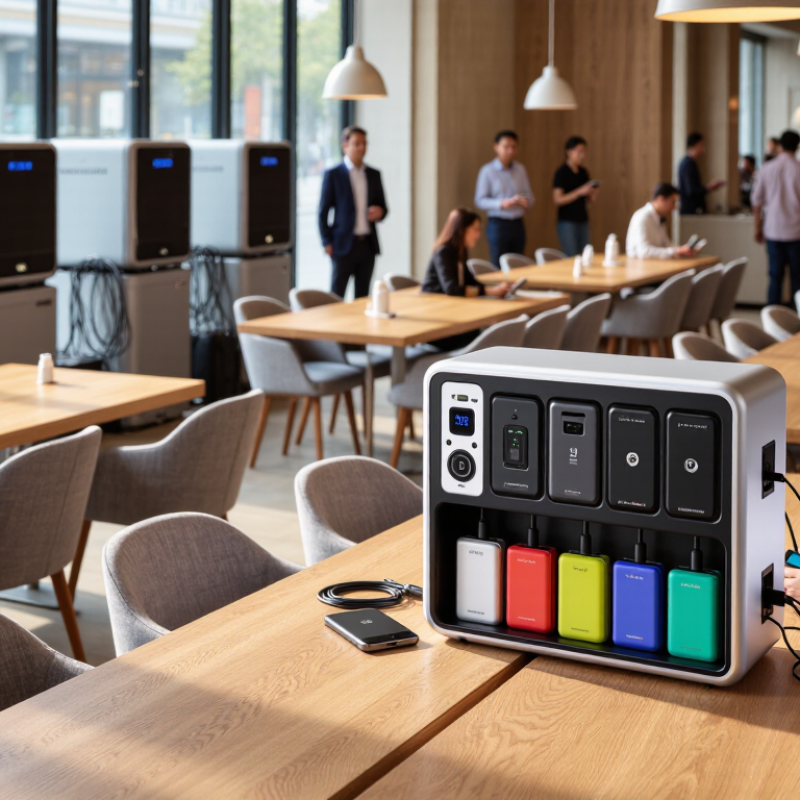
A power bank rental business solution combines shared charging stations, portable battery inventory, rental software, and day-to-day operations. Customers scan a code, unlock a charged unit, and return it to a compatible station. The operator manages station placement, battery availability, payments, maintenance, and support. In practice, it is a local service network, not just hardware. A busy café entrance or transit waiting area can be more useful than a large station in a quiet corner.
GSMA’s The Mobile Economy 2024 estimated 5.6 billion unique mobile subscribers worldwide at the end of 2023. That indicates a broad mobile-device user base, but it does not prove local demand for rentals. Operators still need to test foot traffic, dwell time, charging access, and willingness to pay. Track rentals per station and battery turnaround, not downloads alone. The weak point is often misplaced equipment. It happens.
Tips: Start with a small pilot. Place stations where people pause, then review usage weekly. Check charging speed, battery condition, and return rates. Keep spare units ready; one empty station can quickly frustrate customers. Don’t assume high foot traffic means high rentals.
How Do Rental Stations and Apps Work Together?
A rental station and its app work best as one connected service. The station stores charged power banks, releases them when a rental begins, and records returns. The app helps customers find nearby stations, check availability, and start a rental by scanning a code. Clear status updates matter. A map that shows a full station when every slot is empty quickly loses trust.
Behind the scenes, station data should update the app regularly. When someone takes a power bank, the available count changes; when they return it, the system records the new location and charging status. Payment details and rental timers also need to match. This coordination can be harder than it looks, especially when a station temporarily loses its internet connection. A delayed update may confuse users, so offline behavior deserves real testing.
Tips: Test a rental from both sides: borrow a unit, return it, then check the app. Keep instructions readable beside the scanner. Show clear steps for unavailable slots or delayed updates. Small gaps matter. No system is flawless, and planning for the awkward cases can make the service feel more dependable.
Which Features Matter Most in a 2026 Rental Platform?
A strong 2026 power bank rental platform should show what is happening at each station, not just total rentals. Operators need live counts of available batteries, charging status, and device health. A map can help staff spot an empty kiosk before commuters arrive. Clear alerts for low stock or connection failures save time during busy hours. Small details matter.
Renting should take only a few clear steps. Customers need to see the price, rental period, and return options before confirming. Support for common payment methods helps reduce checkout friction. For operators, a dashboard should make refunds, rental records, and station settings easy to find. Access controls and careful handling of customer data also build trust. These features are less visible, but costly to overlook.
Useful reporting goes beyond download counts. Look for rental completion rates, peak hours, repeat use, and frequent device issues. Such data can guide battery placement and maintenance schedules. A platform should also support routine software updates and practical staff workflows. Yet more charts do not automatically mean better decisions. Some reports may be confusing, and local testing is still needed. Reliability is often measured in ordinary moments: a charged battery, a working checkout, and a return that registers correctly.
How Can Businesses Deploy and Operate a Rental Network?
2026 Top Power Bank Rental Business Solutions?
A reliable rental network begins with choosing locations where people actually need a charge. Check foot traffic, seating, nearby outlets, and how long visitors stay. A café, transit hub, or event venue may suit different station sizes. Start with a small pilot and track rentals before expanding. Keep stations visible, reachable, and away from crowded walkways.
Tips: Place clear instructions beside the station. Show rental fees and return steps before checkout. Test the process with a first-time user.
Daily operations need simple routines. Staff can check battery levels, clean returned units, and report damaged cables during opening rounds. Use network data to identify empty stations and recurring faults. Set alerts for low inventory, but verify them in person; software can miss a loose connection. Explain deposits, rental periods, and support options in plain language. Protect account and payment data, and collect only what operations require. Some locations will underperform, even with good foot traffic. Review the pilot honestly, adjust station placement, and document what staff find difficult.
How Should You Compare Power Bank Rental Providers?
When comparing power bank rental providers, look beyond the number of stations they promise. Check whether their coverage includes the places your customers actually visit, such as entrances, food courts, or waiting areas. Ask for recent uptime records and a clear explanation of how faults are reported. A station that looks polished but stays empty is not useful.
Compare the full operating cost, including installation, payment processing, maintenance, and replacement batteries. Ask how battery health is checked and what happens when a unit fails during a busy evening. Test the customer journey yourself: scan the code, review the displayed price, and confirm the return process is easy to understand. The cheapest offer may leave important service details unclear. I would still verify those details in writing; a friendly sales call is not a service guarantee.
Tips: Request a small pilot before expanding. Photograph station locations and record stock levels at different times of day. Check how quickly support responds to a test issue. Small gaps matter. A provider may have strong equipment, yet local operations can be inconsistent. That is worth checking.