

Choosing the China Best Excavator Tilt Coupler for Sale means looking beyond price and advertised tilt range. The right Excavator Tilt Coupler should match the excavator’s operating weight, pin dimensions, hydraulic flow, and working pressure. A mismatch can cause poor movement, slow response, or unnecessary stress on the attachment. Small details matter.
A composite industry-specialist voice, Daniel Reed, sums up the selection principle: “A coupler is only a good fit when its geometry, hydraulics, and locking system match the machine and the job.” Treat that as practical guidance, not a sourced quotation from a real person. Buyers should request dimensional drawings, material specifications, test records, and clear details about the locking system. Ask how the coupler performs during grading, trenching, and work on uneven ground. Confirm what support and replacement parts the supplier can provide. A polished product photo cannot answer those questions.
This guide outlines the features, compatibility checks, and supplier questions worth reviewing before purchase. It also considers how a tilt coupler may improve access around pipes, foundations, and tight site edges. No attachment is perfect. That is worth admitting. Real performance depends on the machine, operator, maintenance, and job conditions, so compare documented specifications rather than relying on broad promises. Buyers in China and overseas should verify each model against their own excavator and intended tasks before placing an order.
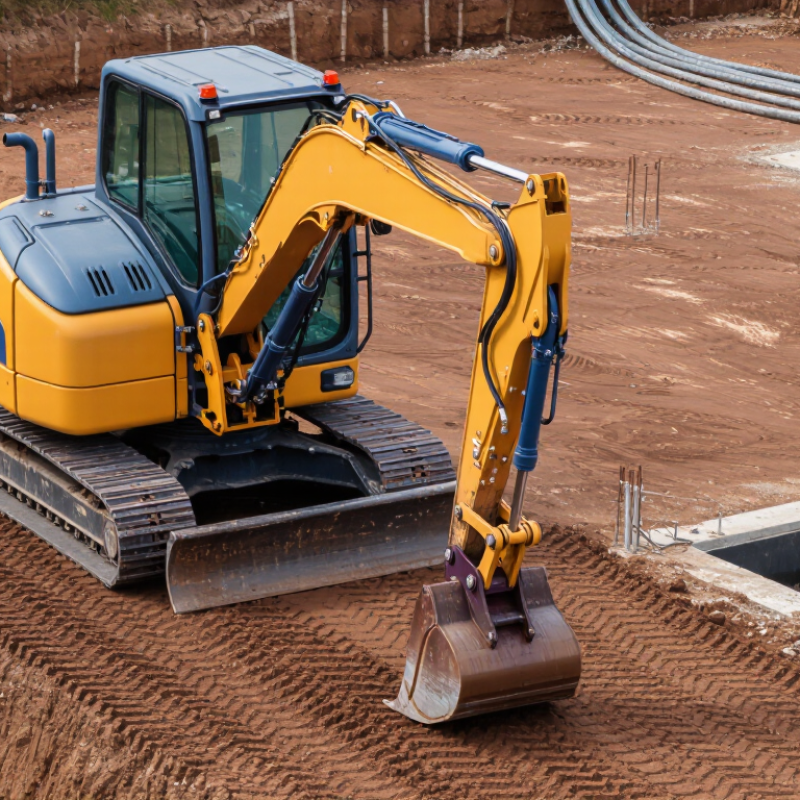
An excavator tilt coupler is an attachment fitted between the machine’s arm and a bucket or other compatible tool. It lets the attachment tilt to either side, adding angle control without repositioning the entire excavator. Small changes matter. On a sloped trench, for example, an operator can adjust the bucket edge to follow the ground while the tracks remain on firmer, more level soil.
This movement can help with ditch shaping, grading around obstacles, and trimming banks. The coupler’s role is not to increase digging force; it changes the working angle and can reduce repeated machine repositioning. Some models use hydraulic power, while others rely on mechanical adjustment. Compatibility depends on the excavator’s weight class, pin dimensions, hydraulic connections, and the tool being used. Fit should be checked against the machine and attachment specifications.
A tilted bucket can still leave an uneven surface if the operator moves too quickly. It takes practice. Before work, inspect the locking mechanism, pins, and hydraulic hoses for wear or leaks, and confirm the attachment is secured. Tilt also changes load position, so lifting capacity may differ from a straight-mounted setup. The coupler offers useful flexibility, but it is not a substitute for careful operation or correct equipment matching.

A tilt coupler lets an excavator bucket work at an angle without turning the whole machine. The operator can tilt the bucket to trim a sloped bank, shape a drainage ditch, or clear soil beside a wall. On a tight site, that means fewer repositioning moves and a steadier working position. Small changes matter. The bucket edge can follow the ground more closely, leaving less hand finishing for the crew. Hydraulic models respond through cab controls, but the actual tilt range varies by design. Check the attachment’s specifications before planning a cut.
McKinsey Global Institute’s 2017 construction report estimated that construction productivity grew about 1% annually over the prior two decades, compared with 2.8% for the global economy. That figure does not prove a tilt coupler raises productivity. It does show why reducing rework deserves attention. A clean angled pass can help, though poor visibility or hurried control can still leave an uneven surface. I would not treat the coupler as a shortcut. Operators need practice, compatible buckets, and clear limits for the machine and attachment. On soft ground, even a precise tilt can disturb the edge. Check the finish, then adjust.
A tilt coupler helps an excavator angle buckets or grading beams without repositioning the machine. Common coupler designs include pin-grabber, wedge-lock, and direct-pin types. Their names can vary by region, so check the actual interface. Measure pin diameter, pin-center distance, and dipper-arm width. A close visual match is not enough.
Compatibility also depends on excavator weight, hydraulic flow, and attachment mass. ISO 13031:2016, Earth-moving machinery—Quick couplers—Safety, addresses secure attachment and unintended release hazards. Treat it as a safety reference, not a substitute for machine-specific measurements. Before ordering, compare the coupler’s approved machine range with the excavator manual and confirm any hydraulic requirements. Small details matter. A heavier tilt unit can reduce usable lift capacity, especially with a bucket extended over the side. In practice, pin dimensions are easy to overlook; I would verify them twice, even when a supplier’s chart appears clear. Some machines also need different hoses or control settings, so installation should be checked by a qualified technician.
When comparing excavator tilt couplers for sale, match the coupler to the machine and the attachment. Check pin diameter, pin-center distance, machine weight, and hydraulic flow and pressure. Confirm the permitted tilt range and whether the locking system suits your work. Ask for written specifications and a clear compatibility list. A low price means little if the coupler fits poorly.
Installation needs care. Park on firm, level ground, lower the attachment, shut down the machine, and relieve hydraulic pressure before connecting hoses. Follow the supplied instructions, then inspect pins, retainers, fittings, and hose routing. Keep hoses clear of pinch points. Test the lock with the attachment close to the ground, and verify engagement using the machine’s approved procedure. Small leaks matter.
Operate slowly at first. Tilt movements can shift the load and change the excavator’s balance, especially on slopes or soft soil. Keep people outside the work area, avoid exceeding rated capacity, and never work beneath a suspended attachment. Recheck the coupler after initial use and inspect it regularly for cracks, loose fasteners, or worn locking parts. Even a careful checklist can miss a loose fitting. Stop and investigate any unusual movement or sound. Follow the machine and coupler manuals; do not rely on guesswork.

We have over 30 years of experience in designing complete hydraulic systems, repairs and distribution of fluid power equipment and parts.
FOLLOW US ON :
Address:
4020 SE 45th CT.
Ocala, FL 34480
Phone No:
Email:
sales@cunninghamfluidpower.com