2026 Best Food Wrapping Paper for Sustainable Packaging Solutions?
As the world increasingly shifts toward sustainability, the demand for eco-friendly products rises. Food wrapping paper plays a crucial role in this transition. Consumers are becoming more aware of their environmental impact and seeking sustainable packaging solutions. This awareness drives innovation in the food industry.
Many food wrapping papers now come from recycled, biodegradable, or compostable materials. These options reduce landfill waste and promote a circular economy. However, some products still lack effectiveness in keeping food fresh. The balance between sustainability and functionality requires scrutiny.
It's essential to explore the best food wrapping papers for 2026. Not all products meet the same standards of quality or environmental responsibility. By examining the latest developments, we can understand what works and what needs improvement. The journey towards truly sustainable food wrapping paper is filled with challenges. Yet, it also offers opportunities for growth and innovation.
The Importance of Sustainable Packaging in the Food Industry
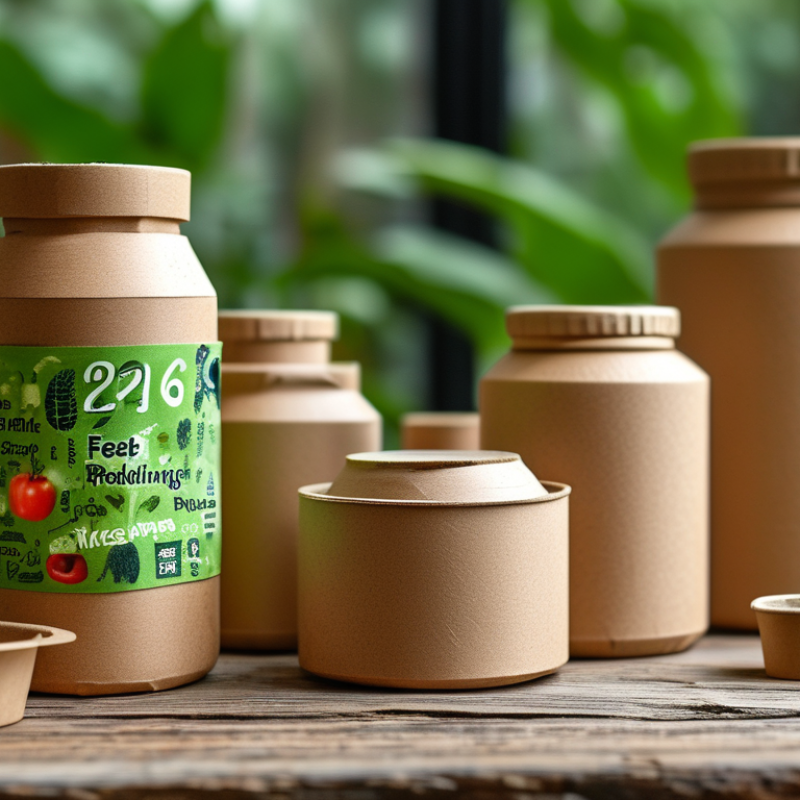
Sustainable packaging is vital in the food industry. The rise in plastic waste has led to severe environmental problems. Consumers are increasingly aware of the impact of packaging on nature. They prefer brands that adopt eco-friendly solutions. This shift pushes companies to innovate.
Food wrapping paper made from renewable resources can reduce waste. Options like recycled paper and plant-based materials are becoming popular. These alternatives not only help the environment but also appeal to health-conscious consumers. However, many companies still struggle with the transition. There is a lack of awareness about available sustainable materials.
Finding the right balance is challenging. Cost, availability, and functionality often interfere with the desire to go green. Not all sustainable options perform well under various conditions. Some may not protect food adequately or may be less durable. Understanding these trade-offs is essential for businesses. They must weigh sustainability against practicality for long-term success.
2026 Best Food Wrapping Paper for Sustainable Packaging Solutions
| Material Type | Biodegradability | Recyclability | Source | Certifications | Thickness (microns) |
| Kraft Paper | Yes | Yes | Recycled wood pulp | FSC Certified | 70-100 |
| Bee's Wrap | Yes | No | Organic cotton | GOTS Certified | 90 |
| Compostable Film | Yes | Yes | PLA derived from corn | BPI Certified | 30-50 |
| Mushroom Packaging | Yes | Yes | Agricultural waste | ASTM Certified | Varies |
| Plant-Based Plastic | Yes | Yes | Sugarcane | ISO Certified | 50-80 |
Key Features of Eco-Friendly Food Wrapping Paper
When considering sustainable food wrapping paper, eco-friendly materials make a significant impact. These materials often include biodegradable and compostable options. They decompose much faster than traditional plastic wraps. A variety of renewable resources, like plant fibers, can also enhance sustainability.
Another key feature is the absence of harmful chemicals. Eco-friendly wraps are often free from BPA and other toxins. This ensures safety when wrapping food. Additionally, these papers can offer excellent moisture retention. They keep food fresher for longer. It’s a win-win for both the planet and your meals.
While these sustainable papers are beneficial, accessibility can be a challenge. Not everyone has easy access to eco-friendly products. Cost can also be a concern for some consumers. This highlights a need for more awareness and education about sustainable choices. However, with a continued focus on innovation, the future of food wrapping looks promising.
Top Materials Used for Sustainable Food Wrapping Paper
In the quest for sustainable packaging, the materials used for food wrapping paper play a crucial role. Traditional plastics often end up in landfills. Sustainable options can reduce waste significantly. One popular material is compostable paper. It breaks down easily and adds nutrients back to the soil. This offers a solution that feels good for both consumers and the environment.
Another innovative choice is beeswax wraps. They are reusable and biodegradable. Made from cotton infused with beeswax, they provide a natural barrier against moisture. Yet, they do require care to maintain their longevity. Potential users should weigh the benefits against the need for upkeep.
With growing awareness, consumers are becoming more conscious of their choices. They seek alternatives that align with their values. It’s essential to research and understand the sourcing of materials. Transparent information helps consumers make informed decisions. While progress is being made, further development is needed in the industry. Continuous improvement in material science will lead to even better options in the future.
Innovative Brands Leading the Way in Sustainable Packaging
As the demand for sustainable packaging rises, innovative brands are stepping up to meet this need. These brands focus on creating food wrapping solutions that minimize environmental impact while maintaining usability. Their products often feature biodegradable materials and recyclable options. This shift benefits both customers and our planet.
Implementing sustainable practices in packaging can feel overwhelming. Start by researching materials used in your food wrap. Look for options made from plant-based resources. These materials often break down more easily than traditional plastics. Additionally, ensure the packaging is both effective and user-friendly, as convenience is key for consumer adoption.
Consider experimenting with reusable wraps. They can replace single-use options in various applications. These alternatives may offer a workaround for some challenges. Remember that every small change contributes to a larger impact. Sustainability is a journey, and adjustments take time. Transitioning may not be perfect, but it opens conversations about our consumption habits.
Consumer Trends and Preferences in Food Packaging Choices
As consumer awareness grows, trends in food packaging are changing. Many people want eco-friendly options. They seek wrapping materials that align with their values. Sustainable food packaging is no longer a niche market; it’s a demand.
When choosing wrapping paper, people often consider material origin. Recyclable and biodegradable materials are highly preferred. Consumers value transparency about sourcing. They want to know if the materials are truly sustainable. However, some consumers feel overwhelmed by choices. Not all products are clearly labeled, leading to confusion.
While many support sustainable practices, not everyone follows through. Budget constraints can impact decisions. It’s vital to educate consumers about benefits. Clear, accessible information can drive better choices. Emphasizing the minimal environmental impact of certain options can motivate change. Finding a balance between cost and eco-friendliness remains a challenge.