Best Materials for Restroom Stall Walls in 2026?
As we look ahead to 2026, the importance of high-quality Restroom Stall Walls cannot be overlooked. Choosing the right materials is essential for durability and hygiene. Restroom stall walls must withstand heavy use and frequent cleaning. A blend of aesthetics and functionality is also crucial.
Today's options range from traditional plastic to modern composite materials. Some choices excel in durability but may lack visual appeal. Others, while stylish, might not stand the test of time. It’s a balancing act, and this dilemma requires careful consideration.
Inaccessible restrooms can lead to poor user experiences. The challenge lies in selecting materials that not only look good but also perform well over years of wear. There’s always room for improvement. The quest for the best restroom stall walls continues as innovations advance.
Overview of Restroom Stall Wall Material Options for 2026
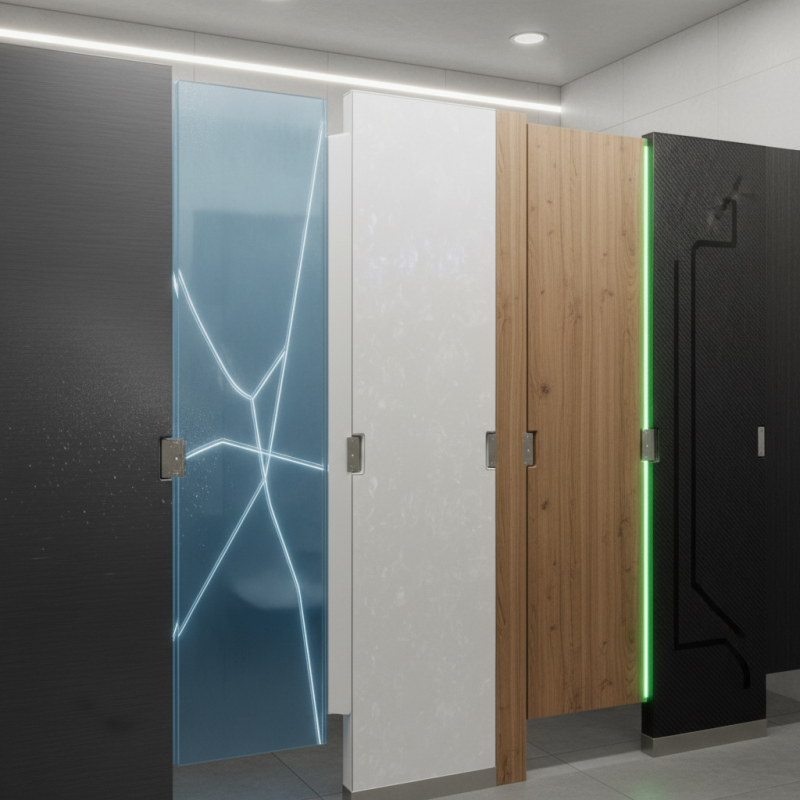
When designing restroom stalls for 2026, material choice plays a vital role. Facilities must consider durability, maintenance, and aesthetics. Popular materials include stainless steel, solid plastic, and laminate. Each material has unique characteristics that can impact user experience.
Stainless steel offers a sleek look but may require more maintenance to keep it free from scratches. Solid plastic is incredibly durable and resistant to moisture. However, it can be limited in color options. Laminate provides a variety of designs but might show wear quicker than other materials. Choosing the right material requires balancing aesthetics and practicality.
Environmental considerations are important, too. Many facilities aim for eco-friendly materials but may overlook some aspects. For instance, recycled materials can be sustainable but might lack durability. It’s crucial to reflect on these trade-offs while prioritizing user comfort and restroom longevity.
Durability and Maintenance Considerations for Restroom Stall Materials
When considering materials for restroom stall walls in 2026, durability and maintenance play crucial roles. The best materials should withstand heavy use and resist moisture and wear. Stainless steel offers a sleek, modern look and is highly durable. However, it can scratch easily, leading to maintenance concerns. Reinforced plastic and acrylic are lightweight and resistant to damage. But they may not last as long in high-traffic situations.
Tip: Always evaluate the foot traffic when selecting materials. For high-usage areas, choose materials that can endure constant wear. Frequent cleaning can be a challenge with some finishes.
Another option is porcelain-enameled steel, which is attractive and easy to clean. Still, it can chip or crack, demanding attention that some facilities may overlook. Failing to address damage quickly can escalate maintenance needs, leading to higher costs.
Tip: Regular inspections can help identify issues early. A proactive approach saves time and money in the long run. Keep in mind, your choice should balance aesthetics and practicality effectively.
Cost-Effectiveness of Different Materials Used in Restroom Stalls
When considering restroom stall wall materials, cost-effectiveness remains a top priority. According to a recent report from the Facilities Management Association, budget constraints can significantly influence material selection. Fiberglass reinforced panels (FRP) are often praised for their durability and resistance to moisture. However, they can range from $40 to $60 per panel, which may not suit every budget.
In contrast, stainless steel offers a sleek appearance and is easy to clean. The initial cost can be high, around $100 per panel, but maintenance costs tend to be lower over time. Industry reports indicate that stainless steel stalls can last over 20 years, making them a wise long-term investment. However, this material does scratch and may show wear over time, needing frequent polishing.
Another option is high-pressure laminate (HPL). Priced between $30 to $50 per panel, HPL provides a wide variety of designs and colors. Yet, it is less durable compared to FRP or stainless steel. HPL can chip and peel, especially in high-traffic areas. The choice ultimately hinges on balancing aesthetics with practical maintenance needs and upfront costs.
Best Materials for Restroom Stall Walls in 2026? - Cost-Effectiveness of Different Materials Used in Restroom Stalls
| Material Type | Cost per Square Foot | Durability (Years) | Maintenance Cost per Year | Water Resistance (1-10) | Eco-Friendly Rating (1-10) |
| High-Pressure Laminate | $30 | 10 | $50 | 9 | 7 |
| Steel | $40 | 15 | $75 | 8 | 6 |
| Fiberglass Reinforced Plastic | $35 | 20 | $40 | 10 | 5 |
| Plastic Composite | $25 | 12 | $30 | 7 | 8 |
| Natural Wood | $50 | 8 | $60 | 6 | 9 |
Aesthetics and Design Trends in Restroom Stall Wall Materials for 2026
In 2026, restroom stall wall materials are evolving. The focus is on aesthetics and design trends that enhance user experience. Reports indicate that 70% of consumers prefer visually appealing environments. Natural materials like wood and stone are trending. They provide an organic feel that resonates with modern design sensibilities.
Sustainable options are also gaining traction. Recycled materials are not just eco-friendly; they can be stylish too. A recent study shows that 40% of architects prioritize sustainability in their projects. Those choices reflect a growing awareness of environmental impact. However, finding the right balance between durability and design can be challenging. Some sustainable options struggle with wear over time.
Color schemes matter significantly. Soft, neutral colors contribute to a calming atmosphere. Bright hues, on the other hand, create energy and vibrance. However, choosing the wrong color can detract from overall design harmony. Many facilities grapple with these choices, often leading to dissatisfaction. Engaging with design professionals can mitigate these issues, ensuring that restroom spaces are both functional and visually stunning.
Sustainability and Environmental Impact of Stall Wall Materials
The choice of materials for restroom stall walls in 2026 emphasizes sustainability and environmental impact. Eco-friendly options are gaining traction. Recycled materials, such as aluminum and plastic, are popular. These choices reduce landfill waste and promote circular economies. They often come with certifications proving their green credentials.
Natural materials like bamboo also present alternatives. Bamboo grows quickly and absorbs carbon. This makes it a strong contender for sustainable design. However, questions arise about durability and maintenance. Will it withstand heavy use? Further exploration is needed.
Another option is fiberglass-reinforced plastic. It’s lightweight and resistant to moisture. This could lead to fewer replacements over time. Yet, the production process raises concerns about energy consumption and emissions. Balancing practicality with sustainability can be challenging. Finding the ideal material involves careful consideration and ongoing reflection.