2026 Best Nylon Insulated Terminal Types and Uses Explained?
In the world of electrical connections, the Nylon Insulated Terminal stands out as a vital component. These terminals provide a reliable, safe method for attaching wires and ensuring strong connections. Their nylon insulation offers superior protection against moisture and environmental factors. But not every terminal fits every project.
Understanding the various types of Nylon Insulated Terminals is essential. Each type has unique capabilities, making them suited for specific uses. For instance, some are better for automotive applications, while others excel in household wiring. This nuance can sometimes be overlooked, leading to potential issues.
Choosing the right terminal requires careful consideration. One must think about the specific application and the conditions involved. Mistakes in selection can result in unreliable connections or even safety hazards. Therefore, this guide aims to clarify the best types of Nylon Insulated Terminals and their appropriate uses, helping you make informed decisions.
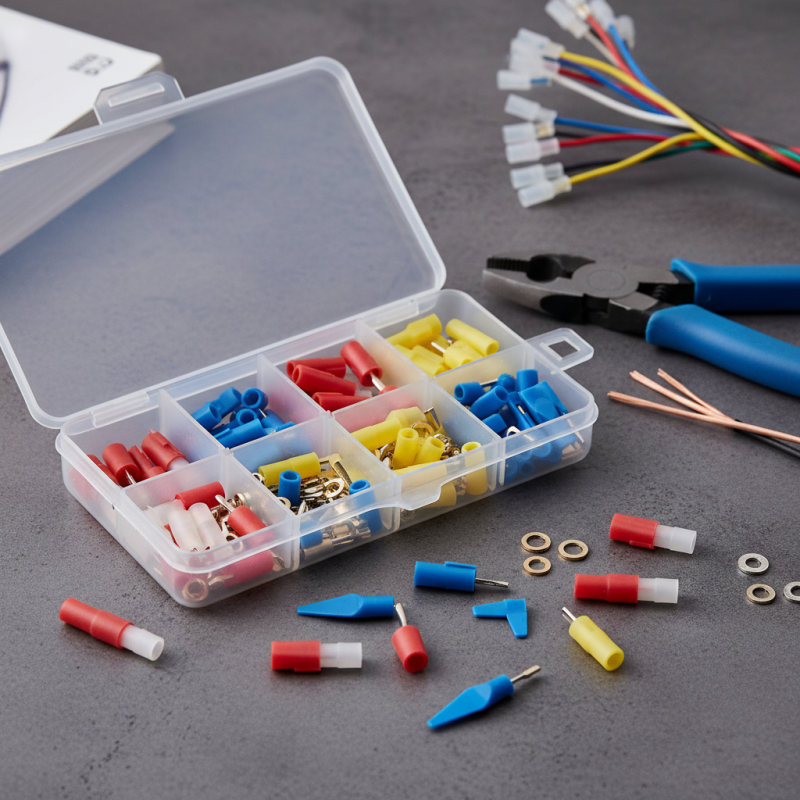
Types of Nylon Insulated Terminals and Their Applications
Nylon insulated terminals are popular in various industries. They provide excellent electrical insulation and protection against moisture. Common types include butt connectors, ring terminals, and spade terminals.
Butt connectors are used to join two wires end-to-end. They come in different sizes to accommodate various wire gauges. Usually, they are crimped for a strong connection.
Ring terminals offer a secure attachment to a stud or a screw. They ensure a constant contact point, which is crucial in many applications.
Spade terminals are quick to connect and disconnect, making them ideal for temporary setups.
Each type has specific applications. For instance, butt connectors are often found in automotive wiring. Ring terminals are frequently used in battery connections. Spade terminals suit control panels. However, choosing the right type can sometimes be a challenge. Not all applications require the same level of insulation or mechanical strength. It's crucial to analyze the environment and the electrical load carefully. Reflecting on these aspects can improve your wiring projects significantly.
Advantages of Using Nylon Insulated Terminals
Nylon insulated terminals are a popular choice in various electrical applications. Their advantages are significant. One of the main benefits is durability. These terminals can resist heat and corrosion. They also protect connections from moisture. This feature is essential in outdoor environments.
Using nylon insulated terminals can enhance safety. The insulation prevents accidental short circuits. Additionally, these terminals ensure reliable connections. This reliability is critical in high-current situations. It’s important to select the correct size and type for optimal performance.
Tips: Always check compatibility with your wires. A snug fit can prevent loosening. Also, consider temperature ratings during selection. They should match your application needs. Regular checks can reveal wear and prevent failures.
Choosing the Right Nylon Insulated Terminal for Your Project
When selecting the right nylon insulated terminal for your project, consider the specific requirements. The environment where the terminal will be used is crucial. For example, marine applications demand corrosion-resistant features due to exposure to saltwater. In contrast, automotive or industrial settings might prioritize heat resistance and mechanical durability.
Different types of nylon insulated terminals are available, including butt connectors and fork terminals. Each type serves distinct purposes. Butt connectors are ideal for joining wires end-to-end. Fork terminals allow easy disconnection, which is handy for maintenance. It's important to match these choices to your electrical demands.
One common mistake is not accounting for wire gauge compatibility. Mismatched gauges can lead to heat buildup and potential failures. Always double-check the specifications. Choosing the wrong type can result in frustration down the line. Take your time to evaluate your needs and understand the options available. Adjustments might be needed along the way, yielding a more reliable outcome.
2026 Best Nylon Insulated Terminal Types and Uses Explained
| Terminal Type | Wire Gauge Compatibility | Color Code | Insulation Type | Common Applications |
| Female Disconnect | 22-10 AWG | Red | Nylon | Automotive, HVAC Systems |
| Male Disconnect | 22-10 AWG | Blue | Nylon | Appliances, Power Tools |
| Ring Terminal | 16-12 AWG | Yellow | Nylon | Battery Connections, Grounding |
| Spade Terminal | 18-14 AWG | Green | Nylon | Lighting Fixtures, Circuit Boards |
| Butt Connector | 20-14 AWG | Gray | Nylon | Wire Splicing, Electronics |
Installation Tips for Nylon Insulated Terminals
When working with nylon insulated terminals, proper installation is crucial for optimal performance. Start by selecting the right size terminal for your wire. Make sure your wire gauge matches the terminal. A tight fit is important to ensure good conductivity. If the terminal is too loose, it could lead to poor connections.
Stripping the wire too much is a common mistake. You only need about 3/8 inch to 1/2 inch of bare wire exposed. Stripping more can cause frayed wires, leading to electrical issues. After stripping, it’s helpful to twist the strands together. This strengthens the connection and prevents wires from splaying out.
Using the right crimping tool is equally important. A poorly crimped terminal can fail under stress. Take your time to ensure you achieve a good crimp. Sometimes, it can feel like the tool isn’t working right. However, it often comes down to technique rather than the tool itself. It’s always worth double-checking your connections before powering everything up. Mistakes happen, and they can lead to frustrating results.
Maintenance and Troubleshooting of Nylon Insulated Terminals
Nylon insulated terminals are popular in electrical applications due to their durability and insulation properties. However, maintaining and troubleshooting these terminals can be crucial for safety and efficiency. According to a 2022 report by the Electrical Safety Foundation International, nearly 30% of electrical failures stem from connection issues. Many of these issues are linked to poor maintenance practices.
One common problem is corrosion. Corrosion often occurs when terminals are exposed to moisture. It can lead to increased resistance, heat buildup, or eventual failure. Regular inspections can help identify early signs of corrosion. Cleaning terminals with isopropyl alcohol or a soft brush may extend their lifespan. It's a step often overlooked but is essential for maintaining optimal performance.
Additionally, improper crimping can lead to loose connections. Tight connections are crucial for preventing power loss. The American National Standards Institute recommends following specific crimping guidelines to avoid this issue. Users must ensure tools are calibrated and inspected regularly. Neglecting this can result in high repair costs and downtime. Regular training can improve the skills of technicians, but complacency remains a significant challenge. Ultimately, a proactive approach to maintenance and troubleshooting can prevent most failures, keeping systems running smoothly.