

How to Buy the Best Checkweigher Online from China?

Buying a Checkweigher Online from China can give manufacturers access to broad equipment choices and competitive factory pricing. Yet the right machine is not simply the one with the lowest quotation. It must match your product, packaging, production speed, and weighing range. A unit designed for small cartons may struggle with wet, irregular items. Small details matter.

Before requesting quotes, record your product’s weight range, dimensions, target line speed, and available floor space. Ask suppliers to explain their stated accuracy under conditions similar to yours. Request a live video test using your actual product, if practical. Watch how items enter the weighing belt, how readings are displayed, and how rejected products are separated. A polished brochure cannot prove consistent performance.

Compare the frame material, belt design, touchscreen controls, data-export options, and reject mechanism. Confirm what the price includes, such as installation guidance, spare parts, warranty terms, and shipping arrangements. Ask for the machine’s inspection records and operating manual before placing an order. Clear answers are useful evidence. Vague promises are not.

A lower price can be attractive, but a delayed reply or unclear specification deserves attention. I would not treat one successful sample test as proof of long-term reliability; production conditions change. Check references where available, verify the supplier’s business details, and keep agreed specifications in writing. The best purchase is a machine that fits your line and comes with dependable support, not just a persuasive sales page.
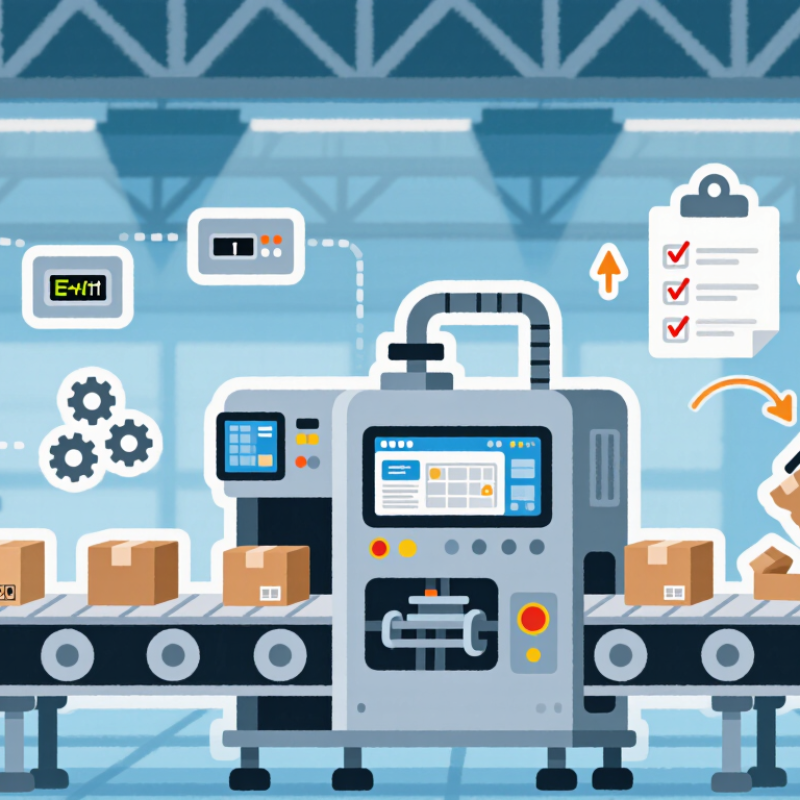
How to Buy the Best Checkweigher Online from China?

Define Your Checkweighing Requirements and Production Needs

Before comparing online checkweighers, map the real production task. Record each product’s target weight, package dimensions, line speed, and expected weight variation. A small sachet moving quickly needs a different setup from a large tray on a slower line. Note whether products arrive wet, dusty, or unevenly spaced; these conditions can affect weighing stability. Measure the available conveyor space, too. A machine that fits the specification sheet may still be awkward beside an existing sealer.

Get actual line data. Count packages per minute during normal and peak shifts, then confirm how the system should handle underweight and overweight products. Ask suppliers about belt width, weighing range, stated accuracy, calibration procedures, and reject-device timing. Request test results using your own product and packaging where possible. FAO’s 2023 report estimated that 13.2% of food was lost between harvest and retail in 2021; it is not a checkweigher performance measure, but it underscores why reducing avoidable product loss matters. Small details count. Honestly, production teams sometimes overlook cleaning time and operator training when defining needs. Include both in your purchase criteria, along with installation support and spare-parts availability. A clear requirements sheet makes online quotations easier to compare, even when supplier specifications use different test conditions.

Research and Compare Chinese Checkweigher Suppliers

Researching Chinese checkweigher suppliers starts with defining the actual job. Record product weight, package dimensions, required line speed, and the acceptable weighing tolerance. A machine suited to small sachets may not handle tall cartons reliably. Share representative products and ask suppliers to explain how they would test them. Ask for sample test results, calibration procedures, and details about the reject mechanism. Small details matter. A clear quotation should list the configuration, delivery scope, installation support, and recommended spare parts.

Compare suppliers against the same written specification, not just the quoted price. Check whether their technical team can discuss weighing accuracy, conveyor setup, and inspection routines in specific terms. Ask for a live video demonstration using products similar to yours, and request references you can contact. Ask how faults are diagnosed across time zones and how quickly common parts can be shipped. A polished quotation is not proof. I would leave some room for doubt, especially when performance promises lack test conditions. Compare service commitments carefully; they can be harder to verify than machine dimensions.

How to Buy the Best Checkweigher Online from China? - Research and Compare Chinese Checkweigher Suppliers

Comparison Dimension Practical Benchmark or Data What to Verify with Each Supplier
Product and pack details Checkweigher capacity and performance depend on the product, package dimensions, target weight, and production conditions. Provide sample products, minimum and maximum weights, pack dimensions, and required line speed. Ask for a written suitability assessment.
Weighing range Available ranges vary by model; compact systems may handle small packages, while other configurations are designed for heavier products. Compare the quoted range with your actual product weights and confirm that the proposed load cell and conveyor configuration suit the application.
Accuracy and repeatability There is no single accuracy figure that applies to every checkweigher. Results depend on product, speed, vibration, and test method. Request test results using your product or a representative sample, at the proposed operating speed. Confirm the sample size and calculation method.
Line speed Rated throughput is application-specific; product spacing, package stability, and reject handling can affect achievable speed. Ask for demonstrated throughput with your product format, including the reject mechanism and any upstream or downstream equipment constraints.
Construction and washdown Stainless steel grades such as 304 and 316 are commonly used in food-processing equipment. The appropriate grade and protection level depend on the environment. Confirm material grades, ingress-protection rating, cleaning method, and whether belts and product-contact parts can be removed for cleaning.
Reject system and traceability Reject devices may include air blast, pusher, or drop-flap designs; the suitable type depends on product size, weight, and line layout. Check reject confirmation, reject-bin access, alarm functions, data export, and compatibility with your production or quality system.
Compliance documents Applicable requirements depend on the destination market and machine configuration. A certificate should match the exact equipment being offered. Request relevant declarations, test reports, manuals, and electrical drawings. Verify document scope and destination-market requirements independently.
Factory testing and acceptance A factory acceptance test can document operation before shipment; test conditions should reflect the agreed specification. Agree on test samples, speed, accuracy criteria, reject checks, and acceptance records before placing the order. Request dated test videos or a live demonstration.
Delivery and landed cost The total cost can include the machine, options, packing, freight, insurance, import duties, taxes, and local installation. Compare quotations on the same scope and delivery term. Confirm production lead time, packing dimensions, shipping method, and who handles customs clearance.
Warranty and support Warranty coverage, spare-parts availability, remote support, and on-site service vary by supplier and contract. Get the warranty period and exclusions in writing. Ask about response times, spare-parts lists, troubleshooting support, and training options.

Note: These are general purchasing benchmarks, not verified quotations or performance claims for any specific supplier. Confirm all specifications and test results for your product and destination market before ordering.

Evaluate Machine Specifications, Compliance, and Customization

When buying a checkweigher online from China, compare specifications against your actual production line, not just the headline speed. Check the product weight range, belt width, conveyor height, and stated accuracy. Ask how accuracy was tested, including the product type, line speed, and operating conditions. A small, sealed pouch may behave differently from a tall bottle. Request a test video using a sample close to your own product. Also confirm the reject method, such as a pusher or air blast, and how rejected items are collected.

Review compliance documents before paying. Ask for applicable certificates, electrical drawings, user manuals, and calibration or inspection records. Confirm that the machine’s electrical supply and materials suit your facility and intended use. Requirements vary by destination and application, so verify documents with your own compliance team. Clear paperwork matters. A polished specification sheet is not proof by itself; I would want supporting records, even if that means slowing the purchase.

Tips: Send the supplier your line layout, product dimensions, target speed, and preferred communication interface. Get a written list of included customization, such as conveyor height, language, voltage, or data output. Ask what changes affect delivery time, spare parts, and warranty coverage. Small details are easy to miss. I would double-check them.

How to Buy the Best Checkweigher Online from China?

Compare ingress-protection code levels when evaluating a checkweigher for its intended cleaning environment. In an IP rating, the first digit indicates protection against solid objects and dust; the second indicates protection against water.

These figures are the code digits defined by IEC 60529, not a performance score. For example, IP6X is dust-tight, while the water tests represented by IPX5, IPX6, and IPX9 differ. Confirm the required rating for the complete machine and your cleaning process, and check any other applicable compliance and customization requirements with the supplier.

Verify Supplier Reliability, Testing, and Warranty Terms

How to Buy the Best Checkweigher Online from China?

Verify Supplier Reliability, Testing, and Warranty Terms

Before paying a deposit, check whether the supplier can show a functioning production site, not only a polished showroom. Ask for recent installation references, a live video call, and the name of a technical contact who can answer process questions. Compare the company details on its quotation, contract, and payment instructions. Videos are not proof. A supplier may have a good machine but weak after-sales support, so ask how spare parts are stocked and shipped.

Testing should match your product and line conditions. Send representative samples, then request a recorded test at your target speed and weight range. Review repeatability, weighing tolerance, and reject-device operation; ask for the actual results, not just a claim of accuracy. Confirm how the machine behaves with uneven product spacing or vibration nearby. A remote demonstration helps, but it cannot fully reproduce your factory floor. That limitation is easy to overlook.

Get warranty terms in writing before ordering. Check when coverage begins, which parts are included, and who pays for shipping, labor, or on-site service. Ask for response-time expectations and procedures for remote troubleshooting. “One-year warranty” is too vague on its own. Details matter. I would also keep a small allowance for setup adjustments; even careful planning can miss a detail in a new production line.

Confirm Total Cost, Shipping, Installation, and After-Sales Support

When buying a checkweigher from China, compare the landed cost, not just the machine price. Request an itemized quotation covering export packing, freight, insurance, import charges, installation, and operator training. The World Bank’s 2023 Logistics Performance Index report estimates an average of 44 days for goods to move from an exporter’s warehouse to an importer’s warehouse. Build schedule room for transit, customs processing, and possible delays. A low quote can become expensive if commissioning or spare parts are excluded.

Before ordering, send the supplier your product range, target line speed, belt width, and available power details. Ask for a factory acceptance test using sample products, with recorded weighing results and reject timing. Confirm whether remote setup is included, how quickly a technician can respond, and which wear parts are locally available. UNCTAD’s Review of Maritime Transport 2024 notes that shipping carries over 80% of world trade by volume, so clear packing lists and shipment tracking matter. Small details count.

Tips: Put delivery terms, installation scope, warranty duration, response times, and spare-part lead times in the purchase contract. Ask for a video of the machine running your product. I would still allow extra commissioning time; real production conditions can differ from a clean factory test.

Share by: