How to Choose the Best Electric Resistance Heating Pipe?
Choosing the right Electric Resistance Heating Pipe can be challenging. These pipes are essential for various heating applications, from residential to industrial use. Understanding the unique features of each option is important.
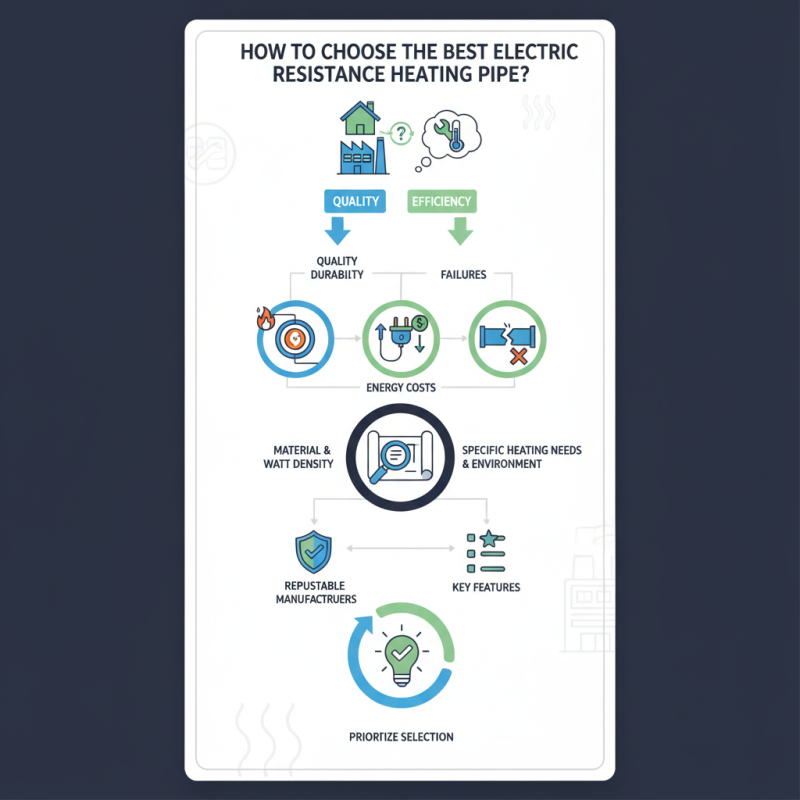
Quality, durability, and efficiency should guide your decision. Pay attention to the material and watt density. This impacts how quickly and effectively heat is delivered. A poorly chosen pipe may lead to uneven heating, higher energy costs, or even failures.
Consider your specific heating needs and environment. Lower quality pipes often do not provide the reliability you need. It's vital to prioritize reputable manufacturers known for their expertise. Make a list of key features that matter most to you. This approach can clarify what to prioritize during your selection process.
Understanding Electric Resistance Heating Pipes and Their Applications
Electric resistance heating pipes offer a unique solution for various heating needs. These pipes convert electrical energy directly into heat, making them efficient for certain applications. According to a report by the U.S. Department of Energy, electric resistance heating can be up to 100% efficient at the point of use. This efficiency often appeals to residential and commercial sectors looking to reduce energy waste.
The versatility of electric resistance heating pipes is evident in their applications. They are commonly used in radiant floor heating systems, aquaculture, and industrial processes. The International Energy Agency highlights that the demand for such heating systems is increasing due to their energy efficiency and ease of installation. However, the reliance on electricity can be a double-edged sword; peaks in energy prices can affect the overall cost-effectiveness of these systems.
Understanding the installation environment is crucial. Improper installation can lead to heat loss and inefficiencies. Buyers should consider factors such as insulation and system compatibility. A National Renewable Energy Laboratory study suggests that upgrading insulation can enhance the overall effectiveness of heating systems. Seeking professional advice can often mitigate these issues, ensuring better performance and reliability.
Factors to Consider When Choosing Electric Resistance Heating Pipes
When selecting electric resistance heating pipes, several critical factors must be considered. One significant aspect is the material type. Common materials include copper and aluminum. Copper offers excellent thermal conductivity, while aluminum is lightweight. According to industry reports, the thermal efficiency of copper can be up to 95%. However, aluminum is often preferred for its corrosion resistance.
Another aspect is the pipe diameter. A larger diameter allows for more heat transfer but may decrease the thermal response time. It's essential to find a balance between thermal efficiency and responsiveness. For instance, a study by the Thermal Engineering Association indicates that a 2-inch diameter pipe can distribute heat more evenly compared to a 1-inch pipe.
Tips for choosing the right pipe include assessing the heating needs of individual spaces and consulting with a heating specialist. Consider local climate conditions; areas with harsher winters may require more robust systems. Lastly, look into insulation options, as proper insulation can enhance energy efficiency and performance, reducing overall costs.
Material Selection for Optimal Heat Efficiency in Heating Pipes
Material selection is crucial for effective electric resistance heating pipes. The right materials influence heat transfer efficiency and overall performance. Copper and aluminum are common choices due to their excellent thermal conductivity. According to industry reports, copper can provide thermal conductivity exceeding 390 W/m·K, making it an ideal option for quick heat dissipation. Aluminum, while slightly less efficient, offers a good balance of cost and performance, especially in environments with moderate temperature requirements.
Insulation materials also play a significant role in maintaining heat efficiency. Polyurethane and fiberglass are popular choices because they minimize heat loss. Studies indicate that proper insulation can improve efficiency by up to 30%. This is particularly critical in industrial applications where even minor heat losses can lead to significant energy costs. However, some users neglect thermal barriers, resulting in inefficient heating solutions.
Choosing inappropriate combinations of materials can lead to issues. For example, less conductive materials may require more energy to achieve intended warmth. This consideration is often overlooked. An expert report suggests that about 15% of heating systems fail to meet efficiency standards due to poor material choices. Therefore, informed selection based on both conductivity and insulation can enhance performance and reduce energy waste. Thoughtful decision-making is essential for optimal outcomes in electric resistance heating systems.
Evaluating Power Output and Temperature Control Features
When selecting an electric resistance heating pipe, power output and temperature control features are crucial. The power output determines how effectively your system can heat a space. Higher wattage often means quicker heating, but it is essential to assess your specific needs. A powerful option may not always be the best fit for small areas.
Temperature control features play a vital role in achieving desired comfort levels. Look for models with adjustable settings. Some systems include digital thermostats for precise temperature regulation. This capability can lead to energy savings. You might find yourself wondering if you have sufficient control options. Reflect on how often you will use the heating pipe. If frequent adjustments are necessary, prioritize models with user-friendly controls.
Tips: Consider the insulation of your space. Poor insulation can lead to wasted energy. A heating pipe may need to work harder to maintain temperatures. Regularly check for drafts or gaps. These can undermine heating efficiency. Thoughtful choices today can significantly enhance your comfort tomorrow.
How to Choose the Best Electric Resistance Heating Pipe? - Evaluating Power Output and Temperature Control Features
| Model | Power Output (W) | Temperature Range (°C) | Control Type | Material |
| Model A | 3000 | 10 - 90 | Thermostatic | Stainless Steel |
| Model B | 5000 | 30 - 120 | Digital Control | Copper |
| Model C | 2000 | 0 - 100 | Analog Control | Aluminum |
| Model D | 3500 | 15 - 85 | Smart Control | Carbon Steel |
| Model E | 4500 | 20 - 110 | Remote Control | Mild Steel |
Safety Considerations and Installation Tips for Heating Pipes
When choosing an electric resistance heating pipe, safety should be a top priority. According to a report from the National Fire Protection Association (NFPA), heating equipment is a leading cause of home fires, emphasizing the need for proper installation and maintenance. Ensure pipes are installed away from flammable materials and that they meet the necessary safety standards. Certified heating pipes should have appropriate insulation to minimize heat loss and prevent potential burns.
Installation requires careful consideration of placement and accessibility. Pipes should be positioned for ease of maintenance, ideally avoiding areas prone to moisture. Properly sealing joints and securing connections prevents leaks and enhances efficiency. The American Society of Heating, Refrigerating, and Air-Conditioning Engineers (ASHRAE) suggests that improper installation can reduce system efficiency by up to 25%. Regular inspection of the heating system is vital. Signs of wear, damage, or corrosion should be addressed immediately to maintain safety and function.
A key factor is adhering to local building codes. These codes are designed to ensure safety and reliability. Always consult a qualified professional when unsure about installation requirements. Ignoring guidelines can lead to not only inefficient heating but also significant safety hazards. Thoughtful choices and careful installation go a long way in creating a safe and effective heating solution.