How to Choose the Best Riding Mower Rake for Your Lawn?
Choosing the right Riding Mower Rake can greatly enhance your lawn care routine. A quality rake not only saves you time but also ensures that your lawn remains healthy and beautiful. With various options available, it’s crucial to identify what suits your specific needs.
When selecting a Riding Mower Rake, consider your lawn size and terrain. Larger areas may require a more durable rake, while smaller spaces can benefit from a compact design. The material of the rake also matters; heavy-duty steel can withstand wear and tear better than plastic options.
Investing in the right rake is essential for efficient lawn maintenance. Poor choices can lead to disappointment. Take your time, do research, and consult experts if needed. Finding the best fit makes all the difference.
Understanding the Different Types of Riding Mower Rakes Available
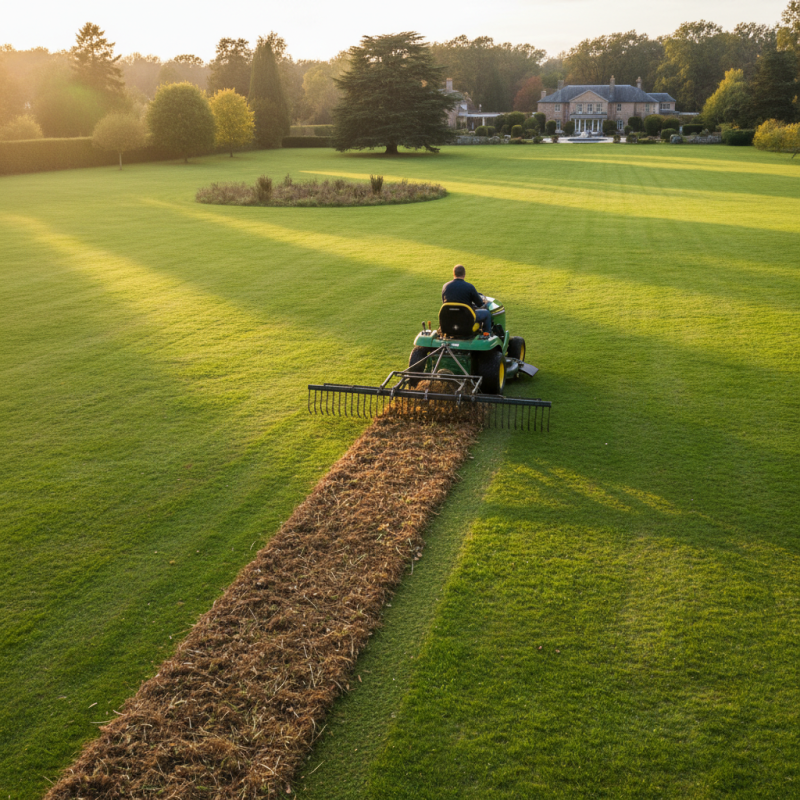
When selecting a riding mower rake, it’s essential to understand the types available. Riding mower rakes typically fall into two categories: tow-behind rakes and front-mounted rakes. Tow-behind rakes are versatile. They attach easily to your mower and can cover large areas. These rakes can be great for collecting leaves or grass clippings. However, they may not always provide the detail for tight spaces.
On the other hand, front-mounted rakes are designed for precision and control. They can reach areas that tow-behind models might miss. Their closer proximity allows for better maneuverability around obstacles like trees and flower beds. However, this type might require more effort to attach and detach. It's important to assess your lawn's layout and maintenance needs before making a decision.
Many users find it challenging to choose, as each type has its benefits and drawbacks. Rakes can vary in width and design, impacting how efficiently they handle debris. Testing rakes at your local equipment rental can shed light on what works best for you. Remember, the perfect rake for one lawn might not suit another. Evaluating your specific needs is crucial to making an informed choice.
Comparison of Riding Mower Rakes by Types
Key Features to Consider When Selecting a Riding Mower Rake
When selecting a riding mower rake, several key features must be considered. One important aspect is the rake's width. A wider rake can cover more ground, reducing the time and effort needed for yard work. According to industry reports, rakes with a width of 42 inches or more are popular among homeowners with larger lawns. This size allows for efficient collection of grass clippings, leaves, and debris.
Another essential feature is the rake's material. Steel rakes tend to be more durable than plastic ones. However, they are heavier, which might be a concern for some users. Lightweight aluminum rakes are easier to maneuver, yet they may not withstand heavy use over time. A balance between weight and durability is crucial for optimal performance.
Adjustability is also a factor worth considering. Many rakes offer adjustable heights to accommodate different types of terrain. This feature is particularly useful in uneven lawns. Users should ensure that the rake can adapt to their specific lawn conditions. Not all rakes excel in this area, making it vital to assess options carefully before purchasing. A comprehensive understanding of these features can lead to more informed decisions.
Assessing Lawn Size and Terrain for Optimal Rake Performance
When choosing a riding mower rake, understanding your lawn's size and terrain is crucial. A recent report from the National Gardening Association indicates that 60% of homeowners underestimate the influence of these factors on rake performance. For small yards, a compact rake can efficiently collect debris without overwhelming your space. Larger lawns call for heavier-duty rakes capable of handling more significant amounts of leaves and clippings.
Consider the terrain as well. If your lawn features slopes or uneven ground, a flexible rake design is essential. Rakes with adjustable heights can navigate these challenges better. According to the Turfgrass Council, homeowners with hilly landscapes should prioritize rakes that offer stability and ease of use. While many rakes claim to handle all terrains, not every model will perform well on your specific landscape. Testing a few options in your yard can provide insights into what works best.
Frequent maintenance is another factor to reflect on. A well-maintained rake can significantly improve lawn care efficiency. A 2022 report from Lawn Care Innovations showed that regular upkeep can extend the rake's lifespan by 30%. It’s easy to overlook, but a simple cleaning can prevent debris buildup. Knowing your lawn's unique characteristics can guide you toward the right rake choice for optimal results.
How to Choose the Best Riding Mower Rake for Your Lawn? - Assessing Lawn Size and Terrain for Optimal Rake Performance
| Lawn Size (Acres) | Terrain Type | Recommended Rake Type | Weight (lbs) | Price ($) |
| 0.5 | Flat | Tow-Behind Rake | 70 | 150 |
| 1 | Hilly | Self-Propelled Rake | 90 | 300 |
| 2 | Uneven | Pull-Behind Rake | 110 | 250 |
| 3 | Flat | Heavy-Duty Rake | 130 | 400 |
| 5 | Level with Obstacles | Flexible Rake | 140 | 500 |
Comparing Price and Brand Reputation in Riding Mower Rake Choices
When selecting a riding mower rake, price and brand reputation play crucial roles. Understanding market trends helps in making informed choices. Professional landscaping reports indicate that buyers often prioritize reliability over cost. Surprisingly, the most expensive tools are not always the best. Many users discover great value in mid-range products that perform efficiently. Tips: Always assess the warranty offered by the manufacturer. A longer warranty often reflects confidence in the product's durability.
Brand reputation can be gauged through online reviews and user feedback. A survey showed that up to 70% of consumers consider brand trustworthiness before purchasing. Less-known brands can sometimes surprise buyers with innovative features, but their reliability may be questionable.
Tips: Compare multiple reviews and explore user experiences thoroughly. Look for consistency in feedback to determine the actual performance of the products.
Choosing a rake involves balancing cost and quality. Some users find it challenging to weigh price against features. After all, investing wisely in equipment is vital for maintaining a healthy lawn. Consider what aspects matter most to you, and stay open-minded about emerging brands.
Tips for Maintaining Your Riding Mower Rake for Longevity
Maintaining your riding mower rake is crucial for its longevity. Regular cleaning is important. After each use, remove debris and grass clippings. This helps prevent rust and build-up that can affect performance. Inspect the rake for damages. Look for bent tines or loose connections. Addressing these issues early can save you time and money.
Sharpen the tines periodically. Sharp tines are more effective at collecting debris. Dull tines can damage the lawn and hinder performance. Lubricate moving parts regularly. This will reduce friction and wear. It’s easy to overlook this step, but it is essential for smooth operation.
Store the rake properly. Keep it in a dry place when not in use. Avoid leaving it exposed to the elements. Regular checks can identify problems before they escalate. Even a small oversight can lead to costly repairs. Pay attention to your equipment, and it will serve you well for years.