How to Choose the Best Wall Cladding for Your Project?
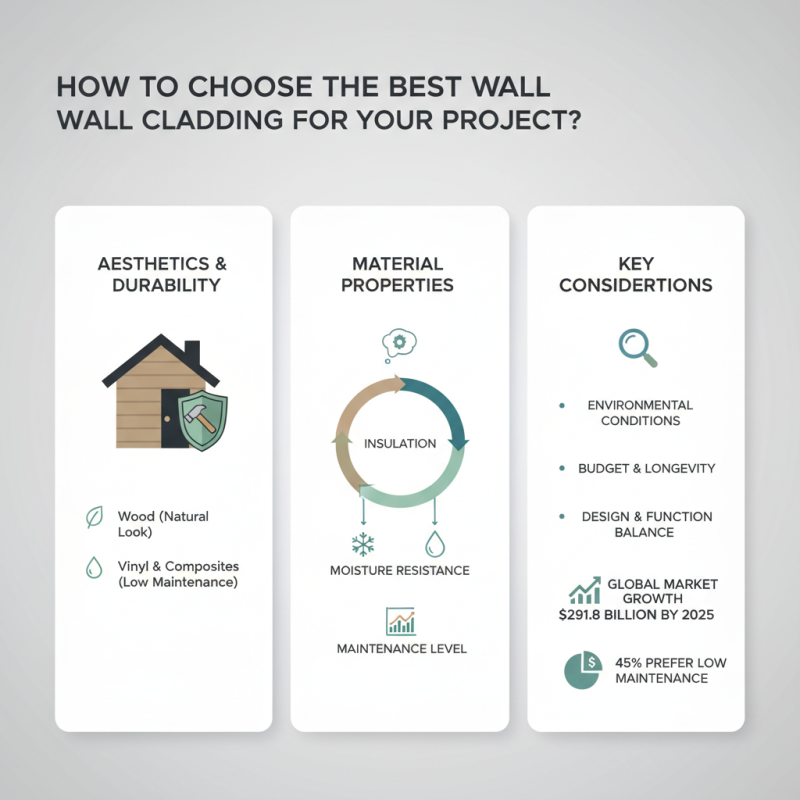
When embarking on a construction or renovation project, choosing the right Wall Cladding is crucial. Wall Cladding significantly enhances the aesthetics and durability of buildings. According to a report by Grand View Research, the global wall cladding market is projected to reach $291.8 billion by 2025. This growth highlights the increasing importance of selecting suitable materials for durability and design.
Consideration must be given to materials such as wood, vinyl, and composite options. These materials not only differ in appearance but also in maintenance and insulation properties. For instance, wood can provide a natural look but may require more upkeep compared to vinyl, which is known for its low maintenance. A 2022 study by ResearchAndMarkets indicated that 45% of homeowners prioritize low maintenance options when selecting cladding.
The choice of Wall Cladding often reflects both aesthetic desires and practical needs. However, the wrong selection can lead to issues like moisture damage or insulation inefficiency. It's essential to invest time in research, understanding how various cladding materials respond to environmental conditions. Balancing form with function is key to a successful project.
Types of Wall Cladding Materials to Consider for Your Project
When selecting wall cladding materials, several options come to mind. Wood offers warmth and aesthetic charm. It can create a cozy environment. However, it requires regular maintenance to prevent rot and pests. Heavy rain or humidity may damage it over time.
Brick is another popular choice. It’s durable and can withstand harsh weather. Brick provides excellent insulation but can be costly. Installation requires skilled professionals who understand its nuances. Furthermore, choosing the right color or texture can be challenging as it impacts the overall look.
For a modern touch, metal cladding, such as aluminum or steel, has gained traction. It is lightweight and resistant to corrosion. Yet, metal can dent easily and might not be suited for every environment. Composite materials also deserve consideration. They combine different substances for enhanced durability. The visual appeal varies, which requires careful selection. Each material choice has its strengths and weaknesses, making the decision personal and reflective of one's specific needs.
Factors to Evaluate When Choosing Wall Cladding for Your Needs
When choosing wall cladding, various factors play a critical role. The first consideration is the material. Options vary from wood to metal, each bringing unique textures and appearances. Reflect on the durability required for your project. A wooden finish might look warm but needs more maintenance than brick or stone.
Another important factor is the climate. In humid areas, moisture-resistant materials are ideal. They prevent rot and decay over time. Aesthetic value also matters. Cladding enhances the look of a property, so consider your design goals. How do you want the space to feel? Light and airy? Or more solid and grounded?
Lastly, think about the installation process. Some materials are easier to work with than others. If you're not a seasoned builder, complex materials may lead to errors. Recognize your skill level when making a decision. It's essential to reflect on your choices rather than just following trends. Balancing functionality and style is key to a successful wall cladding project.
Cost Analysis: Budgeting for Different Wall Cladding Options
When budgeting for wall cladding options, it's crucial to assess the costs involved. The price of materials can vary widely. For instance, wood cladding may be cheaper upfront but can incur higher maintenance costs over time. Conversely, stone veneer is a durable option, yet it typically requires a higher initial investment. Understanding these trade-offs is key to making an informed decision.
Consider consulting with a contractor to get accurate estimates. They can provide insights on the total costs, including installation. Don't overlook potential hidden expenses, such as structural reinforcements or additional insulation. Always account for these factors to avoid surprises later.
Tips: Research the longevity of materials. Some cheaper options may require frequent replacements. A slightly higher initial cost could lead to savings in the long run. Also, think about the style of your project. Aesthetic choices can influence pricing, so defining your design needs early is beneficial. Balancing cost and quality is essential for a successful project.
Maintenance Requirements of Various Wall Cladding Materials
When it comes to wall cladding, maintenance is crucial for longevity. Different materials have varying upkeep needs. For instance, wood cladding often requires regular staining and sealing. According to a report from the National Wood Flooring Association, untreated wood can decay within five years. This can lead to costly repairs and replacements.
On the other hand, metal cladding presents a different challenge. While it is resistant to pests, it can be susceptible to corrosion. A study from the National Association of Home Builders indicates that metal surfaces should be painted every five to ten years to avoid rust. This is an often-overlooked factor in maintenance planning.
In contrast, stone and brick cladding are more durable. However, they still need attention. Regular cleaning can prevent algae and moss growth. In urban areas, pollutants can accelerate deterioration, requiring more frequent maintenance. Homeowners must consider these factors when selecting materials. Choosing the right cladding material involves understanding these maintenance requirements. Doing so ensures a beautiful and lasting exterior.
Aesthetic Considerations and Design Trends in Wall Cladding Choices
Choosing wall cladding often starts with aesthetics. Different materials and finishes can greatly influence the space’s atmosphere. Stone cladding offers a rustic feel, while wood can provide warmth. Metal can bring a modern edge. Each choice speaks volumes about the design intent.
Color plays a crucial role too. Light colors can make a space feel larger and more inviting. In contrast, darker shades may create a cozy, intimate setting. Textures enhance visual interest, as a rough surface can add depth. These elements work together to define the overall style.
Trends shift frequently. Currently, eco-friendly materials are in vogue, reflecting a growing awareness of sustainability. Minimalist designs focus on clean lines and simple finishes. However, navigating these trends can be daunting. It’s essential to choose something that balances personal style with timeless appeal. The right cladding should resonate with the intended purpose of the space. Always reflect on what truly fits.
How to Choose the Best Wall Cladding for Your Project? - Aesthetic Considerations and Design Trends in Wall Cladding Choices
| Material Type | Key Features | Aesthetic Appeal | Cost Range (per sq ft) | Sustainability |
| Wood | Natural warmth, insulated | Rustic and inviting | $5 - $20 | Renewable, but requires maintenance |
| Vinyl | Durable, low maintenance | Variety of colors, mimics wood/metal | $3 - $10 | Recyclable, but not biodegradable |
| Metal | High durability, fire-resistant | Modern and sleek | $6 - $15 | Recyclable, energy-intensive production |
| Stone | Strength and durability | Timeless and natural look | $10 - $30 | Natural, minimal environmental impact |
| Composite | Lightweight, resistant to warping | Variety of finishes possible | $7 - $18 | Often made from recycled materials |