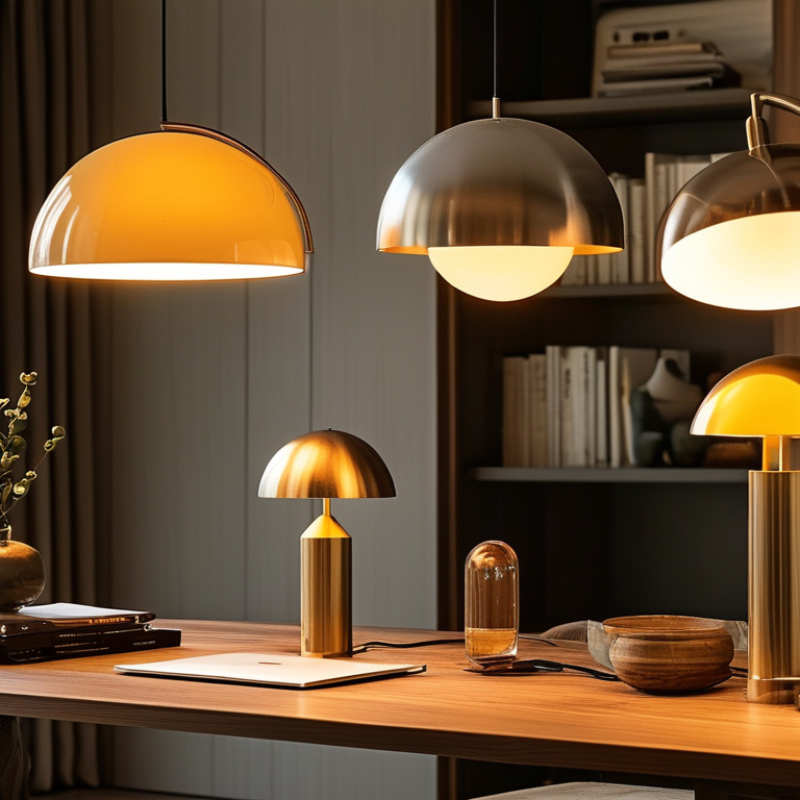
How to Choose Modern Lights for Your Home and Office?
Choosing the right lighting can transform spaces. Modern lights play a pivotal role in enhancing both aesthetics and functionality. Different styles and designs cater to various tastes and needs, making it important to draw from experience and professional insights.
When selecting modern lights, consider the atmosphere you wish to create. Warm lighting can evoke comfort, while cool tones can boost productivity. Be mindful of placement and size; oversized fixtures can overwhelm a small room. It is easy to overlook how light interacts with colors and textures.
Reflecting on your choices is essential. Some may rush to buy trendy fixtures without considering their practical use. Finding the balance between style and function often requires deeper thought. Adopting a thoughtful approach ensures that your modern lights enhance your home or office beautifully and effectively.
Factors to Consider When Choosing Modern Lighting for Your Space
When selecting modern lighting for your home or office, several factors come into play. The purpose of the space greatly influences your choice. A workspace often benefits from bright, focused lighting to enhance productivity. In contrast, cozy, warm lights can create a relaxing atmosphere in a home. Consider how light will interact with your existing decor. A sleek, minimalist design may conflict with an ornate interior, while a bold fixture can become a stunning focal point.
Energy efficiency is another key consideration. LED lights are often favored for their longevity and low energy consumption. However, some shoppers may overlook the upfront cost. Investing in quality lighting can lead to savings over time. Don't forget about adjustability. Fixtures with dimmers or smart features offer versatility. This flexibility allows you to adapt the ambiance according to different activities or moods.
Finally, pay attention to the scale of the lighting. Oversized lights in small rooms can feel overwhelming. Conversely, tiny fixtures can easily be lost in spacious areas. It's essential to reflect on how these elements work together to create balance. Modern lighting is not just functional; it should reflect your personal style and meet your specific needs.
Understanding Different Types of Modern Light Fixtures and their Uses
Modern lighting can transform a space, but choosing the right fixtures is crucial. Different types of lighting serve various purposes. For instance, ambient lighting provides overall illumination, while task lighting focuses on specific areas for work or reading. According to a report from the International Association of Lighting Designers, proper lighting can improve productivity by 20%.
Consider the material and style of light fixtures. Metal, glass, and fabric each lend a unique look. Sleek pendant lights can enhance contemporary kitchens. In contrast, vintage-inspired designs may suit cozy offices. It's essential to ensure fixtures match the overall aesthetic of the space. However, many overlook how color temperature affects mood. Cooler tones can energize, while warmer tones induce relaxation.
When selecting lighting, it’s easy to prioritize aesthetics over functionality. A beautiful fixture might lack the brightness needed for effective work. Furthermore, energy efficiency is critical. The U.S. Department of Energy reports that LED bulbs consume at least 75% less energy. This choice not only reduces costs but also lessens environmental impact. Balancing style and practicality can be challenging but necessary for a well-lit, inviting space.
Importance of Energy Efficiency Ratings in Modern Lighting Choices
When selecting modern lights for your home or office, energy efficiency ratings play a crucial role. According to the U.S. Department of Energy, lighting accounts for approximately 15% of the average household's electricity bill. Choosing energy-efficient lights can significantly reduce this cost. LEDs, for instance, use up to 75% less energy than traditional incandescent bulbs. This is not just a smart choice financially; it's also vital for sustainability.
Understanding energy efficiency ratings can be perplexing. Most modern light bulbs come with labels that indicate their efficiency. Look for bulbs with ENERGY STAR ratings. These products meet strict energy-saving guidelines set by the Environmental Protection Agency. In fact, reports show that using ENERGY STAR certified products can save consumers about $50 a year on energy bills. This is a reminder that each lighting choice impacts both the wallet and the planet.
However, the transition to energy-efficient lighting is not without challenges. Some users find the color temperature of LEDs unappealing. Brightness and warmth vary among products. It's essential to experiment with different options to find what suits your space best. Not every energy-efficient bulb will provide the desired ambiance. The journey to effective lighting requires thoughtful consideration of both function and aesthetics.
Energy Efficiency Ratings of Modern Lighting Types
The Impact of Color Temperature on Ambiance and Productivity in Offices
Color temperature plays a crucial role in setting the right ambiance and enhancing productivity in offices. Research from the American Society of Interior Designers indicates that proper lighting can improve work efficiency by up to 20%. Warmer tones, around 2700K to 3000K, promote a relaxing environment. These shades are ideal for informal spaces where creativity flows.
In contrast, cooler tones, typically between 4000K and 5000K, create a more focused environment. Offices that require concentration and precision, such as design studios or tech firms, benefit from these colors. A study from the International Journal of Environmental Research and Public Health noted that employees exposed to cooler light report higher alertness levels.
Tips for choosing the right lights: Consider the tasks performed in each area. For brainstorming sessions, warmer lighting can inspire creativity. In workspaces demanding high focus, opt for cooler lighting. Also, implement adjustable lighting to cater to varying needs throughout the day. Remember, the right lighting not only boosts mood but also enhances overall work performance.
How to Choose Modern Lights for Your Home and Office?
| Light Type | Color Temperature (K) | Ambiance Effect | Productivity Level |
| Warm White | 2700K - 3000K | Cozy and Inviting | Moderate |
| Neutral White | 3500K - 4100K | Balanced and Natural | High |
| Daylight | 5000K - 6500K | Bright and Energizing | Very High |
| Cool White | 3000K - 4000K | Sharp and Focused | High |
Trends in Modern Lighting Design and Their Influence on Home Aesthetics
Choosing modern lights for your home and office can significantly enhance aesthetics. Trends in modern lighting design fuse functionality with art. Pendant lights, for instance, create a statement in dining areas. Their unique designs can draw attention and add character to your space.
Tips: Experiment with different light temperatures. Warmer tones often create a cozy feeling. Cooler tones can promote focus and productivity. Consider dimmable options for flexibility in ambiance.
Incorporating LED technology is another trend. LEDs are energy-efficient and come in various shapes. They can fit into any space, from sleek office ceilings to ornate living rooms. However, balancing brightness is essential. Overly bright lights can feel harsh and uninviting. Play with layers of light to find what feels right for you.
Choosing fixtures can be challenging. Think about the overall theme of your space. Are you leaning towards minimalism or a more eclectic style? Also, consider your daily routines. This reflection will guide your lighting choices. Finding harmony between form and function is key in modern lighting design.