How to Choose the Right Spider Coupling for Your Needs?
Choosing the right spider coupling for your application is crucial. Many factors come into play, impacting performance and longevity. A spider coupling connects two shafts, allowing for alignment flexibility and vibration dampening.
When selecting a spider coupling, consider load requirements, speed, and environmental conditions. Different materials are available, such as rubber or polyurethane. The type of coupling you choose affects torque transmission and shock absorption. Think about your machinery's specific needs.
It's essential to ask questions during the selection process. Are there specific sizes required? How much maintenance can you manage? While many options exist, finding the perfect fit may take time and reflection. Sometimes, trial and error lead to the best choice. A well-chosen spider coupling can enhance efficiency and durability. Be sure to weigh all your options carefully.
Understanding the Basics of Spider Couplings and Their Functionality
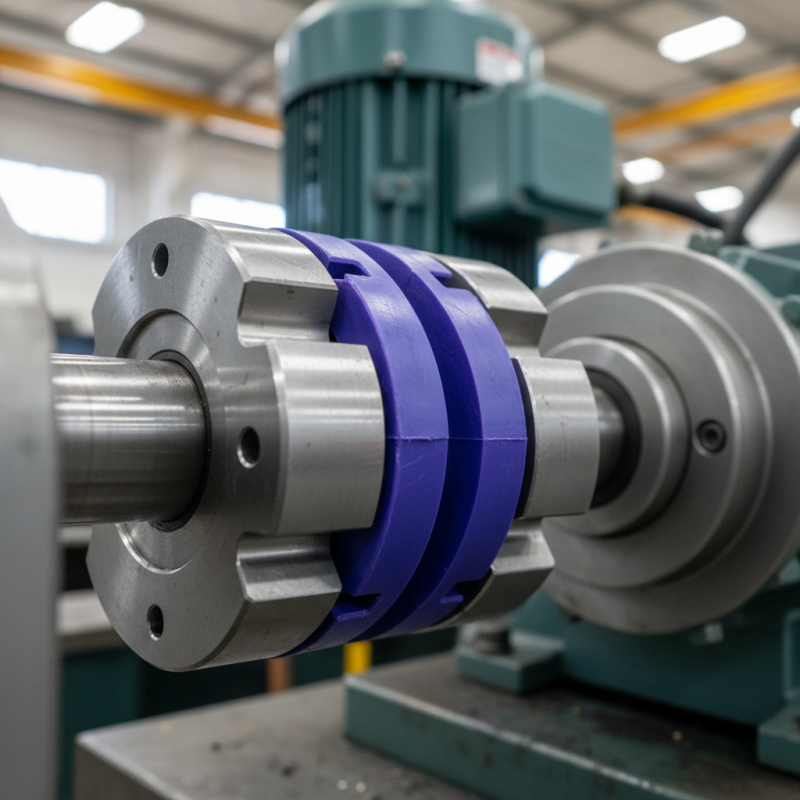
Spider couplings are essential components in power transmission systems. Their primary function is to connect two shafts while compensating for misalignment. These couplings consist of two metal hubs and a flexible spider insert. This design allows for shock absorption and reduces vibration, which is crucial in many applications.
When selecting a spider coupling, consider the torque and speed ratings. Different materials offer various degrees of flexibility and durability. For instance, thermoplastic spiders are less rigid but provide better cushioning. However, they may wear out faster than their metal counterparts. It's important to weigh these factors. Can you compromise on longevity for flexibility?
Installation is another aspect that needs careful thought. Misalignment can lead to premature wear. Using a coupling that fits poorly can cause issues over time. Regular inspections are key to ensuring optimal performance. Don't overlook how environmental conditions affect the coupling too. Factors like temperature and exposure to chemicals can influence your choice.
Identifying Your Application Requirements for Spider Couplings
When choosing a spider coupling, understanding your application requirements is crucial. Spider couplings help in transmitting torque while accommodating misalignment. The right choice depends largely on the specific conditions and needs of the application. According to recent industry reports, around 30% of failures in rotating equipment are linked to coupling misalignment and improper selection.
Consider the operational environment. Is it prone to high temperatures or excessive vibration? Couplings designed for such conditions provide better durability. A study showed that couplings tailored for high-load applications can enhance performance by 25% compared to standard models. They minimize wear and tear, thus extending equipment life.
Next, evaluate the torque requirements. Overestimating torque can lead to unnecessary costs; underestimating it can cause failure. Industry data indicates that accurate torque calculation is essential for maintaining system integrity. It’s not just about the numbers; the type of material matters too. For instance, rubber and polyurethane offer different benefits. Choose wisely to avoid costly mistakes down the line. Make sure your decision aligns with both immediate and future needs.
How to Choose the Right Spider Coupling for Your Needs?
| Application Type | Torque Requirement (Nm) | Speed (RPM) | Misalignment Capability (mm) | Material |
| Electric Motors | 50 - 200 | 1500 - 3000 | 0.5 | Nylon |
| Pumps and Compressors | 100 - 500 | 1000 - 2500 | 1.0 | Polyurethane |
| Conveyor Systems | 75 - 300 | 500 - 1500 | 2.0 | Rubber |
| Fans and Blowers | 30 - 150 | 2000 - 4000 | 0.7 | Aluminum |
| Industrial Machinery | 200 - 1000 | 500 - 2000 | 1.5 | Steel |
Evaluating Material and Design Options for Spider Couplings
When choosing a spider coupling, material selection plays a crucial role. Common materials include rubber, polyurethane, and metal. Each option offers different levels of flexibility and strength. Rubber is often favored for its vibration-damping properties. It absorbs shock and reduces noise. Polyurethane provides excellent wear resistance; it lasts longer under stress. Metal couplings, while durable, may transmit more vibrations than desired. Think about your specific needs. Analyze the environment where the coupling will be used.
Design is equally important. Consider factors such as torque capacity and alignment capabilities. Some spider couplings allow for better misalignment. This feature can prevent premature wear. Others may provide high torque ratings, essential for heavy-duty applications. Assess the operating conditions, including temperature and exposure to chemicals. Sometimes, a design that looks ideal may not perform as expected. Small changes can make a big difference in overall effectiveness.
Take time to compare your options. It's easy to overlook details that matter. Each choice can significantly impact performance and longevity. Understanding these aspects is vital for ensuring your spider coupling won't fail. Reflecting on these choices can lead to better outcomes in the long run.
Assessing Compatibility with Existing Equipment and Systems
When selecting a spider coupling, compatibility with your existing equipment is crucial. Consider the shaft sizes and alignment. Misalignment can lead to premature wear and failure. Measure the diameters of your shafts carefully. Also, evaluate the operating conditions such as temperature and load requirements. These factors significantly affect performance and longevity.
Tips: Always consult technical specifications to ensure a perfect fit. Check the material of the coupling; it should match the environment it operates in. If you're uncertain, a mismatch can lead to issues later.
Additionally, take note of the installation process. Some couplings require special tools or techniques. Ensure your team has the right skills for installation. Review past experiences with similar systems; learn from mistakes. This reflection will help refine your choice. Compatibility ensures efficient operation and minimizes risks.
Tips for Maintaining and Troubleshooting Spider Couplings
Maintaining spider couplings is crucial for optimal performance. Regular inspections can prevent issues. Look for signs of wear. Cracks and deformation may indicate a problem. According to industry studies, 20% of failures in couplings result from improper maintenance. Addressing these signs early can extend the life of the coupling.
Lubrication is another key maintenance practice. Many spider couplings require specific lubricants. Overgreasing can cause damage, while undergreasing increases wear. The right balance must be struck. Interestingly, reports show that up to 30% of users overlook lubrication intervals, leading to premature failures. Using a maintenance checklist can help ensure you don't miss these important tasks.
When troubleshooting, pay attention to unexpected vibrations or noise. These can indicate misalignment or an imbalance in the system. Monitoring these issues promptly can save on costly repairs. Sometimes, a simple adjustment can resolve the problem, but waiting too long may lead to severe damage. Maintaining an open dialogue with team members about coupling health can foster a proactive approach to maintenance.