How to Choose the Best Maize Flour Mill Machine?
Choosing the best Maize Flour Mill Machine is not simply a matter of buying the largest model. The right choice depends on your required daily output, maize quality, available power, budget, and flour specifications. A small village mill serving nearby households has different needs from a commercial plant supplying shops. Fit matters.
Begin with the grain and the finished product. Maize moisture, cleanliness, and kernel size can affect milling performance. Decide whether you need wholemeal flour or a finer, sifted product, since these may require different screens or processing stages. Ask suppliers how their stated capacity was measured. A number from a brochure may not match your actual grain or working schedule.
This guide examines the practical factors behind a sound purchase: capacity, milling mechanism, energy use, maintenance, safety features, and access to spare parts. Look closely at components that wear, such as screens, belts, and bearings. Request a demonstration using maize similar to your own, and check how easily operators can clean and adjust the machine. A careful comparison is useful. Yet no specification sheet can predict every local challenge, and I would treat unusually broad performance claims with caution. The best machine is the one that reliably meets your needs, fits your workspace, and can be maintained without costly delays. A few minutes spent checking service support may matter more than an impressive headline capacity.
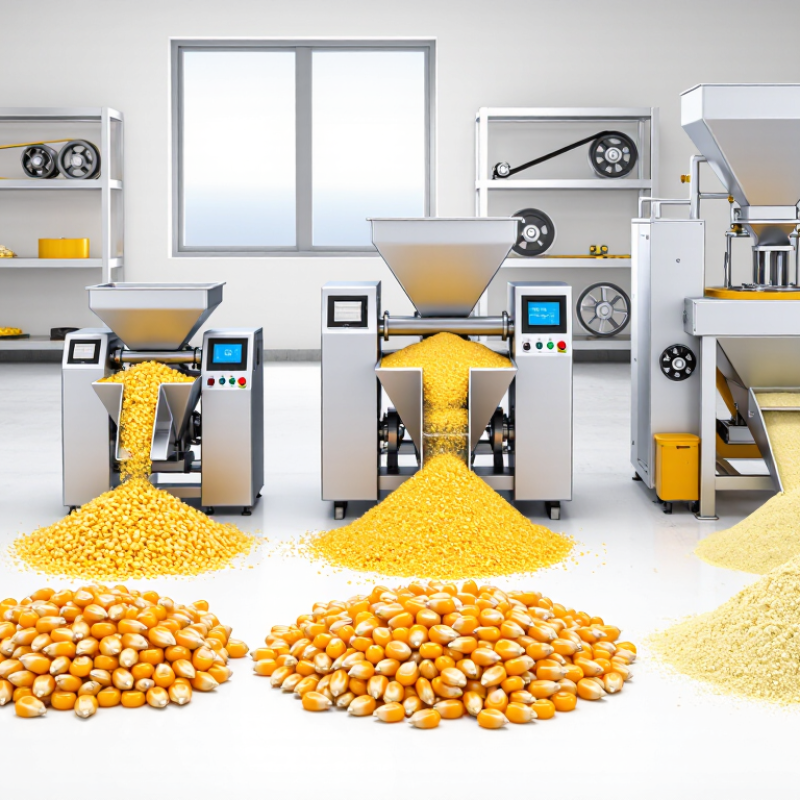
Define Your Maize Flour Production Needs
Before comparing maize flour mill machines, define what the mill must produce each day. Record expected flour output, operating hours, maize supply, and the flour’s intended use. A small mill serving nearby shops may need steady output and simple cleaning; a larger operation may require continuous processing and space for storage. Do not size equipment from peak demand alone. It is easy to overestimate it. Check actual orders and seasonal changes, then allow for downtime and maintenance. A dusty floor, limited power, or uneven grain deliveries can matter as much as the machine’s rated capacity.
USDA’s January 2025 Grain: World Markets and Trade report estimated global maize production at roughly 1.2 billion metric tons for the 2024/25 season. That figure shows the crop’s scale, but it does not tell you how much maize your mill can reliably secure. Estimate daily throughput from local procurement, then ask suppliers to state capacity under clear conditions, including maize moisture and target flour fineness. Also define extraction targets and by-product handling needs. Finer flour may require additional screening or milling passes, which can affect output and energy use. Test a representative grain sample before purchase. A paper specification is useful, but real maize can behave differently.
Compare Mill Types, Capacity, and Flour Output
Choosing a maize flour mill machine starts with the flour you need, not the largest capacity on the specification sheet. Hammer mills suit flexible small-scale processing and can produce different textures by changing the screen. Roller mills offer more controlled, uniform flour, but may need more careful setup and maintenance. Stone mills can provide a traditional texture, though output may be slower. Each type has trade-offs.
Compare rated capacity with your expected daily workload. A machine listed at 500 kilograms per hour may produce less when maize is damp or a fine flour grade is required. Ask how output is measured, then check the screen size, motor power, cleaning method, and ease of replacing wear parts. Fine flour also depends on sieving, not just the mill. Try a sample batch. Results can be surprising.
Tips: Request a test using maize similar to yours. Weigh the flour and bran separately, inspect the texture, and record processing time. Leave room for a slower real-world rate; estimates are not guarantees.
Choosing a maize flour mill: Compare processing capacity with the flour output you need. The chart uses illustrative planning values; estimated flour output assumes a 70% extraction rate. Actual capacity and yield vary with mill design, maize condition, and the desired flour grade.
Check Installation Requirements, Safety, and Maintenance
Before choosing a maize flour mill, measure the available floor space, doorways, and ceiling height. Leave room for grain feeding, flour collection, and safe access to service panels. Check the machine’s power supply, voltage, and phase against the site’s electrical capacity. A qualified electrician should confirm the connection and grounding requirements. Measure twice.
Ask how the mill will be anchored and whether the floor can support its operating weight and vibration. Keep walkways clear, and place flour sacks away from moving parts and hot motor surfaces. Guards should cover belts and rotating components before operation. Keep it dry. Dust buildup can affect visibility and airflow, so plan suitable ventilation and routine cleaning. Follow the manufacturer’s instructions for dust control and protective equipment.
Maintenance should be practical, not just promised. Check how easily staff can inspect screens, tighten fasteners, and replace worn parts. Keep a log of cleaning, unusual noise, and changes in flour texture; these small clues may reveal trouble early. Isolate power before cleaning or servicing, and never remove a guard while the machine is running. A checklist can feel tedious, and people may skip it on busy days. That is a real weakness, so keep the routine short and assign responsibility clearly.
Match Your Budget and Support Needs to a Suitable Machine
A suitable maize flour mill should fit your cash flow and the support available where it will operate. The USDA’s 2024/25 World Agricultural Supply and Demand Estimates put global maize production at about 1.22 billion tonnes, but that scale says little about your own daily demand. Estimate kilograms per hour from local harvest volumes, then check whether the machine can maintain that rate with your maize’s moisture and hardness. Ask for the motor’s power rating, screen prices, and routine maintenance schedule. A low purchase price can hide costly downtime.
Support matters. Ask how quickly a technician can visit, whether operators receive hands-on training, and which spare parts are stocked nearby. Screens, belts, and bearings are small items until production stops. FAO’s 2023 SDG progress report estimated that 13.2% of food was lost between harvest and retail in 2021; this broad supply-chain figure is not a mill-loss rate, but it underscores the value of reliable handling and operations. Compare total costs, including electricity, labor, transport, and service—not just the invoice. Support is not optional. I would still leave room for uncertainty: supplier estimates may not match local maize or power conditions, so request a supervised trial with your own grain before committing.