How to Choose the Best PVC Storage Tank for Your Needs?
Choosing the right PVC storage tank is crucial for effective storage solutions. PVC storage tanks are known for their durability and versatility. However, selecting the best one can be challenging. Many factors come into play.
Consider the size of the tank. Assess your storage needs first. A tank that's too small will lead to frequent refills. A tank that's too large may waste resources. Think about the environment where the tank will be used. Extreme temperatures can affect the tank's integrity.
Material quality is essential. Not all PVC storage tanks are created equal. Look for reputable manufacturers. Ensure they follow industry standards. A poor-quality tank can lead to leaks or failures. Ultimately, the right PVC storage tank is an investment in safety and efficiency. Reflect on your specific needs, and weigh your options carefully.
Understanding PVC Storage Tanks: Types and Applications
PVC storage tanks are essential in various industries. They offer durability and resistance to corrosion. Understanding the different types is crucial in meeting your specific requirements.
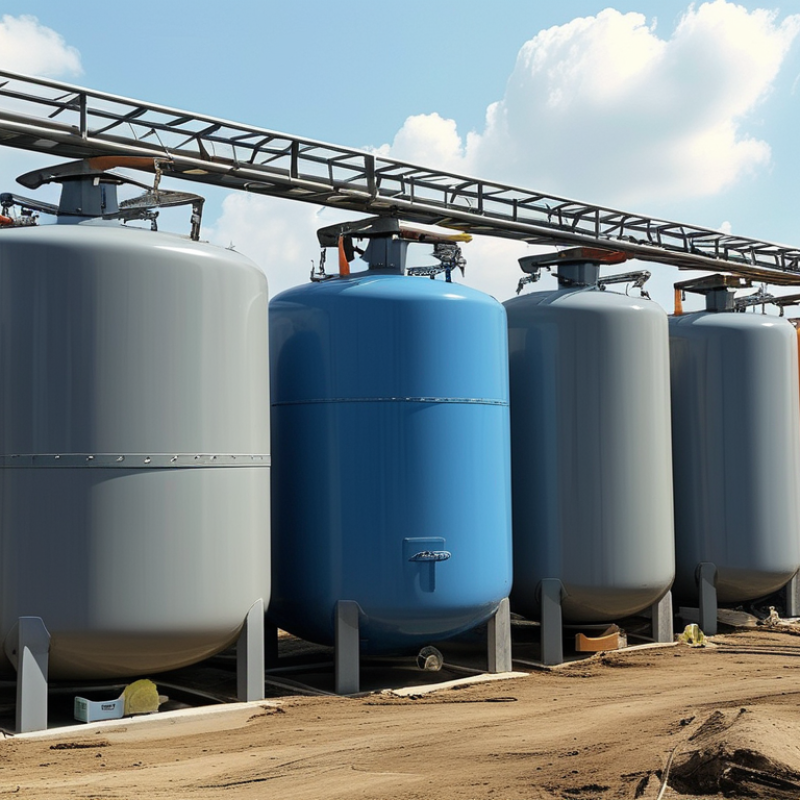
There are several types of PVC storage tanks. Vertical tanks are ideal for saving space. They can hold large volumes and are often used for chemicals. Horizontal tanks, on the other hand, are perfect for smaller areas. They are easy to install and maintain. Each tank type serves distinct applications, such as water storage, wastewater treatment, and chemical processing.
PVC tanks have advantages, but they also come with challenges. One drawback is their sensitivity to extreme temperatures. They can warp under excessive heat, impacting their integrity. Regular inspections are necessary for longevity. Users should evaluate their environment carefully before making a choice. Understanding these factors ensures a better fit for your needs.
Assessing Your Storage Requirements: Size, Capacity, and Compatibility
When choosing a PVC storage tank, assessing your storage requirements is crucial. Start with size. Consider the space available for installation. Measure your area carefully. A tank that’s too large can disrupt workflow, while a tank that’s too small could lead to overflow and spills. Ensure that you have room for maintenance access as well.
Capacity is another key factor. Calculate the total volume of materials you need to store. Think about future needs, too. It’s wiser to plan for potential growth rather than constantly upgrading your storage solutions. Forgetting this can lead to unnecessary expenses and logistical challenges.
Compatibility is often overlooked. Ensure that the materials stored are suitable for PVC containers. Some chemicals or substances may react negatively. Improper storage can compromise safety and integrity. Regularly evaluate the effectiveness of your chosen tank and its suitability for your material. If issues arise, be prepared to reassess your options. Adapting to changing needs is essential for effective storage management.
Key Factors to Consider When Choosing a PVC Storage Tank
When selecting a PVC storage tank, several key factors should influence your decision. Understand the tank's capacity requirements first. Tanks range widely, from small 50-gallon units to large 10,000-gallon models. Analyze your storage needs carefully. According to industry reports, nearly 70% of users underestimate their necessary tank size, leading to storage issues.
Material quality is critical. Not all PVC is created equal. Look for tanks designed with UV resistance and temperature stability. ASME guidelines suggest that proper material can significantly extend a tank's lifespan and performance. It's essential to consider the specific conditions where the tank will be used.
Tip: Always assess the local environmental conditions, such as temperature and UV exposure, before making a purchase.
Another consideration is compatibility with the substances stored. PVC tanks work well with a variety of chemicals. However, they are not suitable for all fluids, especially solvents. Inappropriate material choices can lead to leaks or contamination. Reports indicate that more than 30% of failures in storage systems arise from material mismatches.
Tip: Seek expert guidance if uncertain about chemical compatibility. This decision can save you from costly mistakes and safety risks.
Quality suppliers often provide detailed specifications, helping you make informed decisions. Prioritize suppliers with proven track records and positive reviews from users in your field.
Maintenance and Longevity of PVC Storage Tanks
Maintaining PVC storage tanks is crucial for ensuring their longevity. Regular inspections can help identify signs of wear or damage before they become serious issues. Check for cracks, leaks, or discoloration. These problems can indicate that your tank is failing. Early detection can save you time and money over the long run.
Cleaning your PVC tank is essential. Contaminants can build up inside, affecting the fluids stored. A simple solution is to use a mild detergent and water, but be sure to rinse thoroughly. This prevents residues that could compromise the tank’s integrity. Pay attention to the hoses and fittings as well; maintaining these parts is just as critical for overall system health.
Temperature changes can affect your tank’s performance. Extreme heat may cause warping, while cold can make the material brittle. Consider the environment where your tank is installed. Insulating protections can be necessary for temperature fluctuations. Assess your setup regularly to ensure it continues to serve your needs. Responding to changes early can prevent costly replacements down the line.
Cost Analysis: Budgeting for Your PVC Storage Tank Needs
When considering a PVC storage tank, cost is a primary concern. Factors include capacity, installation, and maintenance. A 2022 industry report noted that the price of PVC tanks can range from $500 to $3,000, depending on size. Smaller tanks may be less expensive, but larger capacities typically offer better value. It’s crucial to assess your specific storage requirements to find a balance between quality and cost.
Operational costs are also significant. Regular maintenance can influence your budget. An estimated 15% of annual tank costs often go toward upkeep, including inspections and repairs. This percentage varies based on usage intensity. In industries like agriculture, failure to maintain tanks can result in increased expenses. Therefore, investing in durable materials upfront may yield long-term savings.
Another consideration is the installation cost. Depending on the site’s location, installation can add 30% to 50% to the initial price. For remote areas, transportation fees may increase. Understanding these dynamics is essential for effective budgeting. Ensuring compliance with safety standards may incur additional fees, too, warranting careful planning in your budget allocation.
Cost Analysis of PVC Storage Tanks
The chart above illustrates the cost analysis for different sizes of PVC storage tanks. As the capacity increases, the cost tends to rise, providing a visual representation of your budget planning for storage solutions.