How to Choose the Right Brake Slack Adjuster for Your Needs?
Choosing the right brake slack adjuster is critical for vehicle safety and performance. According to industry reports, improper adjustments can lead to increased stopping distances and decreased braking efficiency. Research shows that 20% of brake-related accidents stem from faulty adjustments. With the right brake slack adjuster, drivers can ensure optimal functionality and safety.
Brake slack adjusters come in various types and designs. It's important to consider factors like vehicle type, load capacity, and operational demands. Many mechanics emphasize that the right choice can extend the life of brake components. However, errors in selecting a model can lead to significant safety hazards.
In the realm of heavy-duty vehicles, understanding specifications is non-negotiable. Reports state that nearly 30% of commercial truck inspections reveal issues related to brake adjustments. This raises questions about choices made in selecting brake slack adjusters. A misstep in this area can have dire consequences.
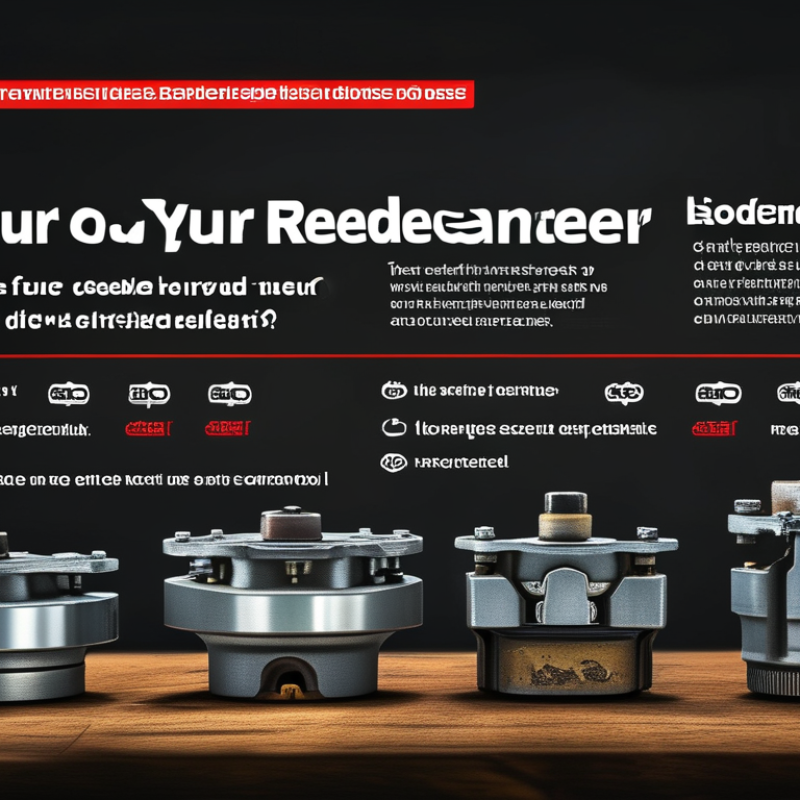
Understanding Brake Slack Adjusters: Definition and Functionality
Brake slack adjusters are crucial for safe vehicle operation. They maintain optimal brake performance by ensuring proper clearance between the brake shoes and drums. When brakes are applied, the adjuster automatically compensates for wear, enhancing efficiency. A well-functioning adjuster contributes significantly to braking power, especially in heavy-duty applications.
When selecting a brake slack adjuster, consider vehicle type and load capacity. Understanding your vehicle's specific requirements is vital. Each application may demand different adjusters to achieve the desired performance under various conditions. Remember, an ill-fitting adjuster can lead to safety hazards and increased wear on brake components.
Tip: Regular maintenance checks can help identify any slack adjuster issues early. Look for wear signs or unusual noises during inspections. If necessary, consult with an expert to ensure proper selection and installation. Taking these steps can help improve your brake system's overall effectiveness. Additionally, keep in mind that adjustments may require fine-tuning over time. It's an ongoing process that demands attention to detail.
Types of Brake Slack Adjusters: Manual vs. Automatic Options
When it comes to selecting a brake slack adjuster, understanding the differences between manual and automatic options is essential. Manual brake slack adjusters rely on regular inspections and adjustments to ensure optimal performance. This means a technician must frequently check the brake system. While this option can be more reliable in a hands-on environment, it requires diligence and consistent maintenance.
Automatic brake slack adjusters, on the other hand, self-adjust to maintain the appropriate brake shoe clearance. This feature reduces the need for frequent manual checks. These adjusters often enhance safety by ensuring brakes engage properly. However, they may require periodic checks to ensure they function correctly, preventing any chances of malfunction.
Each type has its advantages and drawbacks. Users must weigh the importance of regular maintenance against convenience. In some cases, the automatic option might seem ideal until failure reveals its flaws. Evaluating your operational needs helps in making an informed decision on which slack adjuster fits best.
Key Factors to Consider When Selecting a Brake Slack Adjuster
When selecting a brake slack adjuster, several key factors should guide your choice. The compatibility with your vehicle type is paramount. Different vehicles have unique brake systems that require specific slack adjusters. Make sure to consult your vehicle's manual. Inspect the specifications and ensure they align with your needs.
Durability is another critical consideration. Choose materials that can withstand harsh conditions and heavy usage. Look for adjusters made from high-quality steel or other robust materials. This ensures long-term performance and safety.
Tips: Always factor in installation simplicity. A user-friendly design will save you time and frustration. Regular maintenance is vital. Inspect the adjuster periodically for wear and tear.
Lastly, pay attention to the adjuster's design. A well-engineered adjuster can improve overall brake performance. This helps in maintaining your vehicle's safety standards. Remember, even a small oversight in selection can lead to bigger issues. Regularly reflect on your choices to ensure they meet your changing requirements.
How to Choose the Right Brake Slack Adjuster for Your Needs?
| Factor | Description | Importance | Recommendations |
| Type of Vehicle | Identify whether it's for a heavy-duty truck or a passenger vehicle. | High | Select adjusters specifically designed for the vehicle type. |
| Adjustment Style | Choose between manual and automatic adjustment systems. | Medium | Consider ease of maintenance and reliability. |
| Material Quality | Look for durable materials that withstand wear and tear. | High | Choose adjusters made from high-strength steel or aluminum. |
| Compatibility | Ensure the adjuster fits your brake system specifications. | High | Check manufacturer guidelines for compatibility. |
| Cost | Consider the price in relation to features and durability. | Medium | Balance cost with quality and long-term performance. |
Industry Standards and Compliance for Brake Slack Adjusters
When selecting a brake slack adjuster, compliance with industry standards is crucial. These standards ensure safety and performance in vehicles. Understanding these benchmarks can help you make informed decisions. The Federal Motor Carrier Safety Administration (FMCSA) outlines specific regulations that slack adjusters must meet. This compliance is not just a checkbox; it is a matter of ensuring reliability on the road.
Many adjusters may look similar, but compliance varies. Testing procedures and materials impact durability and performance. Perform some research on how different adjuster types perform under various conditions. For example, many adjusters are designed to withstand extreme temperatures. However, not all can maintain performance under prolonged stress. Therefore, choosing an adjuster that conforms to safety standards is essential for reliability.
Be cautious when reviewing product specifications. Manufacturers often claim compliance, but verification is key. Look into third-party testing results and certifications. Trustworthy products will often display their compliance status visibly. Remember, saving money on parts may lead to costly repairs later. Always prioritize safety and performance over price.
Maintenance Tips for Longevity of Brake Slack Adjusters
Brake slack adjusters play a crucial role in vehicle safety. Proper maintenance can significantly extend their lifespan. Research indicates that neglecting these components can lead to premature failures, impacting overall brake performance.
Regular inspection is essential. Check for wear and tear, especially after long trips or heavy load hauls. Look for uneven brake pad wear, which indicates misalignment. Such signs should not be ignored. A study by the National Highway Traffic Safety Administration revealed that over 25% of brake-related incidents stem from improperly maintained slack adjusters.
Tips for maintenance include keeping the adjusters clean and lubricated. Dirt and grime can accelerate wear. Ensure all moving parts are functioning smoothly; this improves adjustment accuracy. Periodically, adjust the slack to prevent excessive brake pedal travel. Remember, prevention is better than a costly repair.
Another effective practice is to train your team on inspection protocols. Consistent checks foster a culture of safety. Document your findings regularly. This will help spot trends over time. Remember, even the best systems require vigilance and care to remain reliable.
Brake Slack Adjuster Maintenance Tips