How to Choose the Right Impact Drop Test Machine for Your Needs?
Choosing the right Impact Drop Test Machine is crucial for ensuring product durability. These machines simulate real-world drops, allowing engineers to assess material strength and product resilience. A well-chosen machine can save costs and improve safety.
When selecting an Impact Drop Test Machine, consider your specific testing requirements. Different industries have unique needs. Some products may require rigorous testing, while others may not. Think about the types of materials you'll be testing and the expected drop heights. Your choice can impact your test results significantly.
It's essential to evaluate all options available in the market. Not all machines provide the same level of accuracy or reliability. Seek out machines with a solid reputation and proven track records. Investing time in research can yield significant benefits in the long run. A thoughtful approach will lead to better protection of your products and compliance with industry standards.
Understanding Impact Drop Test Machines: An Overview
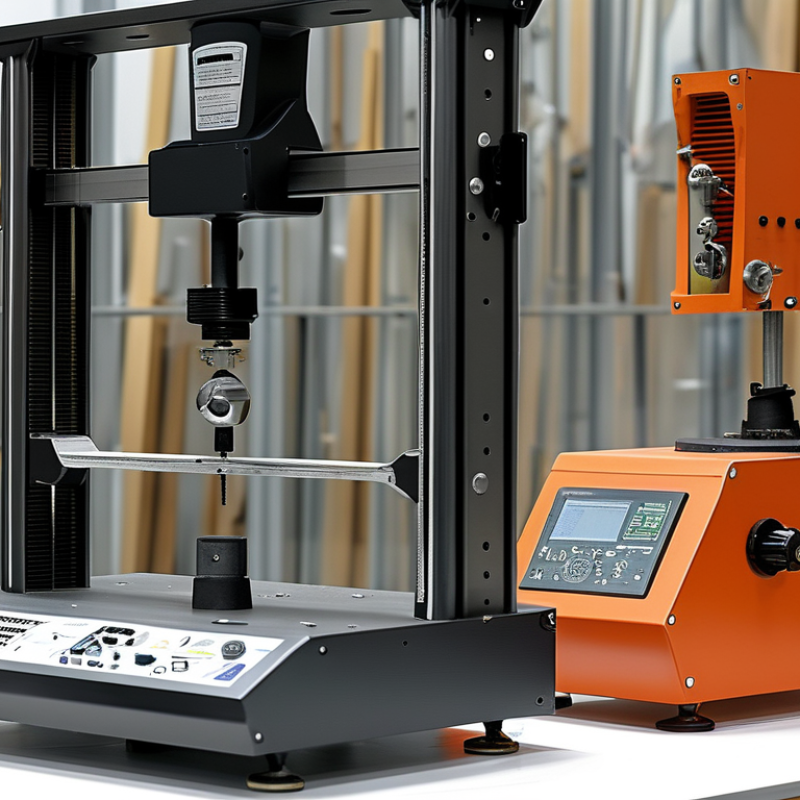
Impact drop test machines are essential for evaluating the durability of products. These machines simulate real-world impacts to assess how items react under stress. Understanding how they work is crucial for making informed choices.
An impact drop test machine typically features a drop mechanism, a testing platform, and sensors to measure impact forces. They vary in design and capability. Some models are suitable for lightweight consumer goods, while others cater to heavier industrial items. Users must consider their specific needs carefully.
Not every machine will meet every requirement. Testing parameters need to align with product specifications. Additionally, assessing the machine's repeatability and accuracy is vital. A detailed evaluation of available options can lead to better decision-making, improving the overall testing process.
Impact Drop Test Machine Specifications Comparison
Key Features to Consider When Choosing an Impact Drop Test Machine
Choosing the right impact drop test machine is crucial for product quality assurance. Various key features must be considered to ensure the machine meets your specific needs. One such feature is the drop height adjustment range. This range can greatly affect the accuracy of your testing. Research shows that nearly 70% of manufacturers prioritize adjustable drop heights to simulate real-world conditions effectively.
Another important aspect to consider is the machine's data acquisition system. A high-quality system allows for precise measurement and monitoring of impacts. According to industry data, about 65% of engineers prefer machines that offer real-time data reporting. This allows for immediate adjustments and better decision-making.
Finally, the material and construction of the machine are vital. Robust materials ensure the machine's longevity and reliability. However, many companies overlook maintenance requirements. Some machines may require frequent calibration, leading to downtime. It’s essential to weigh these factors against your operational demands. Balancing these elements can be a complex task but crucial for ensuring reliable product performance.
Evaluating Testing Standards and Compliance Requirements
When selecting an impact drop test machine, it's crucial to explore testing standards and compliance requirements. Standards such as ASTM and ISO guide how to conduct tests accurately. These standards provide procedures and criteria, ensuring that your testing aligns with industry expectations. Familiarize yourself with these guidelines to ensure your impact tests are valid and reliable.
Understanding compliance requirements is equally important. Different industries have specific regulations that impact how machines must perform. For example, the electronics sector may require more stringent drop testing compared to furniture manufacturing. Adhering to these regulations not only ensures safety but also enhances product credibility in the market.
Reflecting on your specific needs is essential. A machine may meet a standard but not align with your unique specifications. Balancing standard compliance with practical application is key. It’s vital to assess whether the machine can replicate real-world conditions in testing. This will help ensure your products withstand actual use scenarios.
Assessing Budget and Cost-Effectiveness of Test Machines
When evaluating impact drop test machines, budget plays a critical role. Setting a clear budget helps narrow your options. Keep in mind that the cost of a machine is not the only factor. Consider maintenance, operational costs, and potential repair expenses. A lower upfront cost may lead to higher long-term expenses.
Tips: Look for machines with low maintenance requirements. This can save you money in the long run. Examine user reviews and expert opinions on durability and reliability. These insights can provide a clearer picture of the machine's value.
Don't rush the decision. Take time to assess various models and their features. While it can be tempting to choose the cheapest option, consider additional functionality. A machine that meets all your specific needs may justify a higher price. Clarity on your operational requirements is essential for effective budgeting.
Tips: Create a checklist of features that matter most to you. Compare several options side by side. This method can help you identify which machine offers the best balance between cost and functionality. Reflect on what each choice means for your needs, not only in the present but in the future too.
How to Choose the Right Impact Drop Test Machine for Your Needs?
Assessing Budget and Cost-Effectiveness of Test Machines
| Model | Price ($) | Drop Height (cm) | Payload Capacity (kg) | Power Supply | Testing Standards |
| Basic Model A | 1,200 | 90 | 30 | 220V, 50Hz | ASTM D7383 |
| Advanced Model B | 2,500 | 150 | 50 | 110V/220V, 60Hz | ISO 9020 |
| Professional Model C | 4,000 | 200 | 70 | 220V, 50Hz | IEC 60068-2-32 |
| Industrial Model D | 6,500 | 250 | 100 | 380V, Three Phase | MIL-STD-810G |
Identifying Suitable Applications for Impact Drop Testing
When selecting an impact drop test machine, it’s essential to identify suitable applications. These machines assess products' durability by simulating real-world drops. They can help uncover potential weaknesses in design or materials. Industries like packaging, electronics, and automotive benefit greatly from this testing. Each sector has unique requirements, so understanding these is crucial.
Tips for selecting a machine: consider the weight and dimensions of the items you’ll test. Ensure the machine accommodates variations in size. Focus on the machine's drop height to simulate conditions your products may face. Testing packages can reveal flaws in cushioning or support. For electronics, assess vulnerability to shocks and impacts.
Additionally, evaluate the machine's features. Some machines offer data logging and analysis functions. This allows you to track performance and make informed adjustments. Non-compliance with safety standards can lead to product recalls. It's essential to choose equipment that adheres to relevant industry regulations. Always think critically about your testing needs and adjust accordingly.