What is a Coiling and Packing Machine and How Does It Work?
Coiling and Packing Machines are essential in various industries, including food, electronics, and textiles. They automate the process of winding material and packaging it efficiently. The global coiling and packing machine market is expected to grow at a CAGR of 6.5% from 2021 to 2028, according to recent industry reports.
Expert David Turner, a renowned industry analyst, states, “The evolution of coiling and packing machines has transformed production efficiency.” His insights highlight the shift towards automation in manufacturing. Coiling and packing machines help reduce labor costs while increasing output. As production lines become faster, the demand for more efficient machines rises.
However, challenges exist in this sector. Not all machines meet the diverse needs of companies. Some may struggle with flexibility or adaptability to various materials. This gap offers room for innovation. Companies need to invest in technology that minimizes waste and maximizes productivity. The journey towards optimizing coiling and packing processes is ongoing and requires continuous reflection and improvement.
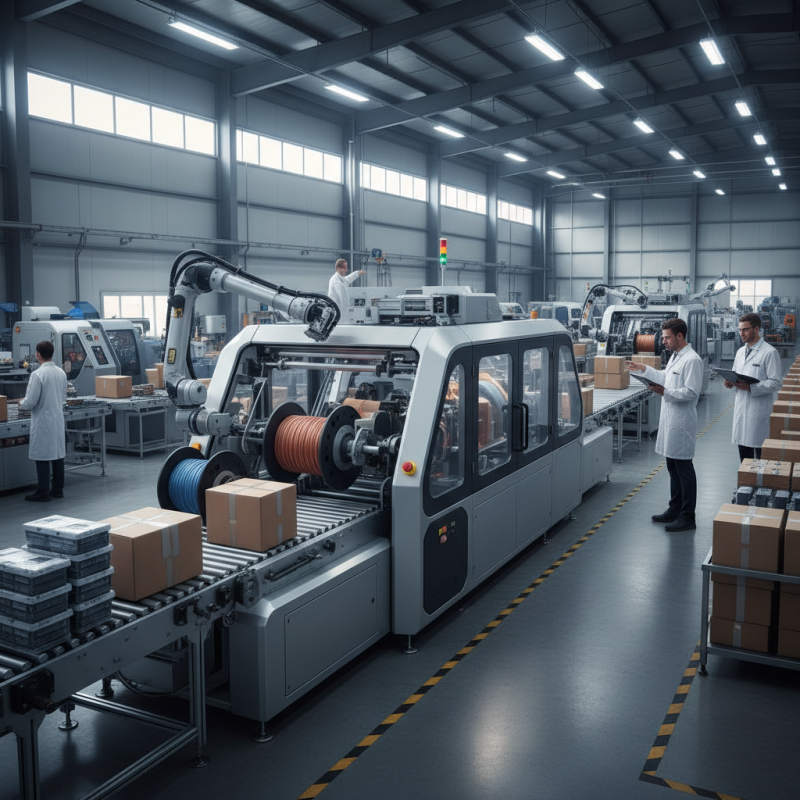
What is a Coiling and Packing Machine? Overview and Definition
A coiling and packing machine is a device designed to automate the process of winding materials and packaging them for storage or shipment. Typically used in industries like textiles and cables, this machine improves efficiency significantly. It can coiled various items, such as wires and ropes, ensuring they maintain a neat appearance.
These machines operate by feeding raw material into a coiling mechanism. The mechanism rotates, wrapping the material uniformly around a spool or reel. This creates a compact package that is easier to handle. After coiling, the machine often features a packing unit. This unit wraps the coils in protective materials, preparing them for shipment.
While coiling and packing machines offer advantages, they are not without challenges.
Operating these machines requires skill and routine maintenance. If not properly maintained, they can malfunction, causing downtime. Additionally, the initial setup can be complex, requiring time and training. Companies must assess their needs before implementation, ensuring that the benefits outweigh any potential drawbacks.
The Mechanism of Coiling: How Coiling Machines Operate
Coiling machines play a crucial role in many industries. They are designed to coil materials like wire, tape, and other flexible substances efficiently. The mechanism of these machines is quite fascinating. They use a series of rollers and guides to wind materials tightly, ensuring uniformity in tension and diameter. This operation is vital for quality control.
Typically, coiling machines can handle varying speeds. They can operate at rates of up to 200 meters per minute. This allows manufacturers to save time and increase output. However, achieving optimal performance isn’t always straightforward. Users must frequently adjust the machine settings. A slight misalignment can lead to uneven coils, impacting the end product.
The choice of materials significantly affects coiling performance. For example, softer wires may coil more easily, but require slower speeds to prevent kinking. In contrast, stiffer materials need fast, precise adjustments. These considerations highlight the complexity of coiling operations. Continuous monitoring is essential to ensure quality. Failure to do so can lead to costly waste and rework. The balance of speed and precision remains a key challenge for manufacturers.
Key Components of Packing Machines and Their Functions
Packing machines are essential in various industries, providing efficiency and reliability. The key components of such machines play a vital role in their function. A primary element is the conveyor system. It transports products smoothly and accurately, enhancing overall workflow. Reports indicate that automating this process can improve efficiency by up to 30%.
Another critical component is the filling mechanism. This determines how products are filled into packages. Its design must accommodate different product types, whether liquid, powder, or solid. Inaccurate filling can lead to waste and customer dissatisfaction, yet achieving precision is often a challenge. Some machines may struggle with consistency, leading to frustrating discrepancies in the packaged quantity.
The sealing system is equally important. Seal quality directly affects product shelf life and protects against contamination. However, not all sealing methods are equally effective. Factors, such as temperature and pressure, need constant monitoring. Poor sealing can compromise the entire batch. Industry data shows that over 15% of products can be returned due to packaging failures, highlighting the need for meticulous attention to these components.
Industry Applications of Coiling and Packing Machines
Coiling and packing machines play a crucial role in various industries. These machines are primarily used in packaging and organizing products into coils or rolls. The flexibility of their design allows them to cater to diverse materials, from films to wires. In the manufacturing sector, they help streamline the packaging process, making it more efficient.
One significant application is in the textile industry. Here, coiling and packing machines package fabrics and threads into neat rolls. This not only improves storage but also enhances transport efficiency. In the wire and cable industry, they assist in winding cables tightly to prevent damages during shipping. Additionally, food packaging often relies on these machines to securely wrap and store products, keeping them fresh and safe.
Industries like construction and electronics also benefit from these machines. They can handle heavy-duty materials and delicate components alike. However, there can be challenges. Sometimes, improper settings can lead to uneven packing or product damage. Regular maintenance is essential to minimize errors. Ensuring the right adjustments help achieve consistent output, which is vital for productivity. Though these machines are valuable, ongoing assessment and refinement are needed to fully harness their potential.
Efficiency Metrics: Output Rates and Productivity in Packaged Goods
Coiling and packing machines play a vital role in the packaging industry. They improve efficiency by automating the process of coiling products and packing them neatly. This machinery often leads to quicker output rates, which is essential for businesses aiming to meet high demand. The speed of these machines can be impressive, yet it raises questions about consistency.
Output rates are not solely about speed. Productivity also considers how well these machines adapt to different products. A coiling and packing machine might excel with one product while struggling with another. Operators often find themselves needing to tweak settings frequently. This back-and-forth can lead to frustration and downtime, affecting overall performance. The balance between speed and quality remains a challenging aspect.
Moreover, some machines may not keep up with new industry standards. Companies should evaluate whether their current equipment meets the needs of evolving consumer demands. Regular maintenance is often required to sustain high output rates. Over time, machines can exhibit wear and tear. Addressing these issues promptly can mean the difference between success and delays in production. This constant need for reflection can inspire innovation in the packing process.