What is a fiberglass mesh machine and how does it work?
fiberglass mesh machines play a crucial role in the construction and reinforcement industries. These machines produce high-quality fiberglass mesh used in various applications. According to a report by MarketsandMarkets, the global fiberglass mesh market is expected to reach $1 billion by 2025, growing at a steady rate. This growth highlights the increasing demand for superior construction materials.
Industry expert Dr. Steven Chang notes, "The efficiency of fiberglass mesh machines transforms the way we approach construction." His insight emphasizes the importance of innovation in this sector. These machines weave fiberglass strands into a robust mesh that enhances the strength of building materials.
However, the technology is not without challenges. Many manufacturers struggle with maintaining consistent quality and production efficiency. Issues like raw material sourcing and machine calibration can lead to subpar outputs. Addressing these challenges is essential for companies looking to remain competitive in the rapidly evolving market. As the industry grows, so does the need for reliable fiberglass mesh machines that ensure durability and quality in construction projects.
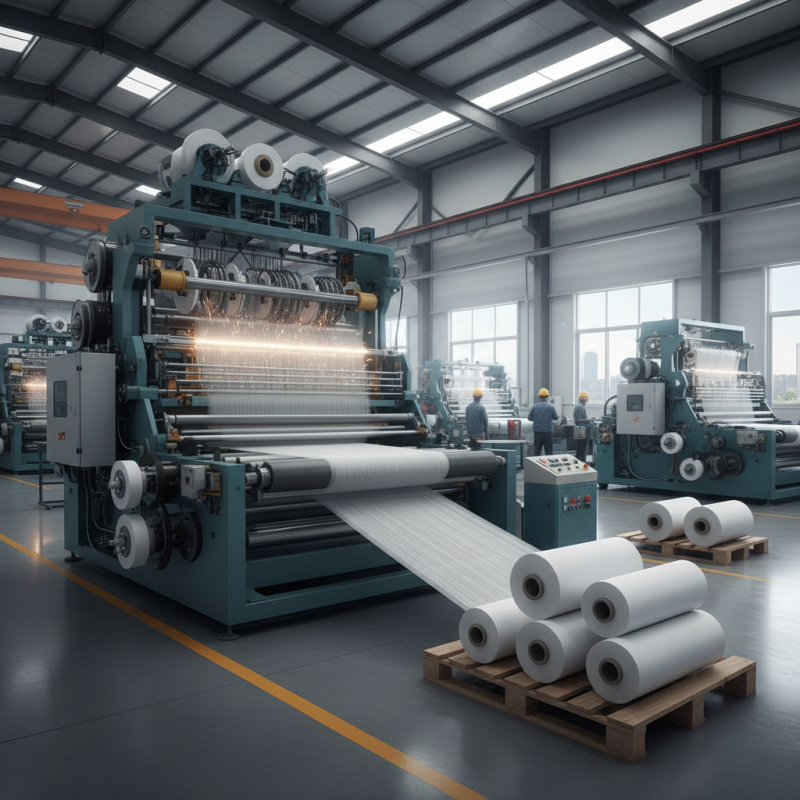
Definition and Overview of Fiberglass Mesh Machines
Fiberglass mesh machines are essential in manufacturing fiberglass mesh, a product widely used in construction and reinforcement. These machines create a grid-like structure from fiberglass strands. The process involves several steps, beginning with feeding raw fiberglass into the machine. The strands are woven together, forming a strong and durable mesh. Reports indicate that the global fiberglass mesh market is projected to grow by 5.5% annually, showcasing increasing demand across various industries.
One key feature of fiberglass mesh machines is their versatility. They can adjust mesh size and thickness based on specific project requirements. This adaptability is crucial for meeting diverse industry needs. Recent industry studies suggest that companies investing in advanced fiberglass mesh technology see productivity increase by up to 30%. This creates a competitive edge in a fast-evolving market.
Tip: Regular maintenance of the machine can prevent unexpected downtime. Inspecting weaving mechanisms frequently ensures optimal performance and minimizes the need for costly repairs. Additionally, training operators on machine settings can improve efficiency. Even small adjustments can significantly enhance output quality. Remember that every machine has a learning curve; understanding its quirks is vital for peak performance.
Components of a Fiberglass Mesh Machine
A fiberglass mesh machine is integral in producing strong, durable mesh used in construction. Understanding its components is crucial. The machine typically includes several key parts: the creel, warping unit, weaving unit, and drying system.
The creel holds the fiberglass yarn spools. Efficient yarn feed is critical for consistent quality. Warping units create parallel strands, ensuring the even distribution of yarn. The weaving unit then interlaces these strands. This stage determines the mesh's strength and flexibility. Recent industry reports indicate that up to 45% of defects arise in this weaving phase. Proper calibration is essential here.
Lastly, the drying system removes moisture from the finished mesh. This step influences the mesh's durability and performance. If moisture isn't adequately managed, it can lead to weak spots. Industry standards suggest maintaining moisture levels below 2% for optimal results. Each component must work flawlessly to produce high-quality fiberglass mesh. Even minor issues can compromise the final product's integrity.
Operational Process of a Fiberglass Mesh Machine
The operational process of a fiberglass mesh machine is intricate yet fascinating. It starts with raw fiberglass strands being fed into the machine. These strands are then combined with a resin to create a durable and flexible mesh. As the strands come together, they are woven into a grid-like structure. The weaving process is crucial; it determines the strength and flexibility of the final product.
During production, the machine runs continuously. Operators must monitor it closely. Any small error can lead to defects in the mesh. Once the weaving is complete, the mesh undergoes curing. This step hardens the resin, solidifying the mesh's shape. Sometimes, it requires adjustments. Even minor settings can affect the outcome.
After curing, the mesh is cut to size. This process needs precision. A slight miscalculation can result in waste. The quality is checked before packaging. Operators reflect on the process, identifying areas for improvement. Despite its efficiency, there are moments of challenge. Each cycle provides an opportunity to learn and enhance the production method.
Applications and Benefits of Fiberglass Mesh Products
Fiberglass mesh products are widely used in construction and home improvement. They are made of glass fibers woven together, creating a strong and lightweight material. This mesh enhances the durability of buildings, providing structural support and protection. It is often used in plastering, reinforcing walls, and providing additional stability in various applications.
In exterior insulation and finish systems (EIFS), fiberglass mesh helps prevent cracks. It provides a flexible layer that can absorb stress. This mesh is also resistant to weather conditions, making it suitable for different climates. Additionally, in the world of tile installations, fiberglass mesh aids in achieving a flat surface, ensuring longevity.
Yet, not all products are created equal. Quality variations can affect performance. Sometimes, users may encounter issues with mesh that is too brittle or lacks the necessary strength. This creates challenges in ensuring the desired durability in constructions. Therefore, it's crucial to evaluate the mesh's specifications. Understand its intended use to avoid unexpected complications.
Applications and Benefits of Fiberglass Mesh Products
Maintenance and Safety Considerations for Fiberglass Mesh Machines
Fiberglass mesh machines require regular maintenance for optimal performance. Poor maintenance can lead to costly downtimes and decreased productivity. Operators should check the machine daily. Look for signs of wear and tear. Ensure that all components are properly lubricated.
Tip: Create a maintenance schedule. Set reminders for regular checks. This helps prevent breakdowns and extends the lifespan of your machine.
Safety is paramount when working with fiberglass mesh machines. Operators should always wear appropriate protective gear. Gloves, goggles, and masks can prevent injuries or health issues. Training on proper machine operation is crucial. Ensure that all employees are familiar with safety protocols.
Tip: Conduct regular safety drills. This keeps everyone prepared for emergencies. Safety is not just a policy, but a culture. Encourage open communication about safety concerns on the floor.