

2026 How to Choose a High Voltage Distribution Box?

Choosing a High-Voltage Distribution Box in 2026 requires more than comparing prices or checking a voltage label. This component controls the safe movement of electrical power between the battery, inverter, charger, and auxiliary systems. A poor choice can create heat, voltage drop, difficult servicing, or weak fault protection. Small details matter. Connector sealing matters.

Prof. Dr. Martin Winter, a respected battery researcher, has said, “The battery is the heart of an electric vehicle.” His statement also highlights the importance of the surrounding protection system. A High-Voltage Distribution Box should support that heart with reliable switching, insulation, monitoring, and controlled energy paths. Buyers should examine continuous current, peak current, voltage range, short-circuit capability, creepage distance, and thermal performance. These figures must match real operating conditions, not only laboratory claims.

Practical experience also shows why enclosure design deserves careful attention. Dust, water, vibration, salt spray, and repeated temperature changes can damage seals and terminals. Look for appropriate ingress protection, verified materials, clear labeling, and traceable test records. Compliance with relevant automotive and electrical standards should be confirmed for the intended market and application. Supplier support is equally important. Can the manufacturer explain failure modes? Can it provide test data and service guidance?

A cheaper box may appear efficient. It may not remain efficient after years of heat cycles. That assumption deserves review. The best selection balances safety, performance, installation space, maintenance access, and future system changes. In 2026, the right High-Voltage Distribution Box is not simply the one with the highest rating. It is the one that performs predictably when conditions become difficult.
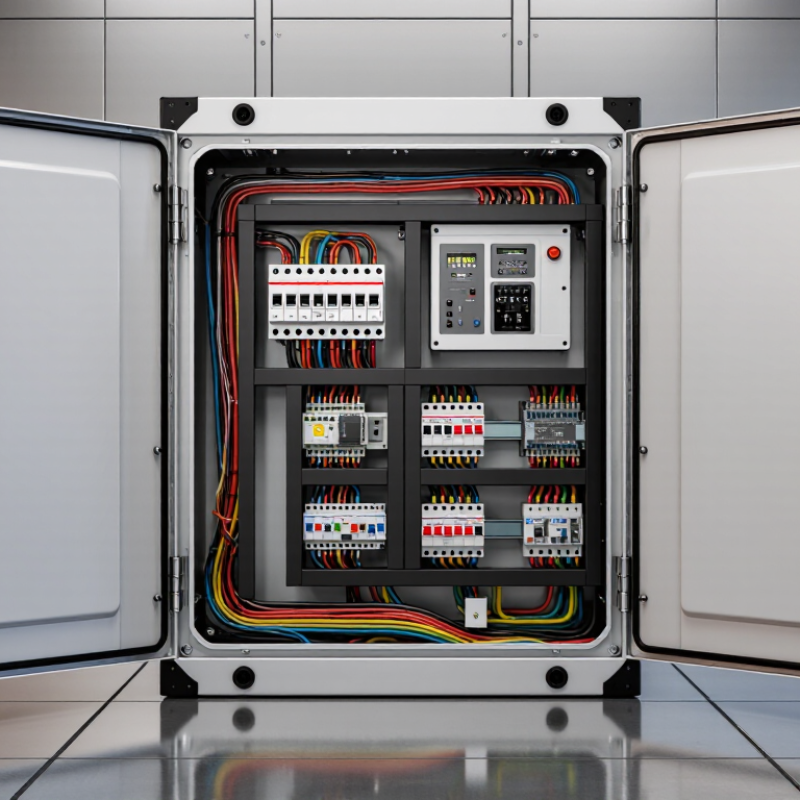
2026 How to Choose a High Voltage Distribution Box?

What Is a High Voltage Distribution Box?

A high-voltage distribution box is an enclosed electrical unit that receives, protects, and distributes power. It connects an incoming high-voltage supply with several outgoing circuits. Inside, busbars, switches, fuses, and monitoring devices manage electrical flow. These parts also help isolate faults and reduce equipment damage.

In practical inspections, the box is rarely just a metal cabinet. Its enclosure controls moisture, dust, heat, and accidental contact. When choosing one, check the rated voltage, continuous current, short-circuit withstand, and insulation level. Enclosure protection matters in workshops, vehicles, and outdoor equipment. Cable entry points should remain sealed after installation. Otherwise, water can reach terminals and create serious reliability problems.

A common mistake is selecting by voltage alone. I have seen installations with suitable voltage ratings but poor thermal margins. The box became hot under sustained load. That experience changed my review process. I now examine load profiles, ambient temperature, ventilation, and available maintenance space. Clear circuit labels are essential. So are secure covers and accessible test points. Protection devices must match the connected cables and equipment. Engineers should also verify applicable electrical standards and documented test results. Some projects overlook service access until repairs become difficult. That is an expensive lesson. A careful choice combines electrical data, physical conditions, installation practice, and honest risk review.

Which Electrical and Environmental Requirements Should You Assess?

2026 How to Choose a High Voltage Distribution Box?

Choosing a high voltage distribution box starts with electrical evidence, not appearance. Define maximum voltage, continuous current, peak current, and short-circuit energy. IEC 60664-1 requires insulation coordination based on working voltage, pollution degree, and overvoltage category. Creepage and clearance must match these conditions. A compact box may save space, but weak spacing can increase arcing risk. Check fuse coordination, contactor ratings, pre-charge behavior, HVIL performance, and insulation-monitoring compatibility. The IEA reported more than 17 million electric cars sold globally in 2024. That scale increases pressure for repeatable, documented protection.

Environmental assessment is equally important. IEC 60529 IP ratings describe enclosure protection, but they do not replace vibration, corrosion, or thermal testing. Use ISO 16750 test planning for road vehicles, including temperature cycling, mechanical shock, vibration, and fluid exposure. Ask for performance data after testing, not only a certificate. A box operating near a hot inverter may face severe thermal stress. Condensation can be more damaging than rain. Salt mist deserves attention near coastal routes. Altitude also reduces air insulation strength. These details are easy to miss.

Tips: Create a worst-case matrix for voltage, load, temperature, vibration, and moisture. Request test conditions and failure limits. Recheck assumptions with measured busbar temperature. Perfect specifications rarely exist; early designs often underestimate peak current or service clearance. That mistake is costly. Choose a design that remains safe when conditions become inconvenient.

How Do Safety Features and Internal Components Affect Your Choice?

Choosing a high-voltage distribution box starts with risk, not appearance. The IEA’s Global EV Outlook 2024 reported nearly 14 million electric-car sales in 2023, representing about 18% of global new-car sales. More vehicles mean greater demand for dependable high-voltage protection. The box should match maximum voltage, continuous current, short-circuit current, and expected temperature. A 400-volt system is not automatically compatible with an 800-volt design.

Safety features deserve close inspection. A high-voltage interlock loop can detect an open connector before energization. Contactors should isolate the battery during faults, while a pre-charge circuit limits capacitor inrush current. Fast-acting fuses, insulation monitoring, and a service disconnect add separate protection layers. UNECE Regulation No. 100 emphasizes protection against electric shock, including isolation and protection against direct contact. Small details matter. Connector locking force matters.

Internal construction affects long-term reliability. Copper or aluminum busbars need suitable plating, spacing, and mechanical support. Creepage and clearance distances should reflect voltage, pollution level, and humidity. Sealing should meet the required IP rating, but a higher rating can complicate heat dissipation. That trade-off is easy to miss. Thermal paths, current sensors, electromagnetic shielding, and pressure relief features should be checked together. A box may pass a laboratory test yet perform poorly after vibration, condensation, or repeated load cycles. I would question any selection based only on price, enclosure size, or a single certification. Testing evidence should include temperature rise, insulation resistance, vibration, and fault interruption data.

How Can You Select the Correct Rating, Size, and Configuration?

Choosing a high-voltage distribution box in 2026 starts with its electrical rating, not its appearance. The IEA’s Global EV Outlook 2025 reports that global electric car sales exceeded 17 million in 2024. This growth increases demand for reliable power distribution in vehicles, charging systems, and energy storage equipment.

Match the box to the system’s maximum continuous voltage, peak current, and short-circuit withstand rating. Do not size it from nominal voltage alone. An 800-volt system may experience temporary surges during acceleration or regenerative braking. Include temperature rise, insulation coordination, creepage distance, and dielectric test requirements. IEC 61439 guidance also emphasizes verified assemblies and thermal performance. A practical design leaves measurable margin, but excessive margin can increase cost and enclosure size.

Measure the installation space carefully. Check cable bend radius, terminal access, cooling airflow, service clearance, and mounting strength. The IP rating should reflect exposure to dust, water, vibration, and cleaning procedures. Configuration matters too. Fuse branches, contactors, pre-charge circuits, busbars, and monitoring sensors should follow the actual power-flow diagram. The IEA notes that battery storage deployment is expanding rapidly, making modular and serviceable layouts increasingly valuable. Still, modularity can introduce extra connections and failure points. A clean drawing can hide a poor thermal path. Review real load profiles, not only laboratory values, and have qualified engineers verify protection coordination before production.

2026 How to Choose a High Voltage Distribution Box?

Reference selection ranges for nominal DC voltage and continuous current when specifying a high-voltage distribution box.

Voltage rating

Select a box voltage rating equal to or higher than the maximum system voltage, including charging and transient conditions.

Current rating

Choose continuous and peak current ratings above the expected load. Include temperature rise, duty cycle, cable size, and altitude derating.

Configuration and protection

Confirm the number of poles, fuse or contactor arrangement, pre-charge circuit, creepage, clearance, enclosure IP rating, and required short-circuit withstand.

The chart uses common engineering reference points for 400 V, 800 V, 1,000 V, and 1,500 V DC systems. Final ratings must be verified against the applicable installation standard and system fault study.

How Should You Verify Compliance, Installation, and Maintenance Needs?

When selecting a high voltage distribution box in 2026, verify compliance before comparing price or appearance. Check the rated voltage, current, short-circuit withstand, insulation level, and enclosure protection. These values must match the site design, not only the product catalogue. Ask for routine test reports, material records, wiring diagrams, and declarations against applicable IEC or national standards. Documents matter.

Installation evidence should be equally specific. Confirm required clearances, cable bending space, grounding points, ventilation, and access for emergency isolation. Inspect the enclosure for a secure door seal and clear warning labels. Use calibrated tools for terminal torque. Record each value. A small mistake can create heat later. The installer should photograph cable routes, grounding connections, and final identification labels before energizing the system. Local electrical regulations and authority requirements must guide approval.

Maintenance planning reveals whether the box is truly suitable. Set inspection intervals based on load, dust, humidity, switching frequency, and operating environment. Check torque, corrosion, insulation condition, ventilation paths, and signs of overheating. Thermal imaging can expose loose connections before visible damage appears. Keep dated service records and replacement specifications. During field reviews, I have found that checklists often miss cable stress near entry glands. My own forms have missed details too. Review them with the technician who performed the work. Conditions change, and a maintenance plan should change with them.

Share by: