What is a Hydraulic Distributor and How Does It Work?
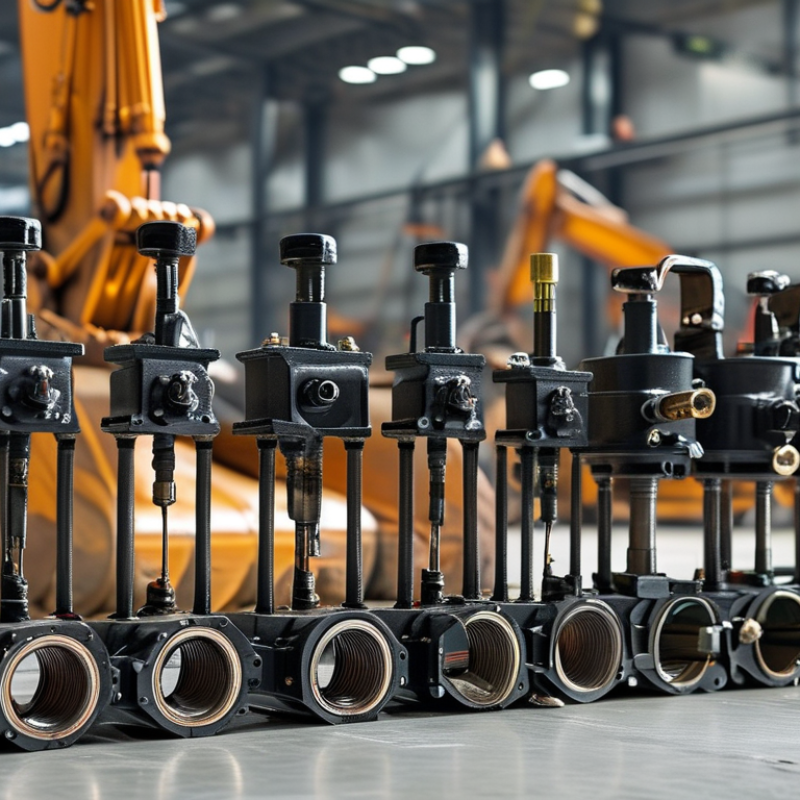
A Hydraulic Distributor plays a crucial role in hydraulic systems. It directs fluid flow to various components, ensuring precise control and functionality. By facilitating the transfer of hydraulic fluid, this device is essential for machines like excavators and presses.
Understanding how a Hydraulic Distributor operates requires some technical insight. These distributors use valves to control fluid paths, managing pressure and flow rates. Effective operation is critical in industries where efficiency is key.
However, not all Hydraulic Distributors perform equally. Factors like design and maintenance impact their reliability. Users must be aware of potential issues like leaks or blockages. Hence, ongoing evaluation is essential for optimal performance. The efficiency of hydraulic systems often depends on these seemingly small yet significant devices.
What is a Hydraulic Distributor? Definition and Purpose
A hydraulic distributor is a critical component in hydraulic systems. It simplifies the management of fluid flow, directing it to various actuators, such as cylinders and motors. Its primary purpose is to enhance the efficiency of hydraulic operations, ensuring optimal performance in machinery and equipment. Research indicates that effective hydraulic distribution can improve system efficiency by up to 20%, significantly reducing energy waste.
The functioning of a hydraulic distributor relies on multiple ports and valves. These components regulate fluid channels, allowing seamless transitions between different machinery functions. For instance, a distributor can connect multiple actuator types, enabling a single source to operate different tasks without disrupting the flow. According to a report by the International Fluid Power Society, improper system design can lead to fluid losses of 10% to 30%, emphasizing the importance of a well-designed hydraulic distributor.
Challenges exist in selecting the right hydraulic distributor for specific applications. Engineers often face issues regarding compatibility with existing systems. Inadequate training on system maintenance can lead to malfunction. Additionally, managing logistics for parts can be complex. While vendors provide general guidelines, the specifics may not always align perfectly with unique installations. A thorough understanding of hydraulic principles is crucial for engineers to make informed decisions.
Components of a Hydraulic Distributor: A Technical Overview
A hydraulic distributor is vital in hydraulic systems. It directs fluid flow to different components, ensuring efficient operation. Understanding its components helps in assessing system performance.
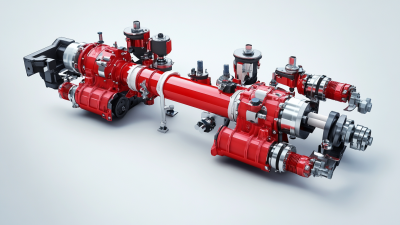
The primary components of a hydraulic distributor include the control valve, actuator, and housing. The control valve regulates fluid pressure and flow, while the actuator converts hydraulic energy into mechanical motion. The housing protects internal parts from damage and contamination. According to a report by the International Fluid Power Society, a well-designed hydraulic distributor can improve system efficiency by up to 30%.
Tips: Regular maintenance of hydraulic distributors is crucial. Inspect seals and valves for wear to prevent leaks. Small leaks can lead to significant efficiency losses. Moreover, improper setup can cause inconsistent performance. Learning to identify these issues early can save costs long-term.
How Hydraulic Distributors Function: Mechanisms and Principles
Hydraulic distributors play a crucial role in hydraulic systems. They direct fluid flow within the system. Understanding their mechanisms is essential for effective operation. The primary function is to control which actuator receives hydraulic fluid at a given time. This control helps manage the movement of machinery, enhancing precision and efficiency.
Inside a hydraulic distributor, several components work together. The core element is a valve that opens or closes fluid pathways. Actuators connected to the valve respond to these changes. When one path opens, another may close. This creates a controlled flow. The system relies on pressure differentials to activate these valves. As fluid pressure increases, it pushes against the valve mechanism, shifting its position.
While hydraulic distributors are reliable, they can also pose challenges. Blockages can occur if debris enters the system. This can lead to uneven operation. Regular maintenance is essential to prevent such issues. Awareness of the distributor's design and potential pitfalls can guide users. Overall, mastering hydraulic distributors requires practice and reflection on their functionality.
Applications of Hydraulic Distributors in Various Industries
Hydraulic distributors play a crucial role in various industries. They control the flow and direction of hydraulic fluid, ensuring the effective functioning of machinery. In manufacturing, hydraulic distributors ensure precise operations. For instance, they manage presses and robotic arms to boost efficiency. According to a report by MarketsandMarkets, the hydraulic equipment market is expected to reach $49 billion by 2025, fueled by these crucial components.
In the construction sector, hydraulic distributors enhance the performance of equipment like excavators and cranes. They enable smooth operation, improving safety and productivity. A study from IBISWorld has shown that the construction industry's demand for hydraulic systems has grown by 3.1% annually over the past five years. However, challenges such as maintenance costs and the complexity of systems exist. Recognizing these factors is essential for lasting efficiency.
Moreover, the automotive industry benefits significantly from hydraulic distributors. They contribute to braking systems and power steering, impacting overall vehicle performance. With electric vehicles on the rise, the adaptation of hydraulic systems is under scrutiny. This evolution highlights the need for innovation and improvement. As industries adopt more advanced technologies, hydraulic distributors must evolve to meet changing demands, ensuring reliability and efficiency.
Applications of Hydraulic Distributors in Various Industries
Key Performance Metrics and Data for Hydraulic Distributors
Hydraulic distributors play a crucial role in fluid power systems. They control the direction, flow, and pressure of hydraulic fluid. Understanding their performance metrics is vital for optimizing system efficiency. Key performance indicators include response time, flow capacity, and pressure drop. These metrics help assess a distributor's effectiveness in various applications.
Here's a tip: Regularly monitor these metrics for any changes. Sudden shifts may indicate wear or blockages. Maintaining optimal performance can save costs in the long run.
Another aspect to consider is the distributor design. Many types exist, including spool valves and poppet valves. Each type has unique benefits and operational characteristics. Choosing the right type impacts efficiency and reliability.
Evaluate your operational needs carefully. Small mistakes in selection can lead to inefficiencies. Ensure you assess the overall system compatibility for best results.