

A Plate Filter separates suspended solids from liquid by pressing a slurry through cloth-covered plates. Inside the press, aligned plates form shallow chambers that hold the incoming mixture. Pressure moves liquid through the cloth, while particles collect as a cake. Simple in principle. Actual results depend on more than pressure. Particle size, slurry chemistry, cloth choice, and cake thickness all affect filtration. Small changes matter.
Operators often judge performance by filtrate clarity, cycle time, cake dryness, and how easily the cake releases. These observations can help distinguish a process problem from a worn cloth, blocked channel, or unsuitable operating setting. Plate designs differ, so capacity and pressure limits should come from the equipment maker’s specifications, not guesswork. A clear explanation of how the filter works should cover feeding, filtration, cake discharge, and cleaning. Each stage leaves clues. For example, cloudy filtrate may indicate a damaged cloth or poor sealing, but it is not proof by itself. Inspection and process records provide a more reliable diagnosis. This guide introduces the main components, follows liquid and solids through a typical cycle, and highlights operating details worth monitoring. It also explains why performance varies between applications: no single setting suits every feed or production goal.
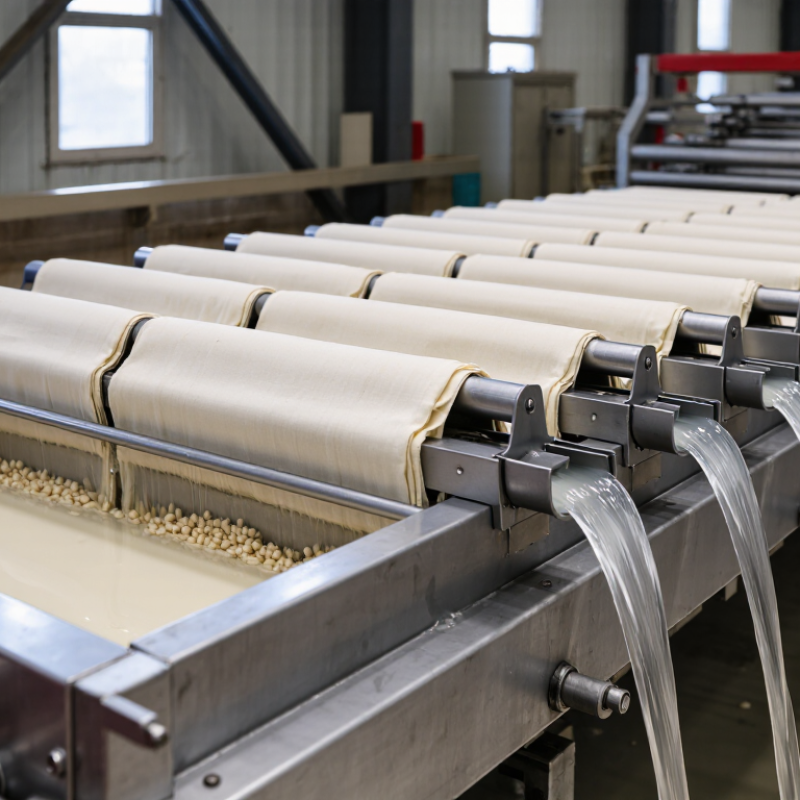
What Is a Plate Filter and How Does It Work?
What a Plate Filter Is and Where It Is Used
A plate filter is a filtration device built around flat plates that support filter cloth or another porous medium. In a common plate-and-frame design, liquid containing suspended solids is fed between the plates. Pressure pushes the liquid through the medium, while particles collect on its surface. The retained material forms a damp cake. That is the basic idea, though real performance depends on the material being filtered.
Plate filters are used in wastewater treatment, mineral processing, chemical production, and some food operations. They help separate solids from liquids when settling alone is too slow or the liquid needs further clarification. A plant may use one to dewater sludge before hauling it away. In a food facility, a suitable setup may remove fine particles from a process liquid. Applications differ, so filter cloth, plate design, and operating pressure must match the slurry. A poor match can slow the cycle or leave the cake wetter than expected.
Tips: Check the cloth for tears and buildup before each run. Record cycle time and cake texture; small changes can flag a developing problem. Don’t assume a clearer filtrate always means an efficient process. Sometimes the trade-off is easy to miss.

A plate filter separates solids from a slurry by passing liquid through filter cloth held between plates. Solids collect on the cloth as filter cake; the cake is removed when filtration is complete.
The chart shows the general sequence of a filtration cycle, not measured operating data. Plate filters are used in applications such as wastewater treatment, chemical processing, and mineral processing; the exact cycle can vary by equipment and material.
What Is a Plate Filter and How Does It Work?
Main Components of a Plate Filter
A plate filter press holds a stack of recessed plates inside a rigid frame. Filter cloth covers each plate, creating chambers where solids collect. A hydraulic closing system presses the plates together, while a feed channel carries slurry into the chambers. Under pressure, liquid passes through the cloth and exits through drainage grooves and filtrate ports. The retained solids form a cake. Simple, but small details matter: a damaged cloth can cloud the filtrate.
The U.S. EPA’s Design Manual: Dewatering Municipal Wastewater Sludges describes pressure filtration as a mechanical dewatering method and reports cake solids that can range roughly from 25% to 50%, depending on sludge and conditioning. That is a broad range, not a promise for every feed. Optional membrane plates can squeeze the cake further after filling, while plate handles and alignment features help keep the stack sealed. Operators should inspect cloth seams, plate faces, and outlet flow; uneven discharge may signal a blockage or poor sealing.
Tips: Check the filtrate for haze during a cycle. Record pressure, cycle time, and cake texture. One overlooked variable is feed consistency: even a sound plate stack can perform poorly when the incoming slurry changes.
A plate filter press separates suspended solids by forcing slurry through filter cloth stretched across a stack of recessed plates. The plates close tightly, forming shallow chambers. Feed enters through a central channel and spreads into these spaces. Liquid passes through the cloth; particles remain behind. The filtrate runs along grooves in each plate and exits through drainage ports. It should look clearer, though clarity depends on the slurry and cloth.
As solids collect, they form a cake that gradually thickens across each chamber. Flow slows as the cake resists further passage, so operators monitor pressure and filtrate appearance rather than relying on a fixed cycle time. The US EPA’s 2000 Biosolids Technology Fact Sheet: Recessed-Plate Filter Press reports typical cake solids of about 25–50% for biosolids applications. That range is useful context, not a promise: feed properties and operating conditions can shift the result. Uneven filling can also leave thin or wet patches.
Tip: Check the first filtrate for cloudiness and inspect cloth seams for leaks. Small details matter. If cake release becomes difficult, review cloth condition and chamber filling before increasing pressure. A rushed adjustment can hide the real cause.
Plate filters share a basic cycle: slurry enters a stack of cloth-covered plates, solids collect as cake, and liquid passes through the cloth into channels. The plate design affects sealing, cake thickness, cleaning, and how much moisture remains. Small details matter. A worn cloth or unevenly tightened plate can cause leaks and uneven filtration.
In a plate-and-frame design, flat plates alternate with hollow frames. Solids build up inside each frame, so operators can adjust cake space by changing frame thickness or number. Recessed-chamber filters form enclosed spaces within paired plates, using fewer separate parts and often allowing faster setup. Their chambers set the available cake depth, which can limit flexibility with changing solids loads. Membrane plate filters add a flexible surface that presses the cake after the initial filtration stage. This can reduce retained liquid, but adds equipment and operating steps. Not always necessary. For a watery cake, the extra squeeze may help; for fragile solids, pressure can deform the material. Selection should account for slurry behavior, target dryness, cloth compatibility, and cleaning access. Pilot tests are useful, since feed samples rarely capture every change in real production.
A plate filter separates suspended solids from liquid by pressing slurry through filter cloth held between plates. Pressure drives the liquid through the cloth, while solids collect as a cake. A clean start matters. If cloth is worn, blocked, or poorly seated, filtrate may turn cloudy or leak around the edges.
Several factors shape performance. Smaller particles can clog cloth pores, while thick or highly concentrated slurry may slow drainage. Cloth pore size must suit the feed: finer cloth can improve clarity, but often extends filtration time. Pressure helps, up to a point. Some cakes compress under higher pressure, trapping liquid and reducing flow. Plate alignment, sealing, and cycle length matter too. Operators can compare filtrate clarity, cycle time, and cake moisture between runs. A tidy chart can still miss uneven feed or a damaged cloth, so inspection remains useful. Even experienced teams sometimes adjust settings by trial; record each change to see what actually helps.
| Topic or factor | What it means | Effect on filtration | Practical check or adjustment |
|---|---|---|---|
| How a plate filter works | A plate filter press clamps filter plates together to form chambers lined with filter cloth. A pump feeds slurry into the chambers; liquid passes through the cloth while solids collect as filter cake. | Filtrate exits through drainage channels. As the cake builds, it provides additional filtration but also increases resistance to flow. | Check that plates are aligned and sealed, cloths are correctly fitted, and filtrate outlets are clear. |
| Feed pressure and pressure profile | The pressure difference across the cloth and cake drives liquid through the filter. Operating limits depend on the press design, plates, cloth, and slurry. | Increasing pressure can raise the initial flow rate, but compressible cakes may compact and become less permeable. Excessive pressure can damage equipment or cause leakage. | Follow the equipment’s rated limits. Monitor pressure and flow during the cycle rather than assuming that higher pressure always improves throughput. |
| Solids concentration in feed | The proportion of suspended solids in the incoming slurry, commonly expressed as a mass percentage. | Higher solids concentration can build cake more quickly and reduce the liquid volume that must be filtered, but may also increase feed viscosity and make distribution less uniform. | Measure feed solids consistently and check for settling or concentration changes before and during a run. |
| Particle size and particle-size distribution | The sizes of the suspended particles and how broadly those sizes are distributed. | Coarser particles often form more permeable cakes. Very fine particles can block cloth openings or fill the spaces between larger particles, slowing filtration and affecting filtrate clarity. | Compare particle characteristics with filtrate clarity and cycle time. Where suitable, evaluate pre-coating or filter aids through controlled trials. |
| Cake thickness and chamber filling | The thickness of solids accumulated in each chamber before discharge. | A thicker cake increases the distance liquid must travel through the solids and generally raises flow resistance. Uneven filling can leave some chambers underfilled while others become overloaded. | Use a consistent feed and cycle endpoint. Inspect discharged cakes across the plate pack for uneven thickness or wet areas. |
| Slurry viscosity and temperature | Viscosity describes a fluid’s resistance to flow; it often changes with temperature and slurry composition. | Higher viscosity typically reduces liquid flow through the cloth and cake. Temperature changes may alter viscosity, but their effects depend on the specific slurry and process. | Record feed temperature and, where useful, viscosity. Compare runs only when feed conditions are similar. |
| Filter cloth material and weave | Cloth material, weave, permeability, and surface finish determine how the cloth retains particles and releases cake. | A cloth that is too open may allow solids into the filtrate; one that is too restrictive or blinded can reduce flow. Chemical compatibility and temperature resistance also matter. | Select cloth for the slurry and operating conditions. Check for tears, stretching, blocked pores, and poor fit around feed and drainage openings. |
| Cloth blinding and cleaning | Blinding occurs when particles or deposits obstruct cloth openings and are not removed during normal cake discharge. | Blinded cloth reduces permeability, lengthens cycles, and may cause uneven flow or poorer filtrate quality. | Track cycle time and filtrate flow over successive runs. Use a cleaning method compatible with the cloth material and process chemistry. |
| Feed distribution and plate sealing | The feed channel distributes slurry to the chambers, while the closed plate pack and gaskets contain pressure and prevent bypass. | Blocked feed passages can cause uneven chamber filling. Poor sealing can lead to leaks or unfiltered slurry bypassing the cloth. | Inspect feed ports, gaskets, plate faces, and clamping. Stop and correct leakage rather than treating it as normal operation. |
| Cycle endpoint and cake moisture | The endpoint is the point at which feeding or filtration is stopped. Cake moisture is the remaining liquid in the discharged solids. | Extending a cycle may remove more liquid, but the benefit often diminishes as cake resistance rises. The best endpoint depends on throughput, moisture targets, and operating cost. | Use stable process indicators such as declining filtrate flow, pressure behavior, and measured cake moisture to set a repeatable endpoint. |

We have over 30 years of experience in designing complete hydraulic systems, repairs and distribution of fluid power equipment and parts.
FOLLOW US ON :
Address:
4020 SE 45th CT.
Ocala, FL 34480
Phone No:
Email:
sales@cunninghamfluidpower.com