Top Quality Egg Packing Boxes for Global Buyers?
In today's globalized market, the demand for quality Egg Packing Boxes continues to rise. These boxes are essential for preserving the integrity of eggs throughout transportation and storage. Buyers seek reliable packaging solutions that can ensure freshness and minimize damage. The quality of these boxes directly influences consumer satisfaction and brand reputation.
Understanding the nuances of egg packing is vital. Manufacturers must focus on materials that provide adequate protection. Cardboard, plastic, and molded fiber are popular choices. Each option offers unique benefits, such as durability and environmental friendliness. Unfortunately, not all packaging solutions are created equal. Some lack the robustness needed for safe transport.
Quality assurance is critical in this industry. Regular testing and feedback from buyers can lead to improvements in design and functionality. Buyers should look for trusted suppliers with a proven track record. Assessing product reviews can also be beneficial. An informed choice can significantly impact your business's success in the egg market.
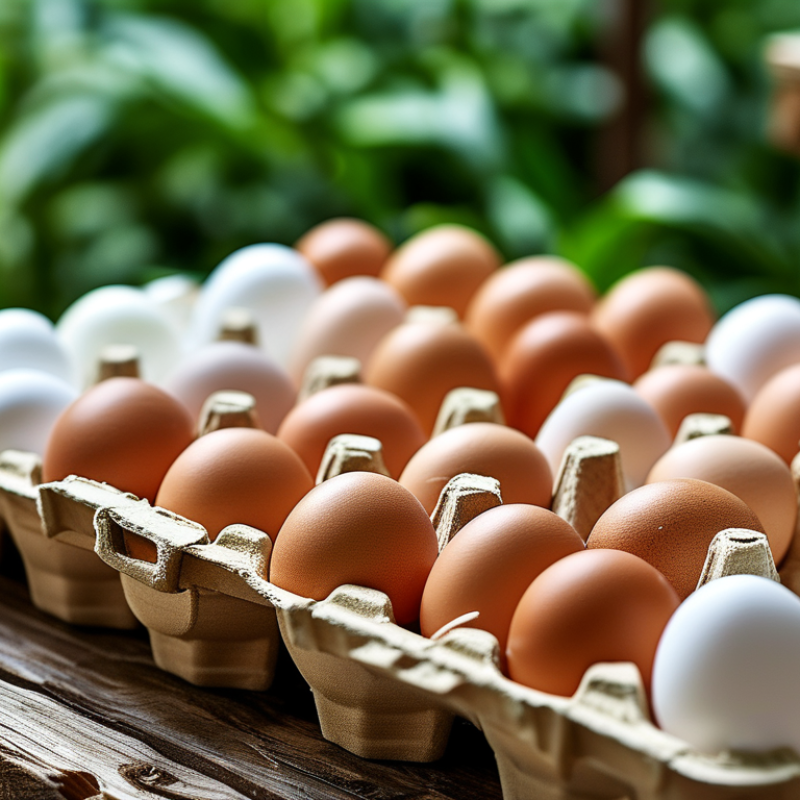
Top Quality Egg Packing Boxes: Industry Overview and Trends
In recent years, the demand for high-quality egg packing boxes has surged globally. The egg packaging market is projected to grow by approximately 5% annually through 2025. This trend is fueled by the increasing focus on sustainable and efficient packaging solutions. Eco-friendly materials, such as recycled paper and molded pulp, are gaining traction. These materials not only reduce environmental impact but also enhance product safety during transportation.
A 2020 report highlighted that about 30% of global consumers prefer biodegradable packaging for eggs. This preference drives manufacturers to innovate and adopt these sustainable practices. However, the industry still faces challenges. Many producers struggle to balance cost and quality. Some packaging solutions may not provide adequate protection against cracks, leading to significant losses in transit.
Tips for selecting the right packing box include considering the materials used. Look for options that offer both strength and eco-friendliness. Ensure that the boxes have proper ventilation. This prevents spoilage during storage. Engaging with suppliers who prioritize quality and sustainability can be beneficial. Tracking market trends can help buyers make informed decisions about their packaging needs.
Key Material Types Used in Egg Packing Boxes and Their Benefits
Egg packing boxes are vital for preserving the quality and safety of eggs during shipping and storage. Various materials are used to manufacture these boxes, each with unique advantages. The most common materials include cardboard, pulp, and plastic. According to a report by Smithers Pira, the global market for egg packaging is expected to grow at a compound annual growth rate of 5.9% from 2021 to 2026. This growth underscores the importance of selecting the right packing materials.
Cardboard is a popular choice due to its lightweight and recyclable nature. It provides sufficient cushioning to prevent breakage while being environmentally friendly. On the other hand, pulp trays are designed to absorb shocks, making them excellent for transportation. Research by the Food Packaging Association indicates that pulp-based packaging reduces egg breakage rates by up to 30%. However, some may question the durability of pulp trays compared to plastic options.
Plastic packing boxes are robust and provide excellent protection from external factors. Despite their advantages, they present challenges in terms of environmental sustainability. Many manufacturers face criticism for using non-biodegradable materials, prompting a reassessment of practices. Choosing the right material is essential, but it often raises questions about balancing cost and environmental impact.
When selecting egg packing boxes, consider longevity and environmental footprint. Aim for materials that minimize waste and enhance safety. Sustainability and effectiveness go hand in hand; it's an ongoing journey for the industry.
Market Demand Analysis for Egg Packing Boxes Among Global Buyers
The global demand for egg packing boxes is on the rise. Many buyers are seeking high-quality solutions to ensure the safe transportation of eggs. As consumers become more eco-conscious, sustainable materials are gaining traction. Biodegradable and recyclable options are not just trends; they are expectations. This shift reflects an increasing awareness of packaging's environmental impact.
Manufacturers are also adapting to various packaging needs. The size, shape, and design of egg boxes are crucial. Buyers often have specific requirements based on egg sizes and types. Some prefer lightweight packaging for shipping efficiency, while others seek sturdy designs for retail display. However, balancing cost and quality remains a challenge for many suppliers.
Evaluating material performance is essential. Some packaging fails under pressure, leading to product loss. Questions about durability and handling arise frequently. Buyers must weigh these considerations carefully. Understanding the market demands deep knowledge of trends, innovations, and buyer preferences. Engaging with customers directly can aid suppliers in refining their offerings. This feedback loop is key to meeting evolving needs in the egg packing industry.
Innovations in Egg Packing Technology: Enhancing Protection and Sustainability
The global egg packing industry is witnessing a wave of innovation. These advancements focus on enhancing protection and sustainability. Modern egg packing boxes are designed not only to safeguard fragile eggs but also to reduce environmental impact. Manufacturers are now experimenting with biodegradable materials and recyclable options. This approach benefits producers and consumers alike. It reflects a growing awareness of sustainability in today’s market.
Proper packaging is crucial for maintaining egg quality during transportation. The right materials can prevent breakage while keeping eggs fresh. Foam inserts, for example, offer excellent cushioning. They absorb shocks and prevent eggs from moving. However, it’s important to regularly assess these protective features. Not every design works perfectly in all scenarios.
Choosing the right egg packing method can be challenging. Look for options that promise durability yet are eco-friendly. Evaluate the efficiency of packaging processes as well. Inefficiencies in production can lead to wasted resources. Testing new packaging prototypes can help identify potential flaws. Iteration is key in this evolving field, which can sometimes be overlooked. Focus on continuous improvement to effectively meet market demands while prioritizing sustainability.
Regulatory Standards Impacting Egg Packing Box Manufacturing and Design
The egg packing box industry faces strict regulatory standards that affect manufacturing and design processes. Global buyers must navigate various safety and quality regulations. These include specific requirements for materials, labeling, and structural integrity. It's crucial to adhere to these guidelines to ensure the safe transport of eggs. Failure to meet these standards can lead to significant financial penalties and product recalls.
Material choice is another essential consideration. Many regulations specify that materials used in packaging must be non-toxic and safe for food contact. This complicates manufacturing, as materials must often undergo rigorous testing. Despite efforts to comply, some manufacturers may find it challenging to stay updated on ongoing regulatory changes.
Design elements, such as ventilation and cushioning, play a vital role in protecting the eggs. While some designs may look appealing, they must also deliver on functionality. Optimizing designs for both aesthetics and safety can be a trial and error process. Continuous improvement in response to regulations and consumer demands is necessary for success. Global buyers should prioritize suppliers who demonstrate consistent compliance with these standards.