Reversing Contactor Tips for Efficient Motor Control Solutions?
Motor control systems are essential in various industrial applications. The use of a Reversing Contactor is a key component in these systems. It enables motors to reverse direction, offering flexibility in operations. Understanding how to efficiently implement reversing contactors can significantly enhance performance.
Reversing contactors are designed to manage two different circuits. They can switch motor polarity by changing the phase sequence. This functionality is critical for applications like conveyor belts and cranes. Choosing the right reversing contactor is not just about functionality, but also about reliability and safety. The market offers various options, each with unique specifications.
It's essential to consider the electrical characteristics of your system when selecting a reversing contactor. Load ratings, inductive loads, and control voltages are all important factors. Additionally, incorrect selection could lead to malfunctions or safety hazards. Recognizing common issues and seeking professional guidance can mitigate risks. Ultimately, using reversing contactors smartly can lead to more efficient motor control solutions.
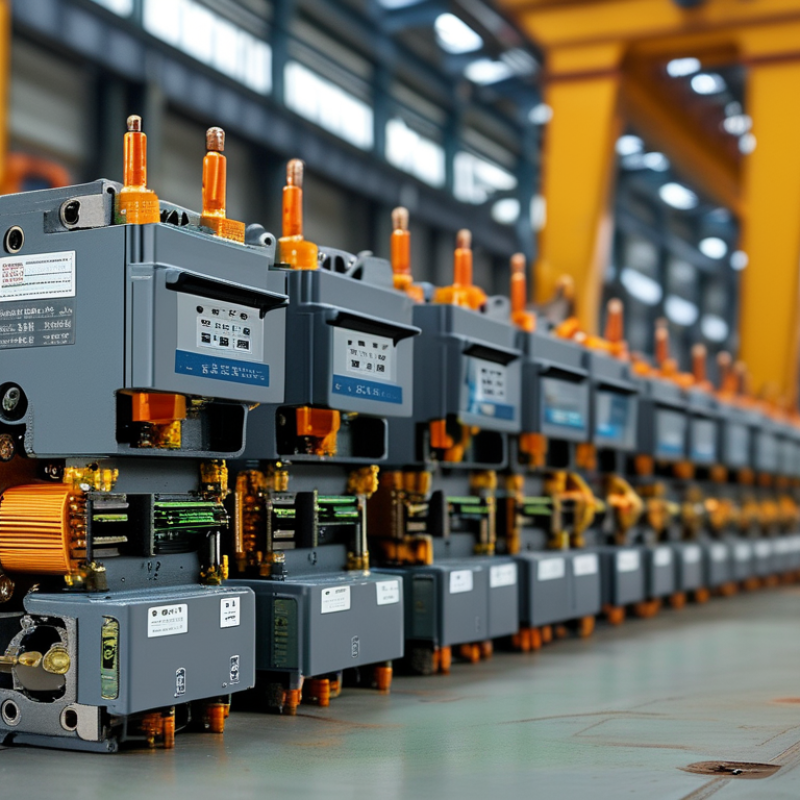
Understanding the Basics of Reversing Contactors in Motor Control
Reversing contactors play a critical role in motor control solutions. They allow motors to change direction effectively. Understanding how they work is vital for anyone involved in industrial applications. When properly used, these devices enhance efficiency and extend the lifespan of motors.
Tips for choosing the right reversing contactor include considering the motor's voltage and current ratings. Ensure that the contactor can handle peak loads. Also, pay attention to the operating environment. Dust and moisture can impact performance. A well-chosen contactor can improve reliability significantly.
Installation is equally essential. Proper wiring and safety measures should not be overlooked. It's prudent to label connections clearly to avoid errors during maintenance. Additionally, regular inspections can help detect wear before it leads to failure. Over time, understanding these details will help in optimizing motor control solutions.
Reversing Contactor Tips for Efficient Motor Control Solutions
| Feature | Description | Benefits | Typical Applications |
| Reversing Functionality | Allows the motor to run in both directions. | Increased versatility in machine operation. | Conveyor systems, cranes, and fans. |
| Safety Features | Incorporates overload and short-circuit protection. | Minimizes risk of damage and enhances safety. | Industrial machinery, robotics. |
| Control Mechanisms | Can be controlled via manual switches or automation systems. | Flexible operation options for various setups. | Automated production lines, remote operation. |
| Installation and Maintenance | Typically straightforward with clear wiring diagrams. | Reduces downtime and maintenance costs. | Manufacturing equipment, HVAC systems. |
Key Advantages of Using Reversing Contactors for Motor Efficiency
Reversing contactors are essential for enhancing motor control efficiency. Their ability to switch motor direction offers unmatched versatility. Industry reports indicate that efficient motor control solutions can improve energy consumption by up to 30%. This is vital for manufacturers looking to reduce operational costs.
Implementing reversing contactors allows for smoother start-ups and stops. This reduces mechanical wear and tear, potentially extending motor lifespan. Reliable sources show that motors can last 20% longer when proper control methods are applied. Quick response times enhance operational safety and productivity, making reversing contactors a preferred choice in many applications.
Tips for ensuring optimal use of reversing contactors include regular maintenance checks. Dust and debris can lead to overheating issues. Ensure that connections are tight and secure to avoid voltage drop. Monitoring motor performance through sensors can help identify inefficiencies early. When integrating reversing contactors, consider potential future needs for scalability. This foresight can mitigate costs in the long run.
Technical Specifications and Ratings of Reversing Contactors
Reversing contactors are vital for efficient motor control. Understanding their technical specifications can enhance system performance. Key parameters include voltage ratings, current ratings, and mechanical lifetime. It's crucial to select contactors that match your motor's requirements. An inadequate rating can lead to failures or inefficiencies.
The voltage rating typically shows the maximum voltage the contactor can handle. Standard values range from 230V to 600V. Current ratings must also be considered, as they indicate the maximum load the contactor can switch. Most units have life spans measured in operations, helping you gauge reliability. It's essential to balance these factors to prevent motor damage.
Also, nuances in installation can impact operational efficiency. Many users overlook heat dissipation. Each installation must account for the operating environment. Dust and moisture can deteriorate contactor performance. Regular maintenance and checks can help avoid unexpected failures. Every detail matters in achieving optimal efficiency.
Best Practices for Installing and Maintaining Reversing Contactors
When installing reversing contactors, proper practices ensure reliability and efficiency. A well-documented report from the National Electrical Manufacturers Association (NEMA) states that improper installation can reduce efficiency by up to 40%. Take care to match contactor ratings with motor specifications. Oversized or undersized contactors can lead to overheating or inefficient operation.
Routine maintenance is equally crucial. Many manufacturers recommend checking connections and terminals quarterly. Loose connections can lead to increased resistance and heat. A survey by the Institute of Electrical and Electronics Engineers (IEEE) reveals that 30% of motor failures stem from neglecting electrical integrity. Regular inspections help identify potential issues before they escalate.
Despite best efforts, challenges remain. Misalignment during installation may occur, impacting performance. Ensuring proper alignment within mounting brackets is essential but often overlooked. This oversight can lead to premature wear of contactors. It’s vital to foster a culture of ongoing training and vigilance for technicians. This can greatly enhance the longevity of reversing contactors.
Real-World Applications and Case Studies of Effective Motor Control Solutions
In various industrial settings, effective motor control solutions are crucial. Real-world applications often demonstrate innovative techniques. For example, in manufacturing, reversing contactors can provide efficient motor direction changes. In a case study, a factory improved production speed with a simple reversing contactor setup. Operators noticed reduced downtime and increased efficiency, showcasing the real benefits of this solution.
Another case highlighted a facility's struggle with motor overloads. By implementing advanced control measures, the plant minimized failures. Data showed decreased maintenance costs and enhanced motor lifespan. This indicates the value of effective motor control beyond just operational needs. However, reliance on technology can sometimes lead to oversights. Operators may overlook manual checks as automation increases.
It is essential to balance automation with careful monitoring. Effective motor control solutions can evolve but require ongoing evaluation. Case studies reveal successes, yet there are challenges. Reflecting on these experiences helps refine best practices in motor control applications.