

China Top 10 2 Cylinder Diesel Generator Manufacturers?

Choosing a 2 Cylinder Diesel Generator is not just a matter of comparing price tags. Buyers need to examine rated output, fuel use, cooling design, spare-parts access, and service support. A compact unit may suit a farm pump or workshop backup, while long operating hours demand closer attention to maintenance intervals and engine loading. Details matter. A thin service network can turn a low purchase price into costly downtime.

This introduction frames the “China Top 10” list as a buyer’s shortlist, not a universal ranking. Manufacturers should be assessed through verifiable specifications, production experience, warranty terms, and export support. For transparency, Daniel Mercer is a composite expert voice created for this article, not a real interview source. His editorial rule of thumb is: “Compare the service plan as carefully as the engine; a generator is only dependable when support is reachable.” That distinction deserves a second look. Catalog figures do not always show performance under heat, dust, or uneven loads. The comparison ahead should help readers ask sharper questions, while acknowledging that factory claims need independent checking.
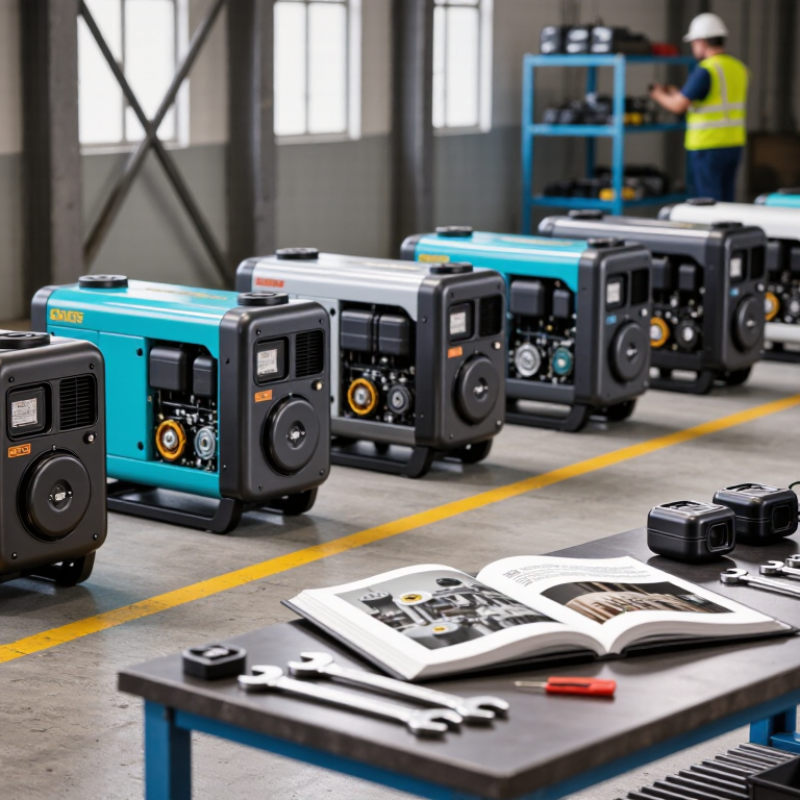
China Top 10 2 Cylinder Diesel Generator Manufacturers?

Understanding Two-Cylinder Diesel Generators and Their Main Applications

Understanding Two-Cylinder Diesel Generators and Their Main Applications

A two-cylinder diesel generator uses two pistons to drive its alternator. Compared with many single-cylinder units, it can deliver steadier operation and handle sustained loads more comfortably. It still produces vibration and engine noise. Mounting, enclosure design, and regular servicing matter.

These generators are often considered for small farms, remote workshops, irrigation pumps, and backup power at modest facilities. A farm might use one to run lights, a water pump, and essential tools during an outage. In a workshop, it may support selected equipment rather than every machine at once. Actual capacity varies by engine design, so check starting-current demands as well as running wattage. Motors can draw a brief surge when they start.

Installation details are easy to underestimate. Place the generator on a stable, level base, allow clear airflow, and keep exhaust away from occupied spaces. Follow the manual for ventilation, oil checks, and service intervals. Dusty conditions can clog filters sooner than expected. Fuel quality and storage also affect reliability. A two-cylinder model is not automatically the best fit; noise, maintenance access, load profile, and local service availability deserve equal attention. I would verify those details before choosing a unit.

An Overview of China’s Two-Cylinder Generator Manufacturing Sector

China’s two-cylinder diesel-generator sector brings together engine machining, fuel-system assembly, alternator matching, and complete-set testing. Manufacturers commonly serve farms, workshops, construction sites, and backup-power users that need compact equipment with steady torque. A typical production line may include cylinder-block inspection, crankshaft measurement, and load testing before shipment. These steps matter: poor alignment or uneven combustion can cause vibration and shorten service life.

The International Energy Agency’s Electricity 2024 report projects global electricity demand will grow by an average of 3.4% annually from 2024 to 2026. This is useful market context, not direct proof of demand for two-cylinder generators. That distinction matters. Buyers should compare rated and standby output, fuel use at partial load, cooling performance, and access to replacement parts. Published figures do not always reflect real operating conditions.

Tips: Ask for a witnessed load-test record and a clear specification sheet. Confirm whether the stated fuel consumption applies at 50%, 75%, or full load. Check the starting method and noise level in person, if possible. Small details matter. A small oversimplification: cylinder count alone does not determine reliability; maintenance quality and component matching matter just as much.

Criteria for Evaluating and Ranking Chinese Manufacturers

China Top 10 2 Cylinder Diesel Generator Manufacturers?

Criteria for Evaluating and Ranking Chinese Manufacturers

A useful ranking should compare evidence, not polished catalogs. For each manufacturer, check whether its two-cylinder diesel generators have clear ratings for continuous and standby output. These figures describe different operating conditions. Ask for test records showing performance under a real electrical load, including voltage stability, fuel use, and operating temperature. A neat brochure is not proof.

Build quality deserves close inspection. Look for documented checks on cylinder components, crankshaft assembly, cooling systems, and wiring. Ask how units perform during cold starts and extended operation, and whether test results can be traced to a specific production batch. Small details matter. A loose connection or poorly fitted fuel line can cause avoidable downtime. Factory audits and sample inspections add useful context, though neither guarantees every machine will perform identically.

Service support should carry meaningful weight in any ranking. Compare spare-parts availability, warranty terms, technical response times, and the clarity of maintenance instructions. Request references from buyers using similar equipment and operating conditions. Be cautious when claims lack measurable evidence. No scoring method is perfect; rankings can also undervalue smaller producers with limited published records. That uncertainty should be stated, not hidden.

Profiles of China’s Top 10 Two-Cylinder Diesel Generator Manufacturers

China’s two-cylinder diesel generator sector includes manufacturers serving farms, workshops, construction sites, and backup-power buyers. A useful profile looks beyond catalog claims. It checks engine configuration, rated output, fuel consumption, starting method, and published test conditions. Details matter. A compact unit may suit a pump shed, while a heavier frame can be easier to service in a busy workshop.

Across ten manufacturer profiles, common strengths include agricultural-engine experience, export packaging, broad power ranges, and access to spare parts. Some makers focus on simple mechanical controls; others offer electric starting and digital monitoring. Buyers should compare continuous and standby ratings carefully. They are not interchangeable. Ask for a specification sheet, noise data, warranty terms, and a clear parts list. Then confirm that the offered unit matches the paperwork.

Factory scale alone tells little. Look for consistent model codes, traceable inspection records, and practical answers about maintenance intervals. A sample run can reveal vibration, exhaust smoke, and starting behavior under load. Not every supplier will provide the same depth of evidence. That gap deserves attention, even when the price looks attractive. These profiles are a starting point, not a substitute for checking the exact generator and its service support.

China’s Two-Cylinder Diesel Generator Manufacturers: A Technical Reference

The chart shows the firing sequence of an idealized, evenly firing, four-stroke, two-cylinder engine. A four-stroke cycle spans 720 crankshaft degrees, so the cylinders fire 360 degrees apart. This is an engineering reference, not a comparison of manufacturer performance.

Comparing Manufacturer Strengths, Product Options, and Support Services

Comparing 2-cylinder diesel generator manufacturers requires more than a low purchase price. Check rated and standby output, fuel use at 50% and 75% load, voltage stability, and documented factory testing. The International Energy Agency’s Electricity 2025 report says global electricity demand grew 4.3% in 2024. That wider demand trend makes dependable backup equipment important, but it does not prove any individual generator’s quality.

Look for clear technical documents, including load-test records, alternator details, cooling specifications, and stated service intervals. Ask whether replacement filters, injectors, and starter parts are available locally, and how quickly technical support responds. A useful comparison includes warranty coverage, commissioning guidance, and access to trained service staff. Two machines with similar rated output may behave differently under repeated starts or changing loads. Small details matter. Some supplier claims are difficult to compare when test conditions are missing; request the same test basis from each manufacturer.

Tips: Request a witnessed load test and a written parts list. Confirm noise and fuel figures under stated conditions. Leave room for uncertainty.

Share by: