
China’s hydraulic fittings industry serves construction, agriculture, mining, transportation, and industrial equipment markets worldwide. This guide introduces ten manufacturers that appear noteworthy for product range, production capability, quality systems, and export experience. The selection is not an absolute ranking. Supplier performance can change with ownership, equipment, certifications, and customer requirements.
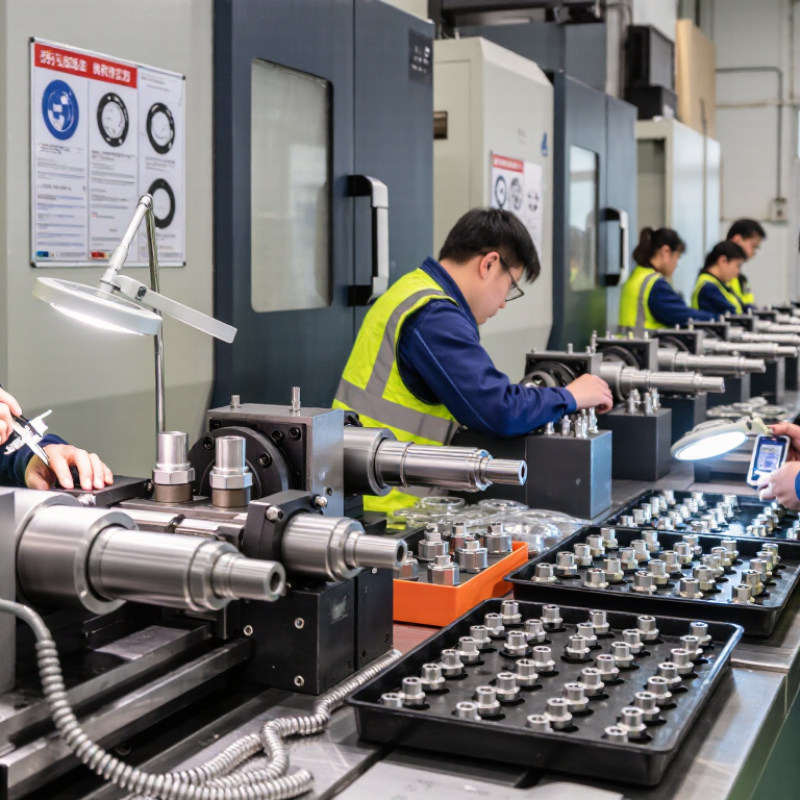
Hydraulic Fittings must withstand pressure, vibration, temperature changes, and repeated assembly. A reliable manufacturer should control raw materials, machining accuracy, heat treatment, surface finishing, and final inspection. Look for details such as stainless steel or carbon steel grades, thread standards, pressure ratings, sealing methods, and batch traceability. Factory photographs can help, but they are not enough. Independent test reports, calibration records, and clear technical drawings offer stronger evidence.
Real purchasing decisions often begin with small details. A clean thread, consistent plating, and correctly packed O-rings can prevent costly leakage. Ask whether samples match mass production. Ask how rejected parts are recorded. These questions matter.
The featured companies may support OEM projects, standard replacement needs, or customized assemblies. Their capabilities, however, are not identical. One supplier may excel at precision adapters, while another may focus on large-volume production. Public information can also be incomplete, outdated, or overly promotional. That limitation deserves attention. Buyers should verify certifications, lead times, minimum order quantities, testing procedures, and after-sales support before signing contracts. With careful comparison, this overview can help engineers, distributors, and procurement teams identify suitable Chinese manufacturers and build a more dependable sourcing process.
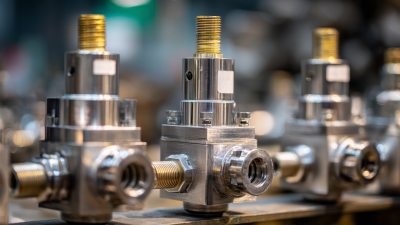
Hydraulic fittings are precision connectors that join hoses, tubes, valves, and cylinders in fluid power systems. They guide pressurized oil through a controlled path. Common designs include threaded, flared, compression, and quick-connect fittings. Each type suits different pressure levels, tube materials, and maintenance conditions.
Their main functions include sealing fluid, controlling direction, and supporting safe system assembly. A reliable fitting must resist vibration, corrosion, temperature changes, and repeated pressure cycles. In field inspections, technicians often check thread condition, seal damage, surface scratches, and improper alignment. Cleanliness matters. One small particle can damage a valve or reduce system efficiency. Torque settings should follow verified technical data, not personal judgment. Over-tightening may distort the fitting or crush a sealing surface.
Hydraulic fittings serve construction equipment, agricultural machinery, factory automation, mining systems, marine equipment, and mobile lifting platforms. For example, an excavator may use high-pressure fittings near its boom cylinder, where movement and vibration are constant. Food-processing and chemical facilities may require corrosion-resistant materials and strict cleaning procedures. Standards such as ISO 8434 and SAE specifications help engineers compare dimensions, pressure ratings, and connection performance. Still, specification alone is not enough. A fitting can appear suitable yet fail after installation if the hose bends sharply or contamination enters the line. That practical gap deserves more attention during design reviews and maintenance training.
China’s hydraulic fittings industry is built around standards, material control, and repeatable machining. ISO 8434 covers metallic tube connections, while ISO 12151 addresses hose fittings. SAE J514 remains common in export specifications. These references define threads, sealing surfaces, dimensions, and pressure performance. Small deviations can cause leakage.
Material choice follows pressure, corrosion, and operating temperature. Carbon steel offers strength and cost efficiency. Stainless steel performs better in marine or chemically aggressive environments. Brass suits lower-pressure applications, but it is not a universal solution. Manufacturers commonly use cold forming, CNC turning, deburring, heat treatment, and zinc-based surface protection. ISO 19879 testing can verify assembly performance, leakage resistance, and burst pressure.
Market data gives useful context. MarketsandMarkets’ 2024 hydraulic equipment study projects the global market to grow at roughly 5% annually through 2029. China’s large machinery, construction, and agricultural sectors continue to support demand for locally produced connections. However, growth does not automatically prove quality. Factory audits should examine thread gauges, raw-material certificates, coating thickness, cleanliness, and batch traceability. In practice, the overlooked detail is often internal contamination. A fitting may look perfect outside. It can still damage a valve or pump. Standards help, but inspection discipline remains uneven, and that deserves honest reflection.
Choosing a leading manufacturer requires more than checking export volume. Real experience starts with the fitting’s working environment. Review pressure ratings, temperature ranges, fluid compatibility, and installation space. A reliable supplier should explain these limits clearly. Ask for material certificates and batch traceability. Stainless steel, carbon steel, and surface coatings behave differently in wet or dusty sites. Small details matter.
Technical capability deserves close inspection. Examine CNC tolerances, thread gauges, deburring, cleaning, and final inspection records. Request sample fittings for dimensional checks and pressure testing. A serious factory can provide test procedures, calibration dates, and nonconformance records. It should also understand common thread standards without guessing. That happens sometimes. Clear drawings prevent expensive misunderstandings.
Authority is supported by evidence, not polished claims. Check quality-system certifications, laboratory competence, production capacity, and documented corrective actions. Visit the facility when possible, or arrange an independent audit. Compare sample quality with mass-production results. Delivery promises should include realistic lead times, packaging details, and spare-part support. Communication is another practical test. Slow answers during quotation may become serious delays after purchase. No supplier is perfect, and a shortlist can be wrong when verification is too shallow.
China’s top ten hydraulic fittings manufacturers represent different strengths, production scales, and engineering traditions. This profile focuses on verifiable capabilities, not advertising claims.
One manufacturer specializes in carbon steel adapters for excavators and loaders. Another produces stainless steel fittings for corrosive environments. A coastal factory focuses on metric fittings and rapid export orders. An inland producer supplies high-pressure connections for agricultural machinery. One workshop is known for custom threads and short production runs. Another combines CNC machining with automated inspection. A larger plant offers tube fittings, hose ends, and hydraulic valves under one quality system.
A seventh manufacturer serves industrial automation with compact fittings and clean surface finishes. An eighth focuses on forged bodies, using batch testing for pressure resistance. A ninth supports OEM projects and adjusts drawings after technical review. The tenth develops reusable fittings for maintenance teams, where quick installation matters. Details count. Thread gauges, sealing surfaces, and deburring quality can decide whether a connection survives vibration.
Factory visits often reveal more than catalogs. Inspectors should check material certificates, calibration records, sample reports, and packaging protection. Some suppliers communicate quickly but provide incomplete test data. That is a weakness worth recording. Others have excellent machining capacity but limited design support. Buyers should compare pressure ratings, temperature ranges, tolerances, and traceability before selecting a supplier. Even experienced teams can overlook installation conditions, especially when different thread standards appear similar.
When evaluating China’s top 10 hydraulic fittings manufacturers, quality begins with material control. Reliable factories verify steel grades, heat treatment, thread accuracy, and surface protection. Each batch should carry inspection records and traceable production data. Small defects can cause pressure loss, leakage, or costly equipment downtime.
Customization matters in real projects. Experienced manufacturers can develop metric, imperial, and special-thread fittings for different systems. They should review drawings, pressure ratings, sealing methods, and installation space before production. Sample testing is essential. A fitting may look correct but fail under vibration or repeated pressure. This is where practical engineering support becomes valuable. No supplier is flawless. Buyers should question unclear tolerances and incomplete test reports.
Export service also reflects professional reliability. Strong suppliers provide careful packaging, multilingual documents, customs support, and stable delivery schedules. They understand that overseas projects need more than a product carton. Certificates, inspection files, and replacement procedures reduce uncertainty. Future industry trends are moving toward automated inspection, digital traceability, corrosion-resistant materials, and lower-waste manufacturing. Smart monitoring may improve maintenance decisions, but it cannot replace sound engineering. I still see buyers choosing low prices before checking long-term compatibility. That mistake deserves more attention.

We have over 30 years of experience in designing complete hydraulic systems, repairs and distribution of fluid power equipment and parts.
FOLLOW US ON :
Address:
4020 SE 45th CT.
Ocala, FL 34480
Phone No:
Email:
sales@cunninghamfluidpower.com