China Best 10Gb SFP Cable Manufacturers for Global Buyers
Choosing a 10gb Sfp Cable is not just a price comparison. Buyers must check reach, fiber type, connector, transceiver compatibility, and vendor support. A cable that fits the port can still fail under a specific switch configuration. Small details matter.
Cisco’s Global Cloud Index forecast that data-center traffic would reach 20.6 zettabytes annually by 2021. That figure is a historical forecast, not a current measurement, but it illustrates the scale of growth driving demand for dependable links. IEEE 802.3ae defines 10 Gigabit Ethernet requirements; buyers should also verify each product’s stated standards compliance. John D’Ambrosia, a veteran Ethernet standards leader, has emphasized the value of interoperability. A practical takeaway from that standards work: verify the complete link, not just the cable label.
This guide compares ten manufacturers for global buyers. It considers documented specifications, compatibility guidance, quality controls, warranty terms, and export support. Look for clear details on length, power, and operating conditions. Ask for test records when the application is critical. Not every supplier publishes the same level of evidence. That gap deserves attention. A polished product page cannot replace a datasheet or a confirmed compatibility check. The right shortlist depends on your equipment, deployment environment, and support needs—not rankings alone.
What 10Gb SFP Cables Are and Where They Are Used
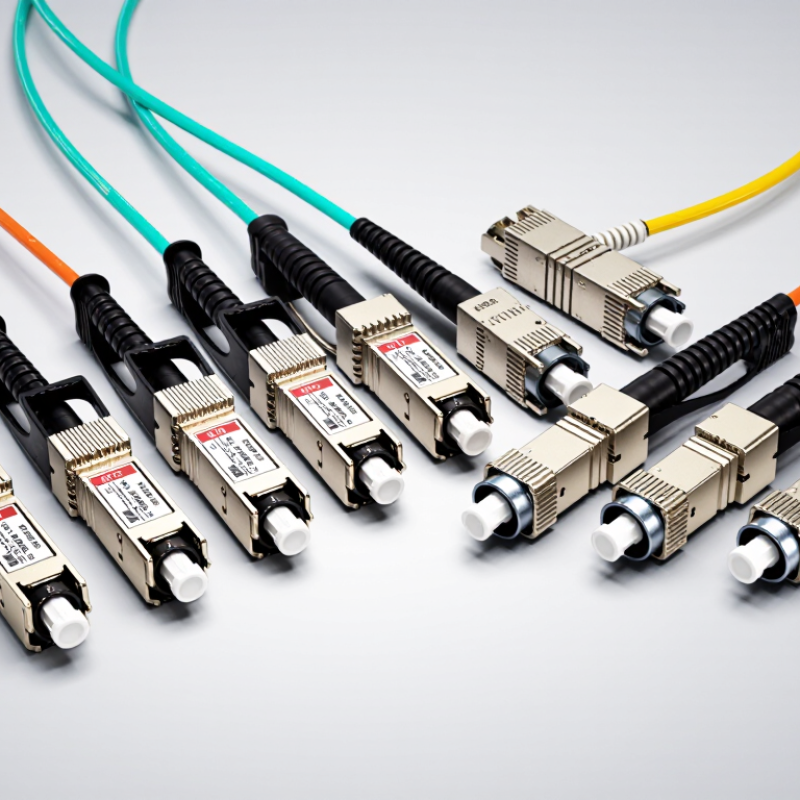
10Gb SFP cables connect network equipment through SFP+ ports, commonly found on switches, servers, and storage systems. A direct-attach copper cable has fixed connectors at both ends and carries electrical signals over a short distance. It can link two devices in the same rack without separate optical modules. Active optical cables use fiber inside the assembly, making them useful for longer links or tighter cable routes. Check the equipment’s port specifications before choosing either type.
These cables are used in data centers, enterprise network rooms, and high-speed storage connections. A short copper cable may neatly connect a top-of-rack switch to a nearby server. Fiber-based options can span rows where copper would be less practical. Actual reach depends on cable design and device support, so a stated data rate alone is not enough. In practice, rack diagrams often omit airflow and cable bends. Those details matter, and they are easy to overlook.
Tips: Confirm port compatibility, required length, and cable type before ordering. Keep bend radius within the maker’s guidance, and label both ends. Test the link after installation. A cable that fits physically may still fail to establish a stable connection.
Key Cable Types, Specifications, and Compatibility Factors
10Gb SFP cabling usually means a direct-attach copper cable, an active copper cable, or an active optical cable. Passive copper DACs suit short links inside a rack, often a few metres long. Active copper can extend that reach, while AOCs use fiber for lighter, longer runs between racks. Check the exact supported distance and connector type; product categories alone do not guarantee fit.
Specifications matter at both ends. Confirm the cable is rated for 10Gb operation and that its length meets the installation plan. For copper, note cable gauge and power requirements, especially in dense racks where airflow and cable bend space are limited. For AOC, check connector orientation and minimum bend radius before routing it through trays. Small detail, big impact.
Compatibility is more than matching SFP+ sockets. Verify the host device supports the cable type, length, and vendor-neutral coding, then confirm both ports recognize the link. A compatibility chart helps, but firmware or platform restrictions can still surprise you. I would not assume that a cable working in one switch will work in another, even when the port labels look identical. Test the intended pair before deployment when possible.
China’s 10Gb SFP Cable Manufacturing Landscape
China’s 10Gb SFP cable manufacturing landscape combines cable processing, connector assembly, and high-speed testing. Suppliers may produce passive copper direct-attach cables for short links, or fiber assemblies for longer runs. The distinction matters: a rack connection needs different materials and validation from a link between rooms. IEEE 802.3 specifications, for example, define 10GBASE-SR operation over multimode fiber, with reach depending on fiber grade.
Demand sits within a wider growth in network traffic. The Annual Internet Report (2018–2023) projected global IP traffic would reach 396 exabytes per month in 2022, compared with 122 exabytes in 2017. That is a forecast, not a current measurement, but it illustrates why reliable, compact links matter. Buyers evaluating Chinese suppliers can ask for insertion-loss results, cable-length checks, and batch-level traceability. Look closely at connector fit and shielding, too. Small defects can cause intermittent links. A low quotation alone proves little. One weakness in many purchasing reviews is overreliance on sample testing; production batches can vary, so repeat checks remain important.
China’s 10Gb SFP+ Cable Manufacturing Landscape
Representative link reach by cable type for global buyers
Reach varies by cable construction, fiber grade, and equipment compatibility. The 300 m figure for 10GBASE-SR is the typical maximum over OM3 multimode fiber; 10GBASE-LR is specified for reaches up to 10 km. DAC and AOC figures shown are representative product reaches, not universal limits.
How Global Buyers Can Evaluate Chinese Manufacturers
A dependable 10Gb SFP cable supplier should explain how its products fit your equipment and operating conditions. Compare supported cable lengths, connector types, power requirements, and compatibility information. Ask for evidence. Request sample test reports and confirm what each report covers, such as link stability or inspection criteria. A polished datasheet is useful, but it cannot prove performance in your own setup.
Review how the manufacturer controls production, not only how it describes the finished cable. Ask whether incoming materials are checked, whether cable assemblies are tested before shipment, and how batches can be traced. Small details matter. Clear labeling and consistent packaging can reduce receiving errors across warehouses. Response quality matters, too: specific answers about lead times, defects, and technical support are more useful than broad promises.
Before placing a large order, test samples with the intended switches and installation layout. Record connection stability, cable fit, and any clearance issues around crowded ports. Then compare the results with the supplier’s stated specifications. Even a careful review can miss problems that appear only after installation, so keep communication open during the first production order. One imperfect point: buyers may not have time to inspect every unit, making reliable sampling and documented quality checks especially important.
Sourcing, Quality Checks, and International Delivery Considerations
For global buyers evaluating China-based 10Gb SFP cable manufacturers, sourcing starts with a precise interface brief. Specify the SFP+ port type, cable length, passive or active design, and host equipment before requesting prices. A low quote is not useful if the cable fails link negotiation. Request datasheets and sample units matching the intended production configuration. Check connector seating, jacket finish, label accuracy, and stated operating range. Then test samples with the actual switch or server, not only a bench tester. Small details matter. Keep test records linked to lot numbers; they can help trace intermittent faults. One limitation remains: a passing sample cannot guarantee every production batch.
Before ordering, confirm lead time, delivery terms, insurance responsibility, and who prepares shipping documents. Make sure product descriptions and quantities match across invoices and packing lists. Import procedures vary by destination, so buyers should verify local requirements with a qualified logistics provider. Protect connectors with dust caps and use packaging that limits movement during transit. Ask for carton dimensions, gross weight, and tracking details before dispatch. Air freight may shorten transit, but it can raise costs. Sea freight may need more schedule flexibility. Paperwork can be correct while a shipment still runs late; build in a buffer and confirm progress before the planned ship date.