

What Are the Top Bending Machine Manufacturers?

Choosing among the top Bending Machine manufacturers takes more than comparing brand names. A shop bending thin aluminum panels has different needs from a plant forming thick steel plate. The right shortlist depends on material, bend length, production volume, and required accuracy. Small details matter: a backgauge that positions stock reliably, clear CNC controls, and tooling that fits the work can shape daily output.

Taiichi Ohno, a respected manufacturing expert, wrote, “Where there is no standard, there can be no kaizen.” That principle applies when comparing machines. Ask each supplier to demonstrate the same part, using your material and target tolerances. Watch how the operator loads the sheet, checks the angle, and corrects springback. Then compare repeatability, setup time, training, and access to service. Specifications are useful. A real production trial is better.

This guide examines leading manufacturers through practical criteria, including machine range, control systems, build quality, customization, and after-sales support. Availability and service can differ by region, so a famous name may not be the best local choice. Rankings also have limits. A machine that performs well in one workshop may be poorly matched to another. The comparison should help buyers ask sharper questions, not replace a careful technical review.
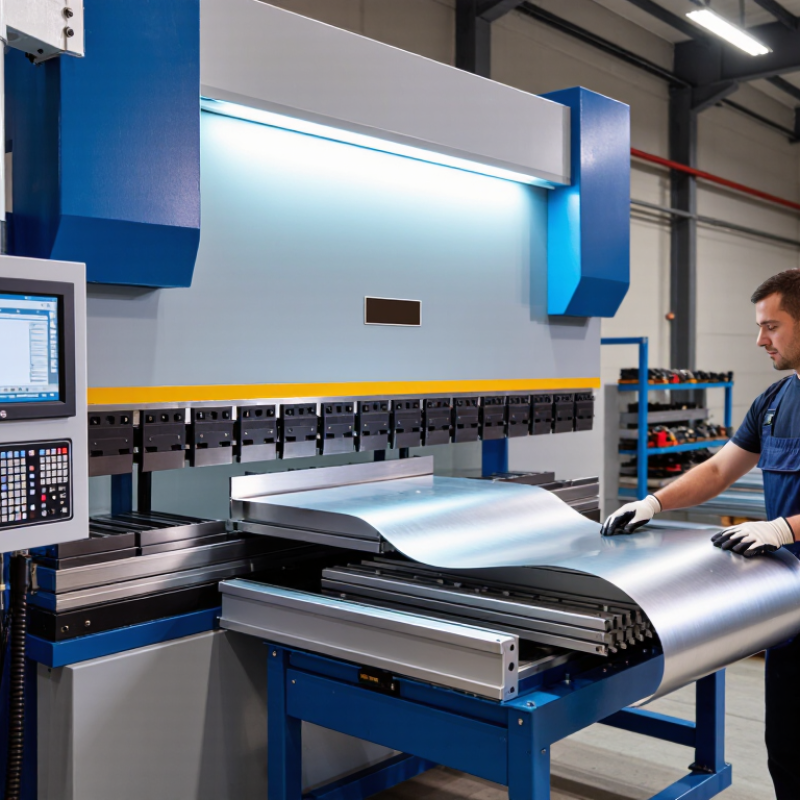
What Are the Top Bending Machine Manufacturers?

What Bending Machines Are and How They Are Used

A bending machine shapes sheet metal or plate by applying controlled force along a chosen line. In a press brake, a punch pushes material into a die, creating angles such as a right bend. Other bending systems use rollers to form broad curves in long sheets. Machine type, tooling, material, and thickness all affect the result. Operators use these machines to make enclosures, brackets, panels, ductwork, and structural parts. Small setup changes can alter the final angle. That’s worth checking.

Tips: Confirm material thickness and grain direction before setup. Make a test bend with a sample piece, then measure the angle and flange length. Keep hands clear of pinch points, and follow the machine’s operating instructions. A careful setup saves material.

After bending, metal may spring back slightly, so the finished angle can differ from the programmed one. Experienced operators often make a small adjustment and test again. Results can still vary between material batches; that’s an imperfect part of real production. Choose tooling that supports the sheet securely, and inspect finished parts for cracks, marks, or uneven bends.

What Are the Top Bending Machine Manufacturers? - What Bending Machines Are and How They Are Used

Machine Type How It Bends Typical Materials and Workpieces Common Uses Key Selection Criteria
Press brake A punch presses sheet or plate into a die to create straight bends. Machines may use hydraulic, electric, or hybrid drive systems. Sheet metal and plate, including common steels, stainless steel, and aluminum; thickness and bend length depend on machine capacity and tooling. Enclosures, brackets, cabinets, frames, and formed panels. Bending force, working length, backgauge capability, controller features, tooling compatibility, and safety systems.
Tube and pipe bender Forms a tube or pipe around a bend die. Depending on the design, it may use rotary-draw, compression, roll, or mandrel bending. Round, square, or rectangular tube and pipe in materials such as steel, stainless steel, copper, and aluminum. Handrails, vehicle structures, furniture, frames, and fluid-conveying lines. Supported tube dimensions, bend radius, material limits, bend-angle control, tooling range, and whether mandrel support is needed.
Roll bender Passes material between adjustable rolls to produce a gradual curve or cylindrical shape. Sheet, plate, flat bar, and—in suitable machines—profiles or sections. Tanks, curved panels, cylinders, ducts, rings, and architectural components. Maximum material thickness and width, minimum rolling diameter, number and arrangement of rolls, and pre-bending capability.
Panel bender Uses clamping and bending tools to form sheet-metal flanges, often with automated material handling. Sheet-metal blanks; appropriate material thickness depends on the machine configuration and tooling. Cabinet doors, electrical enclosures, appliance panels, and other repeatable panel parts. Part size range, bend sequence flexibility, automation options, changeover time, and integration with production systems.
Folding machine Clamps the workpiece and raises or lowers a folding beam to make a straight bend. Sheet metal and thin plate within the machine’s specified working range. Roofing and cladding components, trays, channels, and long straight-folded parts. Working length, material capacity, folding-beam geometry, angle adjustment, handling support, and operator protection.

Note: Capacity varies with material grade, thickness, tooling, bend geometry, and machine configuration. Confirm the manufacturer’s specifications and application requirements before selecting a machine.

How Leading Bending Machine Manufacturers Are Evaluated

How Leading Bending Machine Manufacturers Are Evaluated

A manufacturer’s brochure can show capacity, but shop-floor evidence matters more. Buyers should compare bend-angle consistency, repeatability, tooling changes, and performance across the materials they actually process. Ask for a sample run using your own drawings and sheet thicknesses. Measure the first and last parts. Small deviations can become costly across a long production batch.

Automation readiness deserves careful scrutiny. The International Federation of Robotics’ World Robotics 2024 report recorded 541,302 industrial robots installed worldwide in 2023, up 4% from 2022. That figure covers all industrial robots, not bending machines, but it signals growing factory automation. Check whether a machine supports practical robot interfaces, safe cell integration, and accessible programming—not just a polished demonstration. Numbers need context.

Independent verification should carry weight. For numerically controlled axes, ask whether positioning accuracy and repeatability were tested using methods aligned with ISO 230-2. Review the test conditions; a result without temperature, load, or measurement details is hard to compare. Also examine service response times, spare-parts availability, operator training, and energy use. A low purchase price may hide slower setup or costly downtime. No scorecard is perfect. I would still want to see the machine run a difficult real-world part before deciding.

Profiles of Major Bending Machine Manufacturers

Major bending machine manufacturers often build their expertise around distinct production needs. Some focus on press brakes for sheet-metal shops, where accurate ram movement and repeatable backgauges matter. Others specialize in automated panel benders, designed to handle frequent part changes with less manual repositioning. Their machines may differ in tooling systems, control interfaces, and available working lengths. Small details count. A clear setup screen can save time during a busy shift.

Heavy-duty equipment makers serve users forming thick plate or long sections. Their designs typically emphasize frame rigidity, bending force, and support for large workpieces. By contrast, manufacturers serving compact workshops may prioritize a smaller footprint and straightforward controls. These are broad profiles, not guarantees: models from the same maker can vary considerably. Check the specifications.

A useful manufacturer profile should explain more than machine capacity. Look for documented accuracy ranges, installation requirements, operator training, parts availability, and service response expectations. Ask how performance is tested and whether the quoted configuration includes the tooling your parts require. A polished brochure is not enough. Compare sample bends, clarify what support is local, and review the details in writing. Some differences only become obvious after installation, and buyers can underestimate that.

Key Technologies and Product Differences

What Are the Top Bending Machine Manufacturers?
Key Technologies and Product Differences

Bending machines differ in how they generate force and control each bend. Hydraulic models handle heavy work reliably, but may use more energy while idle. Electric servo machines often offer fast, precise movement and lower standby consumption. Hybrid designs combine hydraulic force with servo control. The best fit depends on material thickness, part size, and production volume.

CNC controls coordinate the ram and backgauge, helping operators repeat complex bends. Some systems add angle sensors that measure a flange during forming and adjust the stroke. Automatic crowning can compensate for beam deflection across long parts. These features can reduce trial bends, but they do not replace sound setup. Tool condition still matters. So does operator skill.

Compare more than rated tonnage. Check usable bending length, positioning accuracy, tooling compatibility, safety features, and access to technical support. Ask for sample bends using your own material and inspect the angle at several points along the part. Tiny details matter. A small caveat: published cycle times may not reflect real production, especially when handling large sheets. Review the machine’s fit against actual jobs before choosing.

Press Brake Technology: Typical V-Die Opening by Sheet Thickness

A practical air-bending rule of thumb for mild steel is to use a V-die opening about 6–8 times the sheet thickness. Actual tooling choices depend on material, bend radius, and machine setup.

This process guideline is not a manufacturer ranking. When comparing bending machines, consider drive technology (hydraulic, electric, or hybrid), force capacity, control system, and tooling compatibility.

How to Choose a Manufacturer for Specific Production Needs

A strong bending machine manufacturer is not simply the one with the widest product range. The right fit depends on your material, part dimensions, daily volume, and acceptable bend variation. A shop forming thin aluminum panels may need different tooling and controls from a plant bending thick steel brackets. Share sample drawings and realistic production figures before comparing quotations. Ask how the machine handles your tightest bend radius and longest workpiece. Details matter.

Tips: Request a trial bend using your material. Check the finished angle, repeatability, setup time, and tool marks. Ask what maintenance tasks operators can perform themselves, and how quickly common replacement parts are available. Get answers in writing.

Also evaluate training, installation support, and the clarity of the control interface. If operators switch between short runs, quick setup and saved programs may matter more than maximum tonnage. For long production runs, cycle consistency and service response deserve closer attention. A low quote can look reassuring, but it may exclude tooling or commissioning. Compare the full operating picture, not just the machine price. I would still leave room for a little uncertainty: actual results depend on material variation and operator skill, so verify performance with your own parts.

Share by: