Top Box Manufacturing Machine Trends for 2026 What to Know?
The landscape of box manufacturing is rapidly evolving. In recent years, Box Manufacturing Machines have become more sophisticated, aligning with industry demands. According to a report from Smithers Pira, the global market for box manufacturing is projected to grow at a CAGR of 4.9% through 2026. This growth highlights the increasing need for efficiency and innovation in production.
Recent trends reveal that automation will drive the future of box manufacturing machines. Increased productivity and reduced error rates are potential benefits. However, balancing automation with skilled workforce needs poses challenges. Companies must adapt to these changes or risk falling behind.
Sustainability also plays a pivotal role. The demand for eco-friendly packaging solutions is pushing manufacturers to explore new materials and processes. Many are investing in technology to meet these expectations. Yet, the transition may not be seamless. Embracing these trends requires thoughtful reflection on existing practices and readiness for change in the box manufacturing sector.
Key Innovations in Box Manufacturing Machines Anticipated for 2026
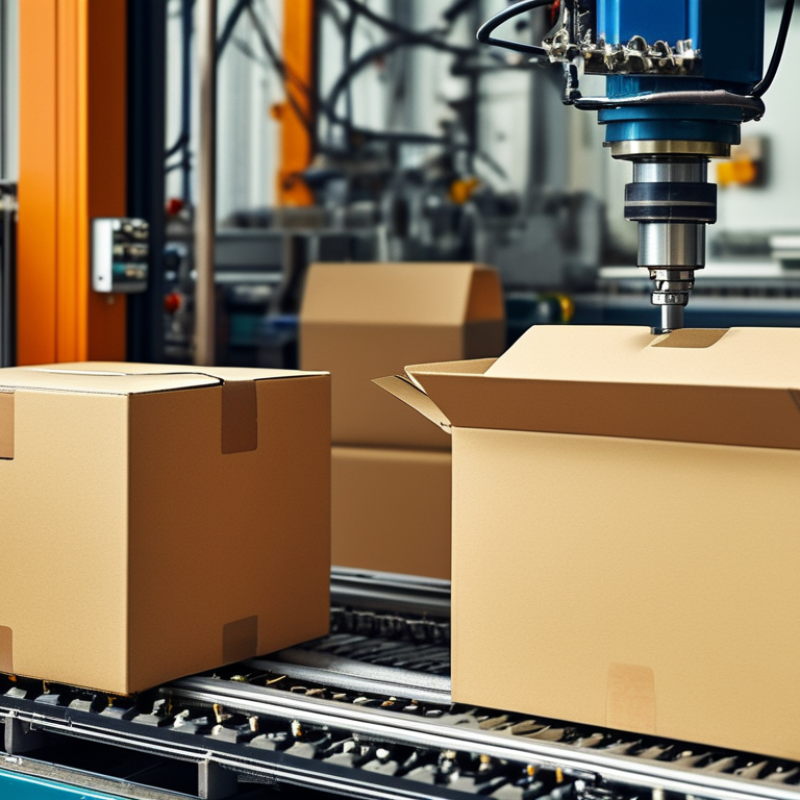
As we look towards 2026, the box manufacturing industry is on the brink of significant transformation. Key innovations are expected to emerge, driven by advancements in automation and smart technology. Reports indicate that the market for automated box manufacturing machines is projected to grow by over 20% annually. This growth reflects how vital efficiency and sustainability have become in manufacturing practices.
New machine designs are anticipated to focus on reducing waste and increasing production speeds. Technologies like AI and IoT are set to play a crucial role. Real-time monitoring and predictive maintenance can reduce downtime by nearly 15%. Manufacturers will likely implement digital twins, enhancing design accuracy and production workflows.
Tips: Implementing smart sensors can significantly decrease production errors. Regular training for operators on new technologies is vital to ensure seamless transitions. Consider leveraging data analytics to forecast demand and optimize inventory management. The move towards sustainability is also key; machines that minimize material waste should be prioritized.
Sustainability Trends Influencing Box Production Technologies
Sustainability is reshaping box production technologies. As demand for environmentally friendly packaging rises, manufacturers adapt. According to a recent industry report, 72% of consumers prefer sustainable materials. This shift influences how boxes are designed and produced.
Recycled materials are becoming the norm. Utilization rates of recycled fiber increased by 30% over the past five years. Innovations, such as water-based adhesives, are also gaining traction. These changes not only promote sustainability but also reduce harmful emissions during production. However, some manufacturers struggle to balance quality and eco-friendliness.
Automation plays a critical role. Advanced machinery reduces waste and increases efficiency. A study found that automated processes can cut production costs by up to 15%. Yet, the initial investment in technology can be steep. Smaller enterprises may find it hard to keep up. The journey towards sustainable practices in box manufacturing is challenging but essential for future growth.
Impact of Automation and AI on Box Manufacturing Efficiency
In the box manufacturing sector, automation and AI are transforming operations. Machine learning algorithms analyze production data in real-time, optimizing workflows. This leads to reduced downtime and increased output. Robots can perform repetitive tasks, enhancing precision and speed. Such advancements cut labor costs and minimize human error.
However, reliance on technology comes with challenges. Over-automation can lead to job losses and workforce displacement. Workers may need new skills to adapt to advanced machinery. Some manufacturers might face difficulties integrating these technologies into existing systems. Training programs must evolve to ensure a smooth transition.
Moreover, the impact of AI raises questions about data security. As machines become more interconnected, securing sensitive information is crucial. Cybersecurity must keep pace with these innovations. Leaders in the industry need to balance efficiency with the ethical implications of AI implementation. Being proactive is essential for sustainable growth in this evolving landscape.
Emerging Materials Shaping the Future of Box Manufacturing
The future of box manufacturing is increasingly influenced by innovative materials. In 2026, emerging materials will take center stage, transforming products. Lightweight composites and bio-based materials are gaining traction, offering sustainability without compromising strength. These materials can significantly reduce the environmental impact of packaging.
Tips: Consider exploring various materials in your production line. Test biodegradable options. Evaluate how they perform during shipping.
Moreover, recycled materials will become more mainstream. Companies are seeking to minimize waste by utilizing post-consumer products. This shift is not just beneficial for the planet; it can lower production costs and appeal to environmentally conscious consumers. However, sourcing these materials can be challenging. It's essential to find reliable suppliers to maintain quality.
Tips: Build a strong network of suppliers. Start small and scale up. Monitor market trends for new material options.
In addition, smart materials that respond to environmental changes will shape the manufacturing landscape. These responsive materials can adapt to humidity and temperature variations, ensuring product integrity. Staying ahead of these trends requires continuous research and adaptation.
Top Box Manufacturing Machine Trends for 2026
| Trend | Description | Emerging Materials | Impact on Production |
| Sustainable Materials | Increased focus on recyclable and biodegradable materials in box manufacturing. | PLA (Polylactic Acid), Recycled Paperboard | Reduces environmental impact, attracts eco-conscious consumers. |
| Smart Manufacturing | Integration of IoT devices to optimize manufacturing processes. | Smart Sensors, Data Analytics Platforms | Enhances efficiency and reduces production downtime. |
| 3D Printing | Utilization of 3D printing technology for custom box designs. | Biodegradable Filaments, Composite Materials | Allows for quick prototyping and reduced waste. |
| Automation | Increased use of robotic systems for packing and handling. | Lightweight Alloys, Advanced Plastics | Increases speed and precision in manufacturing processes. |
Market Dynamics and Consumer Preferences for Packaging Solutions in 2026
In 2026, the demand for innovative packaging solutions is set to reshape the box manufacturing industry. A recent report from Smithers predicts that the global packaging market will reach $1 trillion by 2026. This growth will push manufacturers to adopt sustainable practices. Consumers are increasingly valuing eco-friendly materials, pushing for recyclable and biodegradable options. About 70% of consumers consider sustainability as a key factor in their purchasing decisions.
Market dynamics reveal a shift in preferences. Consumer trends indicate a demand for personalization and convenience. Packaging that enhances product visibility and enables easy opening is gaining traction. Furthermore, 55% of consumers want minimalistic designs in their packaging. This trend emphasizes clear messaging and brand storytelling. Companies must adapt to these preferences to stay competitive.
As technology advances, automation in box manufacturing is on the rise. Automated machines offer better efficiency and precision. However, the initial investment can be daunting for smaller businesses. Balancing cost and innovation remains a challenge. The industry must navigate these dynamics while ensuring quality and addressing consumer expectations.