China Top 10 Hydraulic Unit Manufacturers to Buy From?
China’s hydraulic manufacturing base has become a serious sourcing option for construction, agricultural, mining, and industrial equipment buyers. Its factories now offer complete Hydraulic Unit assemblies, including pumps, valves, cylinders, reservoirs, filters, and control systems.
Industry forecasts support this growing importance. Fortune Business Insights valued the global hydraulic equipment market at approximately USD 49.49 billion in 2023. Its report projects continued expansion through 2032, driven by automation, infrastructure investment, and heavy machinery demand. Grand View Research also identifies Asia-Pacific as a major regional market, supported by manufacturing growth and rising equipment replacement needs. Estimates differ between reports. That difference deserves attention.
Market size alone cannot identify a dependable supplier.
This guide reviews China’s top ten Hydraulic Unit manufacturers from a buyer’s practical perspective. It considers manufacturing experience, product range, export capability, testing procedures, customization support, and after-sales communication. Where available, we also examine ISO 9001 certification, ISO 4413 design practices, pressure testing records, and application references. These details matter when a unit must operate beside a dusty excavator, inside a compact factory line, or under continuous agricultural loads.
A low quotation may look attractive. It may hide risk.
Buyers should verify material grades, seal compatibility, rated pressure, delivery records, and spare-parts availability before placing an order. Supplier rankings are never completely objective, and this list may require revision as factories expand or quality changes. That is a useful limitation to acknowledge. The strongest choice is not always the largest manufacturer, but the supplier that consistently matches technical requirements, documentation standards, and real operating conditions.
What Is a Hydraulic Unit and How Does It Work?
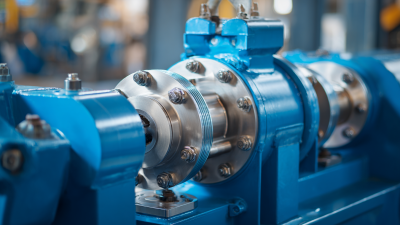
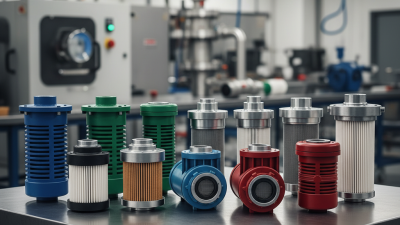
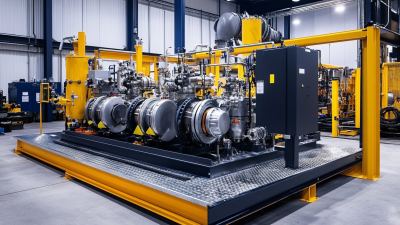
A hydraulic unit is a compact system that creates, controls, and delivers pressurized fluid. It usually contains a reservoir, pump, motor, valves, filters, and pressure gauges. The pump draws oil from the tank and pushes it through narrow passages. Pressure develops when the fluid meets resistance from a cylinder or hydraulic motor.
The valve directs flow and controls movement. A cylinder may then extend to lift a platform, clamp a workpiece, or press metal. The return line carries oil back to the reservoir, where heat and contaminants can be managed. It is not magic. Flow determines speed, while pressure determines force. A larger pump may increase speed, but it can also create more heat and energy loss.
In practical maintenance, I check oil level, hose connections, filter condition, and unusual noise before testing performance. A whining pump may indicate air, blocked suction, or insufficient fluid. Small leaks deserve attention; they can become serious failures under high pressure. I have also found that clean oil matters more than many buyers expect. However, component sizing is not always perfect in real installations. Ambient temperature, duty cycles, and uneven loading can change results. Engineers should verify pressure ratings, relief-valve settings, and emergency stopping arrangements before operation. A reliable hydraulic unit depends on correct design, careful assembly, and regular inspection.
Key Criteria for Evaluating Hydraulic Unit Manufacturers
When comparing China’s top hydraulic unit manufacturers, evaluate evidence rather than polished catalogs. Ask how long the factory has built similar systems and request recent project references. Experienced engineers should explain pressure, flow, temperature, and duty-cycle choices clearly. Vague answers deserve caution.
Inspect the production process closely. Reliable manufacturers should provide material records, assembly procedures, pressure-test reports, and inspection data. Check whether each unit receives documented testing before shipment. Certifications can support credibility, but they do not replace factory audits. Review response times, spare-parts planning, warranty terms, and technical support in writing. A low price may hide weaker valves, limited testing, or costly downtime. I have seen specifications look excellent until operating conditions were discussed in detail. That mistake is easy to repeat.
Tips: Send the same technical brief to every supplier. Include drawings, oil type, working pressure, cycle time, ambient temperature, and installation limits. Compare test methods, not only prices. Request a sample inspection or live video audit when travel is difficult. Ask who approves design changes. Small details matter. Also, confirm delivery capacity through production schedules and actual lead-time records. Some manufacturers communicate confidently but lack consistent documentation. That does not always mean poor quality, but it requires closer verification.
China’s Top 10 Hydraulic Unit Manufacturers
China’s top 10 hydraulic unit manufacturers are often evaluated by engineering depth, production control, and after-sales reliability. A strong manufacturer should offer complete hydraulic units, not only individual valves or pumps. Its team should understand pressure loss, oil contamination, heat balance, and cylinder matching. These details affect machine performance every working day.
During supplier evaluations, buyers should inspect machining areas, assembly benches, and pressure-testing records. Look for clean oil ports, labeled components, protected wiring, and traceable test data. A dependable factory can explain its testing pressure, leak limits, noise readings, and expected service intervals. It should also provide drawings, manuals, spare-part guidance, and practical commissioning support. Ask difficult questions.
The best candidates usually support customized flow rates, tank sizes, motor ratings, and control methods. They should adapt units for construction equipment, industrial machinery, material handling, and agricultural systems. Delivery capability matters too. A low quotation may hide weaker seals, limited testing, or uncertain replacement parts. That risk is easy to underestimate. One useful improvement is visiting the factory before placing a large order. Photos are helpful, but they cannot reveal every assembly habit. Buyers should compare at least three technical proposals and record every assumption before approval.
China Top 10 Hydraulic Unit Manufacturers to Buy From
Typical working-pressure benchmarks by hydraulic power-unit application. These industry ranges are provided for procurement comparison and do not represent any individual company or brand.
How to Select and Purchase the Right Hydraulic Unit Supplier
Selecting a hydraulic unit supplier begins with the machine, not a sales brochure. Define flow rate, operating pressure, duty cycle, fluid type, temperature, mounting space, and control method. Record peak loads, not only average readings. A unit sized for normal pressure may fail during cold starts or sudden load changes. Keep drawings and interface dimensions available. Small omissions cause expensive redesigns.
Ask for material specifications, test procedures, traceability, and documented quality controls. A reliable supplier should explain the pump, valves, reservoir, filtration, and relief settings clearly. Request performance curves and a sample inspection report. Verify whether every unit receives pressure, leakage, noise, and cleanliness testing before shipment. Review technician qualifications and response times. A low price means little if replacement seals arrive late. Consider energy use, maintenance access, spare parts, warranty terms, and training. Site audits or video inspections can reveal poor storage, loose wiring, or inconsistent labeling. Do not trust polished photos alone.
Request a written quotation with exclusions, tolerances, delivery milestones, packaging details, and commissioning support. Compare equivalent configurations, not headline prices. A small pilot order can expose fitting errors, unclear manuals, or slow technical support before full production. No checklist is perfect. Even careful specifications can miss a real operating condition. Leave room for testing, feedback, and correction. That is uncomfortable, but useful. Choose a supplier willing to document problems honestly and improve the design with measurable evidence.