China Top Foil Stamping Machine Suppliers?
Choosing China’s top Foil Stamping Machine suppliers requires more than comparing online prices. A reliable supplier should demonstrate manufacturing experience, technical knowledge, and consistent after-sales support. Product photographs are not enough.
This guide examines suppliers through practical purchasing criteria. These include machine structure, stamping speed, foil-saving systems, pressure control, heating accuracy, and compatibility with paper, plastics, leather, or coated materials. A serious manufacturer should explain these details clearly. It should also provide test samples, operating videos, maintenance guidance, and transparent warranty terms.
Look closely at the factory.
A useful evaluation may include factory audits, production records, export experience, and customer references. Buyers should confirm whether the supplier builds key components or outsources them. Spare-part availability matters, especially for heating elements, pneumatic systems, controllers, and stamping plates. Technical support in English can also reduce delays during installation.
However, no supplier ranking remains perfect forever. New factories may improve quickly, while established companies can weaken their service. Some impressive websites reveal limited engineering capacity after technical questions are raised. That is easy to miss.
This introduction provides a balanced starting point for identifying reputable Chinese manufacturers. It focuses on evidence rather than exaggerated claims. Readers should still request current quotations, machine demonstrations, compliance documents, and written service commitments before purchasing. Requirements differ between small workshops and high-volume packaging plants. The best choice depends on material, production volume, budget, and local safety regulations. A careful comparison often prevents expensive adjustments later.
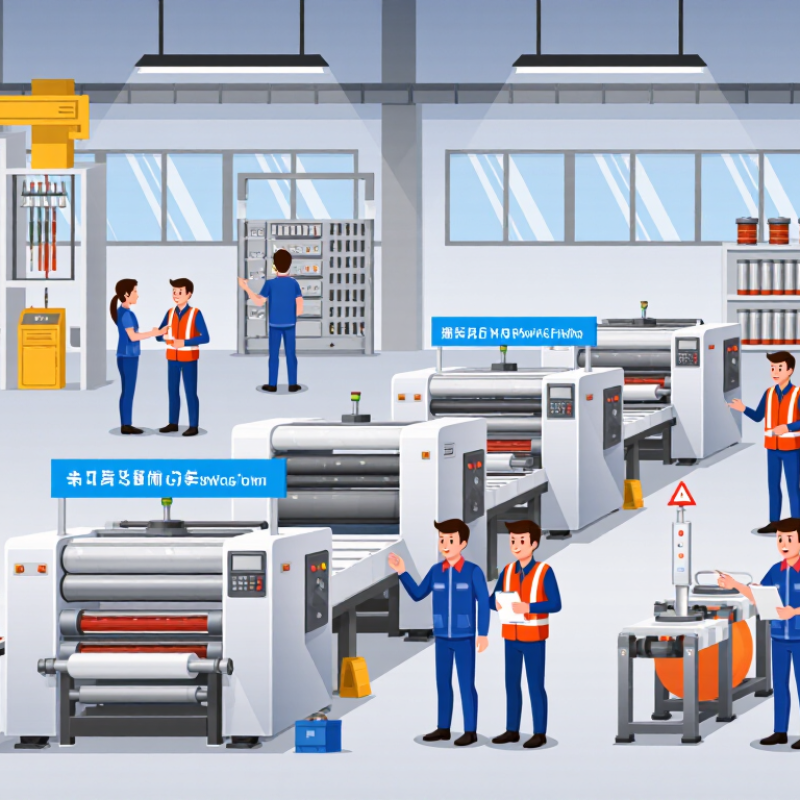
What Is Foil Stamping? Key Processes, Materials, and Industry Terms
Foil stamping is a dry finishing process that transfers a thin foil layer onto paper, board, plastic, or coated labels. A heated metal die presses the foil against the substrate. Heat, pressure, and dwell time activate the release and adhesive layers. The result is a sharp metallic, pigment, holographic, or matte effect.
Hot stamping uses a heated die. Cold foil uses adhesive and UV curing instead. Key terms include makeready, registration, pressure, dwell time, and web tension. Foil commonly contains a PET carrier, release coating, lacquer, metalized layer, and adhesive. Substrate moisture matters. Uneven board can create missing spots or dull edges.
Smithers valued the global packaging market at more than US$1 trillion in recent industry research, while Grand View Research reported strong growth in packaging printing through 2030. These figures help explain continued investment in finishing equipment. However, market growth does not guarantee stable production.
A practical warning: higher stamping speed can increase waste when registration control is weak. Small details matter.
When comparing China-based machine suppliers, buyers should request verified samples, pressure-control data, maximum foil width, die temperature stability, and service response times.
Ask for tests using your actual stock. Glossy coated paper may behave differently from recycled board. Even experienced operators adjust settings repeatedly. That is not failure; it is part of process control. Supplier claims still need independent testing.
How Foil Stamping Machines Work: Heat, Pressure, Dwell Time, and Speed
Foil stamping machines transfer a metallic or pigmented layer onto paper, board, leather, or approved synthetic materials. Heat activates the foil’s release and adhesive coating. Pressure then presses the heated die against the substrate. Too little heat can create pale, broken images. Too much heat may blur edges or damage delicate stock. Pressure must remain even across the entire platen. Small details matter.
Dwell time is the period when heat and pressure stay engaged. A longer dwell can improve coverage on textured materials, but it may slow production and increase marking. Machine speed changes the real dwell time and affects foil registration. At high speed, the foil may not separate cleanly. At low speed, excess heat can build around fine lettering. The first setting is rarely perfect. Operators should test a small sheet, inspect solid areas, and adjust one variable at a time.
When comparing China-based suppliers, buyers should request sample results, temperature-control accuracy, pressure adjustment ranges, and maintenance instructions. A reliable supplier should explain how the machine handles different foil widths and substrate thicknesses. Ask for measurable data, not only attractive photographs. Check whether replacement heaters, sensors, and compatible dies are readily available. Some specifications look impressive but reveal little about daily stability. A careful trial using your actual artwork and material is more useful than a quick demonstration.
How Foil Stamping Machines Work: Heat, Pressure, Dwell Time, and Speed
Typical starting points shown as the percentage position within a commonly used operating window.
Heat softens the foil adhesive, pressure transfers the foil to the substrate, and dwell time allows bonding to occur. Higher production speed reduces available dwell time, so temperature, pressure, and tooling conditions must be balanced. Typical operating windows vary with foil construction, substrate, die design, and machine configuration.
Critical Specifications: Foil Width, 15–150 m/min Speed, and 10–200°C Control
China Top Foil Stamping Machine Suppliers?
Choosing a foil stamping machine requires more than comparing catalog prices. Foil width determines usable production area, material waste, and changeover time. A machine should match your actual roll width, not an optimistic future estimate. Ask suppliers for tested samples using your foil, substrate, and artwork.
Speed claims often range from 15 to 150 m/min. That range is wide. However, maximum speed may reduce registration accuracy or transfer quality. During factory evaluations, inspect output at several speeds, especially near 100 m/min. Check fine lettering, solid areas, and repeated patterns. Request recorded production data, maintenance intervals, and operator training details. Reliable suppliers explain limitations clearly.
Temperature control from 10 to 200°C supports different foils and substrates. Stable heating matters more than the headline maximum. Measure temperature uniformity across the stamping zone, not only the controller display. A practical trial should record warm-up time, temperature fluctuation, pressure settings, and foil tension. Small changes can create dull patches or incomplete transfer. I have seen specifications look impressive while real samples needed slower operation. That matters.
Do not overlook controls, spare parts, and service response. Ask how quickly technicians diagnose heater, sensor, and tension problems. A written acceptance test reduces misunderstandings. Still, no test predicts every production condition. Leave room for adjustment.
China’s Leading Suppliers: Certifications, Capacity, Applications, and Service Data
China Top Foil Stamping Machine Suppliers?
China’s leading suppliers should be assessed through evidence, not catalogue photos. Smithers’ market review, The Future of Hot Foil Stamping to 2028, identifies packaging, labels, and commercial printing as key demand areas. These applications require stable pressure, accurate registration, and repeatable temperature control. Many Chinese factories offer ISO 9001 systems, CE documentation, and RoHS-related material declarations. However, certification scope differs. Buyers should verify certificate numbers, issuing bodies, and covered machine models. A certificate alone proves little.
Capacity data needs practical testing. Typical machines cover web or sheet widths from about 300 to 1,500 millimetres, with production speeds often ranging from 20 to 150 metres per minute. Actual output falls when artwork has fine lines, large solid areas, or difficult substrates. Suppliers should provide trial samples, hourly output records, foil consumption, and waste percentages. Smithers also notes that premium packaging increasingly depends on efficient decoration and consistent finishing quality. This supports checking energy use and changeover time, not only maximum speed. My view is cautious: advertised capacity can be technically correct but commercially unrealistic.
Tips: Request three months of service records. Check response time, spare-part availability, installation training, and remote diagnostics. Ask for references using similar paper, film, or board. A dependable supplier should explain failure rates honestly, including weaknesses. That detail is often more valuable than a perfect sales presentation.