

China Top Hydraulic Equipment Repair Suppliers?
Choosing among China’s top Hydraulic Equipment Repair suppliers requires more than comparing hourly rates. A reliable partner must diagnose failures, document repairs, and understand the working conditions behind each breakdown. Hydraulic pumps, valves, cylinders, and hoses often fail for different reasons. Contamination, heat, incorrect pressure, and poor installation can leave similar symptoms.
Hydraulic consultant Brendan Casey has emphasized, “A hydraulic system is only as reliable as its weakest component.” This practical view matters when evaluating Chinese repair companies. A skilled supplier should inspect oil cleanliness, measure system pressure, test flow performance, and examine worn sealing surfaces. Ask for inspection records, calibration details, technician qualifications, and clear warranty terms. Photos of damaged components can also reveal whether the supplier truly understands the failure.
Experience should appear in the workshop, not only in a company profile. Look for repair teams that handle excavators, injection machines, presses, agricultural equipment, or specialized industrial systems similar to yours. They should explain the fault in plain language. They should not promise a perfect result before testing. That warning sign is easy to miss.
Supplier quality can still vary.
A dependable company will separate urgent temporary repairs from long-term corrective work. It will use traceable replacement parts and protect repaired components from dust during assembly. Response time matters, but rushed workmanship creates expensive repeat failures. This guide examines leading China-based Hydraulic Equipment Repair suppliers through technical capability, service experience, quality controls, communication, and after-sales support. Some evaluations may remain imperfect because public supplier data is incomplete. That limitation deserves honest attention.
What Hydraulic Equipment Repair Suppliers Provide
China Top Hydraulic Equipment Repair Suppliers?
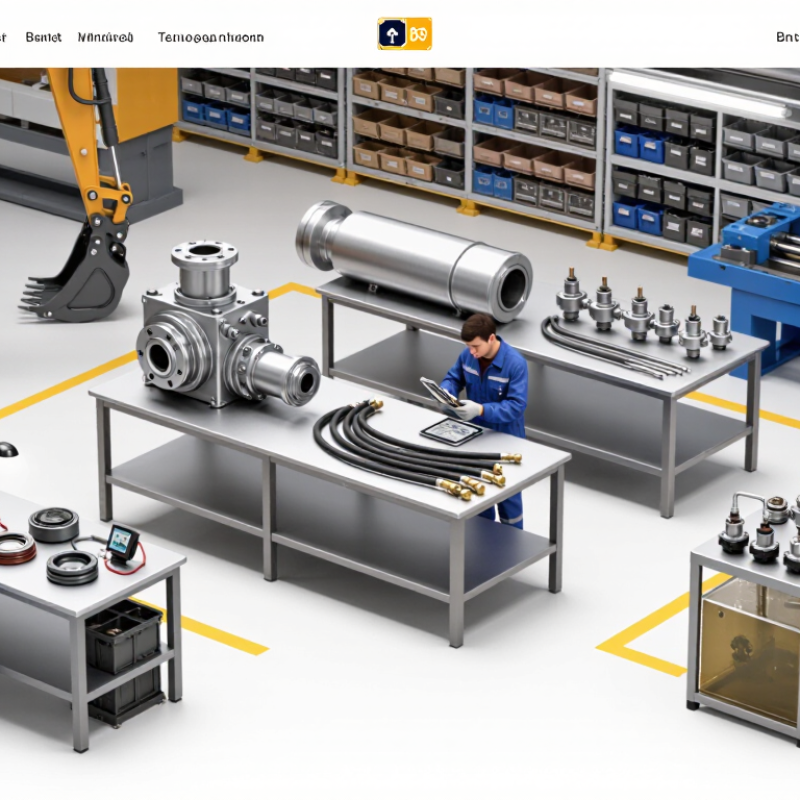
Reliable hydraulic equipment repair suppliers provide more than replacement parts. They inspect pumps, valves, motors, cylinders, hoses, and power units. Skilled technicians check pressure, flow, contamination, heat, and unusual vibration. They use gauges, test benches, and visual inspections to locate the real fault. A damaged seal may cause pressure loss, but the root problem could be misalignment or dirty fluid. Good suppliers explain their findings with photos, measurements, and clear repair options. They may offer component rebuilding, precision machining, hydraulic flushing, hose replacement, and on-site troubleshooting. Detailed service records also support safer maintenance decisions.
Tips: Ask for a written inspection report. Confirm testing standards and expected pressure ranges. Request a parts list before approval. Check whether the supplier tests repaired equipment under realistic loads. A short warranty can show confidence, but its conditions matter. Keep samples of contaminated fluid when possible. They may reveal wear that a quick inspection misses.
Experienced suppliers also provide preventive maintenance guidance. They can recommend filter intervals, oil analysis, cylinder checks, and operator training. Reliable communication matters when equipment supports production schedules. Response time, spare-part availability, and technician experience can affect downtime. No repair process is perfect. Even careful teams may overlook a hidden crack or recurring contamination source. Suppliers should acknowledge uncertainty and suggest follow-up inspections. This honest approach is more useful than promising permanent results. A practical repair partner focuses on measurable performance, safe procedures, and evidence-based decisions.
China Top Hydraulic Equipment Repair Suppliers? - What Hydraulic Equipment Repair Suppliers Provide
| Service Dimension | Typical Equipment Covered | What Suppliers Provide | Common Inspection or Repair Activities | Typical Deliverables | Key Selection Criteria |
|---|---|---|---|---|---|
| Hydraulic Pump Repair | Gear pumps Vane pumps Piston pumps | Disassembly, cleaning, wear assessment, replacement of damaged internal parts, reassembly, and performance testing. | Housing condition, shaft wear, bearing condition, port damage, leakage, pressure output, and flow performance. | Inspection report, repair recommendation, replaced-parts list, test results, and return-to-service guidance. | Testing capability, availability of compatible components, contamination-control procedures, and technician experience. |
| Hydraulic Motor Repair | Orbital motors Gear motors Piston motors | Motor diagnosis, internal-part replacement, seal renewal, torque testing, and rotation-performance verification. | Case leakage, shaft and spline wear, bearing condition, displacement accuracy, operating torque, and abnormal noise. | Condition assessment, repair scope, dimensional records, test certificate, and recommended operating limits. | Ability to test under load, measurement accuracy, parts traceability, and documented repair procedures. |
| Hydraulic Cylinder Repair | Tie-rod cylinders Welded cylinders Telescopic cylinders | Rod polishing or replacement, tube inspection, seal-kit replacement, gland servicing, and cylinder reassembly. | Rod straightness, chrome condition, tube bore, piston wear, seal damage, gland threads, and internal corrosion. | Dimensional inspection, pressure-test record, seal specification, replaced-component details, and maintenance advice. | Precision machining, pressure-testing equipment, seal compatibility, surface-finish control, and corrosion protection. |
| Valve Repair and Testing | Directional valves Relief valves Flow-control valves Proportional valves | Cleaning, spool and seat inspection, seal replacement, spring checks, adjustment, calibration, and functional testing. | Internal leakage, cracking pressure, response behavior, spool movement, contamination, coil operation, and pressure stability. | Calibration record, test results, adjustment settings, parts replaced, and installation recommendations. | Calibrated test benches, clean-room or controlled-cleaning practices, electronic testing capability, and documentation quality. |
| Hydraulic Power Unit Service | Pump-motor units Reservoirs Manifolds Control blocks | System troubleshooting, pump and motor evaluation, reservoir cleaning, control-circuit checks, and functional recommissioning. | Pressure and flow performance, oil temperature, motor alignment, filter condition, suction restrictions, and control response. | System diagnosis, hydraulic schematic review, test readings, corrective-action plan, and commissioning report. | System-level troubleshooting, electrical-hydraulic integration skills, mobile service capability, and safety procedures. |
| Hose and Fitting Replacement | High-pressure hoses Adapters Quick couplings | Hose identification, replacement assembly, routing review, fitting installation, and leak testing. | Working-pressure suitability, bend radius, abrasion, fitting damage, hose aging, routing, and connection leakage. | Hose assembly details, pressure rating, connection specification, replacement date, and installation checklist. | Correct hose selection, crimping quality, cleanliness, pressure rating, and compliance with applicable safety practices. |
| Contamination Control | Hydraulic oil Filters Reservoirs Pipelines | Oil sampling, flushing, filter replacement, reservoir cleaning, and contamination-source investigation. | Particle count, water contamination, filter condition, fluid degradation, breather condition, and ingress points. | Fluid-analysis report, cleanliness assessment, flushing record, filter specification, and preventive-maintenance plan. | Cleanliness testing, suitable flushing equipment, fluid-handling controls, and knowledge of ISO 4406 reporting. |
| On-Site Troubleshooting | Industrial machinery Mobile equipment Production lines | Fault diagnosis, pressure and flow measurements, leak identification, component replacement, and restart assistance. | Pressure loss, overheating, slow movement, erratic operation, excessive noise, leakage, and control faults. | Service visit report, fault findings, measurement records, corrective actions, and follow-up recommendations. | Response coverage, technician safety training, portable test instruments, spare-parts access, and clear reporting. |
| Preventive Maintenance | Pumps Valves Cylinders Filtration systems | Scheduled inspections, oil and filter servicing, leakage checks, pressure verification, and component-life assessment. | Operating temperature, fluid level, vibration, pressure stability, hose condition, mounting security, and seal leakage. | Maintenance schedule, inspection checklist, service history, risk priorities, and recommended replacement intervals. | Condition-monitoring methods, maintenance planning, spare-parts recommendations, and ability to support recurring service. |
| Testing and Quality Documentation | Repaired assemblies Pressure circuits Complete systems | Functional testing, pressure testing, leakage verification, dimensional checks, and final quality review. | Rated pressure, flow rate, internal leakage, external leakage, temperature behavior, noise, and operating response. | Test certificate, inspection photographs, measurement data, repair history, and release approval. | Calibrated instruments, test-bench capacity, traceable records, defined acceptance criteria, and transparent reporting. |
| Spare Parts and Technical Support | Seal kits Bearings Valve elements Hose assemblies | Part identification, compatible replacement recommendations, sourcing support, installation guidance, and after-service assistance. | Part dimensions, material compatibility, pressure rating, temperature range, fluid compatibility, and interchangeability. | Parts list, technical datasheets, compatibility notes, installation instructions, and warranty terms where applicable. | Parts traceability, engineering support, availability, compatibility verification, and clarity of warranty conditions. |
Note: Service scope, testing methods, turnaround time, warranty coverage, and applicable standards vary according to equipment type, operating pressure, fluid, damage level, and the supplier’s facilities.
Related Posts
-
10 Best Hydraulic Equipment Repair Services Worldwide?
-
How to Choose Hydraulic Services in 2026?
-
China Best Hydraulic Services Supplier for Global Buyers?
-
Ultimate Guide to Choosing the Best Cylinder Repair Solutions for Your Needs
-

How to Maximize the Lifespan of Your Cylinder with Effective Repair Techniques
-
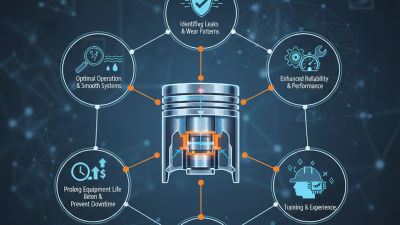
2026 Top Hydraulic Piston Repair Techniques for Efficient Maintenance?

We have over 30 years of experience in designing complete hydraulic systems, repairs and distribution of fluid power equipment and parts.
FOLLOW US ON :
Contact Details
Address:
4020 SE 45th CT.
Ocala, FL 34480
Phone No:
Email:
sales@cunninghamfluidpower.com