Top 5 Industrial Conveyor Belt Types for Efficient Production?
In the fast-paced world of manufacturing, efficiency is crucial. One key element that supports productivity is the Industrial Conveyor Belt. These belts play a vital role in transporting materials seamlessly across production lines. Choosing the right type of conveyor belt can significantly impact a company’s overall efficiency.
Different types of Industrial Conveyor Belts offer unique advantages. Some are designed for heavy loads, while others excel in precision and speed. For instance, modular belts provide flexibility and easy maintenance. Conversely, rubber belts are favored for their durability and grip. These choices may seem straightforward, yet they can affect operational costs and workflow.
As industries evolve, the demand for reliable and efficient conveyor systems increases. A deeper understanding of belt types can lead to better decision-making. Businesses must constantly evaluate their needs. What works today may not be suitable tomorrow. Therefore, staying informed on the latest conveyor belt technologies is essential for sustained success.
Understanding Industrial Conveyor Belts: A Brief Overview
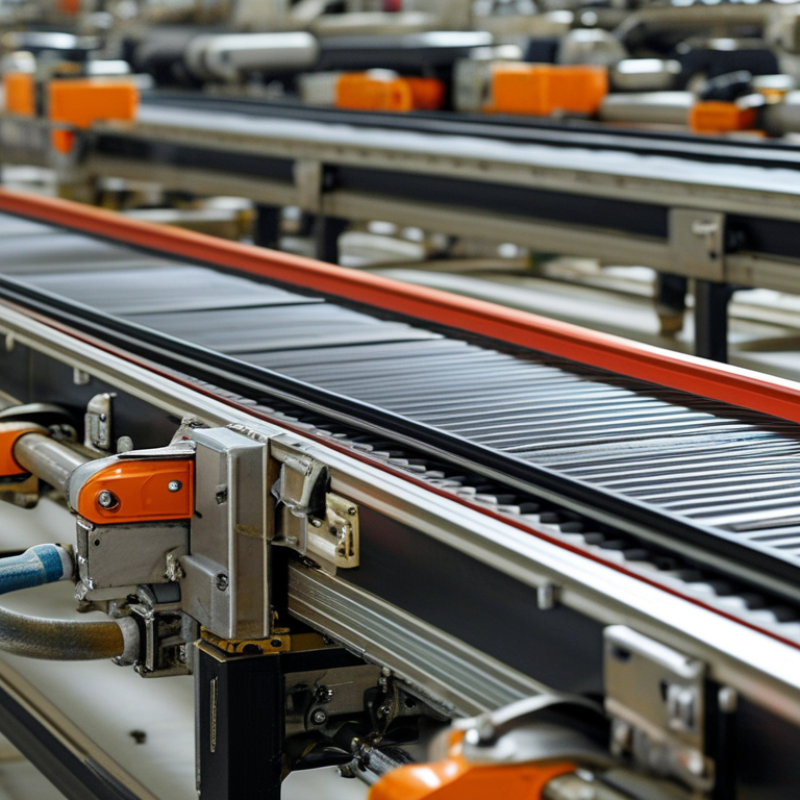
Industrial conveyor belts play a crucial role in modern manufacturing and logistics. Their primary function is to transport materials efficiently along production lines. Understanding the different types of belts is essential for optimizing operations. Various materials, such as rubber and fabric, influence a belt's performance. Each type has its specific use case, which can improve productivity when matched correctly.
Choosing the right conveyor belt is not always straightforward. There are key factors to consider, like load capacity and environmental conditions. For instance, some belts are more suited for wet environments, while others excel in high-temperature situations. It’s important to assess these conditions to avoid costly errors. Additionally, regular maintenance is necessary. A neglected belt can lead to unexpected downtime.
In the pursuit of efficiency, companies often overlook the variability in their belt systems. Standardization can streamline operations, but adapting to specific needs is equally important. Custom solutions may be beneficial, yet they demand careful calibration and assessment. Frequent evaluations of the belt's condition and performance can unveil hidden issues. This reflective approach ensures that production goals are consistently met.
Belt Materials: Key Factors Affecting Performance and Durability
When selecting conveyor belts, the material choice is crucial. Various materials exhibit different properties, impacting performance and longevity. For instance, rubber belts are resilient and suitable for heavy loads. They withstand abrasions well, making them ideal for industries like mining. However, they can degrade under UV light, leading to potential issues.
Polyester fabric belts offer flexibility and moderate resistance to wear. They are lightweight and can handle dynamic loads effectively. Yet, they might not perform well in extreme temperatures. Additionally, metal conveyor belts are often utilized in food processing. These belts are durable and easy to clean. However, they can be prone to rust if not maintained.
Each material has strengths and weaknesses. Choosing the right one requires an understanding of the environment and intended use. Limited knowledge can lead to mistakes in selection. For example, some users overlook the importance of temperature stability. Considering the specific demands of the operation is essential. Ultimately, careful evaluation of materials is vital for maximizing efficiency and durability in production.
Top 5 Industrial Conveyor Belt Types for Efficient Production
| Belt Type | Material | Load Capacity (kg/m²) | Temperature Range (°C) | Typical Applications |
| Rubber Conveyor Belts | Natural Rubber / Synthetic Rubber | 100 - 200 | -20 to 80 | Mining, Aggregates, Agriculture |
| PVC Conveyor Belts | Polyvinyl Chloride | 50 - 150 | -10 to 60 | Food Processing, Packaging, Airport Baggage Handling |
| Modular Plastic Belts | Plastic Polymer | 100 - 300 | 0 to 60 | Automotive, Electronics, Assembly Lines |
| Steel Belt | Stainless Steel | 200 - 500 | -50 to 400 | Metalworking, Recycling, High Temperature Processes |
| Fabric Conveyor Belts | Polyester / Nylon | 50 - 150 | -20 to 70 | Textile, Light Industries, Warehousing |
Top 5 Conveyor Belt Types: Features and Applications
When choosing the right conveyor belt, understanding their features and applications is crucial. Here are five common types that enhance production efficiency.
Plastic modular belts are versatile and easy to maintain. They can be configured for various workplace layouts. Ideal for food processing, they offer hygiene benefits. The interlocking design provides a stable surface for delicate items.
Steel belts are known for their strength and durability. They are perfect for heavy-duty applications. These belts can withstand extreme temperatures and abrasive materials. However, their weight can lead to installation challenges.
Fabric belts are lightweight and flexible. They are often used in light applications, such as packaging. The fabric material allows easy modifications, which can be a plus. Yet, they may lack the robustness needed for heavy products.
Rubber belts are popular for their excellent grip. They are suitable for moving bulk materials. While they offer good traction, they may wear out faster in harsh environments. Regular inspections can help mitigate this risk.
Tips: Consider the specific needs of your production line. Evaluating the materials handled can guide you in selecting the right type. Factor in maintenance and repair costs as an ongoing expense. Not all conveyor belts fit every situation, so choose wisely.
Comparative Analysis: Advantages of Each Belt Type for Production
When selecting the right industrial conveyor belt, understanding the advantages of various types is crucial. The five main types are flat belts, modular belts, multi-layer belts, wire mesh belts, and timing belts. Each offers unique benefits, tailored for specific production needs.
Flat belts are commonly used due to their simplicity and versatility. They work well for light to medium loads and can easily transport materials across short distances. However, they may struggle with heavier items, making them less suitable for certain applications.
Modular belts are made of interlocking pieces, providing flexibility and durability. Their ability to handle various loads makes them ideal for food processing. Despite their advantages, they can be more expensive and require careful maintenance.
Timing belts, on the other hand, are excellent for precision applications. They ensure synchronization of components in automated processes. Yet, their complexity can introduce challenges during installation and repairs.
Tips: Assess your production needs carefully before choosing a conveyor belt type. A thorough evaluation can prevent costly mistakes. Also, consider maintenance requirements for each option. Regular checks can enhance efficiency and prolong lifespan.
Exploring the right type can optimize production workflows. It's essential to reflect on past choices. Sometimes, what seems efficient may lead to unexpected issues down the line.
Top 5 Industrial Conveyor Belt Types for Efficient Production
This chart represents the production efficiency scores of the top 5 industrial conveyor belt types. A higher score indicates better performance and suitability for efficient production processes.
Maintenance Tips for Prolonging Conveyor Belt Lifespan
Conveyor belts are vital in various industries for maintaining efficient production lines. To ensure their longevity, regular maintenance is essential. Routine inspections help identify wear and potential failures. This proactive approach minimizes unexpected downtime.
Tips for effective maintenance include keeping the belts clean and free of debris. Dirt and dust can cause friction, leading to premature wear. Use a soft brush or cloth to remove contaminants. Regularly check for proper tension. If a belt is too loose or tight, it may lead to misalignment or slippage.
Additionally, lubricate parts as recommended. This reduces friction and extends the life of moving components. Keep records of maintenance activities. Documenting repairs and inspections builds a history that can improve reliability. Even minor adjustments can yield substantial improvements over time. Adjustments should be made based on detailed observations rather than guesswork.