2026 Top Hydraulic Power Unit Types for Global Buyers
Global buyers entering 2026 face a wider Hydraulic Power Unit market than ever before. Standard gear-pump units remain practical for compact machinery and moderate pressure. Vane-pump units offer smoother operation in many industrial applications. Piston-pump units support demanding loads, higher pressures, and precise hydraulic control. Electro-hydraulic packages add sensors, variable-speed drives, and remote monitoring. Each type solves a different problem.
Anthony Esposito, author of Fluid Power with Applications, wrote, “Hydraulic systems must be designed around the application, not around the component.” This principle still matters. A factory press may need a robust piston unit with strong cooling capacity. A mobile lift may benefit from a compact gear-pump package with simple maintenance access. Buyers should compare flow rate, pressure stability, duty cycle, noise, oil cleanliness, motor efficiency, and replacement-part availability. Certification and regional service support also deserve careful attention.
Small details matter.
A unit that fits the specification sheet may still fail in dusty workshops, cold ports, or unstable power networks. I have seen purchasing teams focus on purchase price and overlook filtration, heat management, and technician training. That approach can create expensive downtime later. It is also fair to admit that no universal ranking exists. Supplier data may appear complete, yet testing conditions can differ. This guide examines the leading Hydraulic Power Unit types for global buyers, using practical selection criteria rather than attractive claims. The best choice is not always the most powerful model. It is the unit that delivers dependable force, manageable operating cost, and measurable service value.
What Is a Hydraulic Power Unit and How Does It Work?
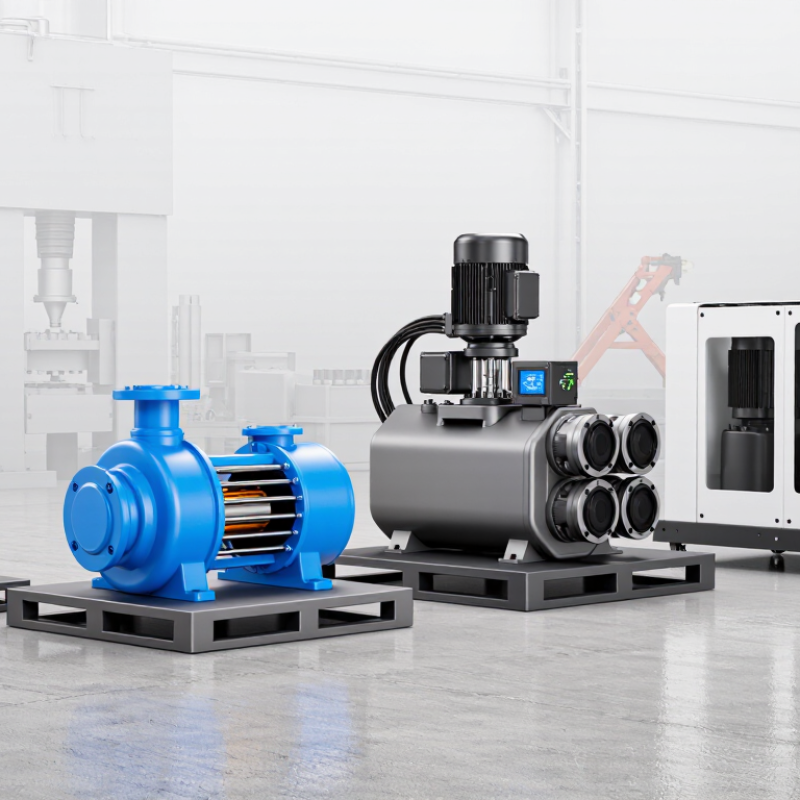
A hydraulic power unit, or HPU, converts electrical or engine power into controlled fluid power. Its main parts are a reservoir, pump, motor, valves, filters, and pressure controls. The pump draws oil from the tank and pushes it through a pressurized circuit. Directional valves then send flow to a cylinder or hydraulic motor. Pressure creates force, while flow determines movement speed. The reservoir also helps cool and settle contaminants.
Common HPU types include compact gear-pump units, vane-pump units, and high-pressure piston units. Gear pumps suit simple lifting and clamping tasks. Vane pumps usually deliver quieter operation. Piston pumps handle higher pressure and variable flow, but they demand cleaner oil and better maintenance. According to the International Energy Agency’s Energy Efficiency 2023 analysis, electric motor systems consume more than 40% of global electricity. That figure matters because an HPU’s motor, pump, and throttling losses affect operating costs.
Field selection should begin with required force, cycle time, duty cycle, and working pressure. A larger pump is not automatically better. It may increase heat, noise, and energy waste. The U.S. Department of Energy’s motor-system guidance also emphasizes correct sizing and efficient controls for pumping equipment. In practice, contamination remains an overlooked problem. One dirty filter can reduce valve response and damage expensive components. Variable-displacement piston units can save energy during changing loads, yet their purchase and service costs are higher. A simple rule can mislead. Real applications need measured flow, pressure, temperature, and standby time.
Key Hydraulic Power Unit Types for Different Industrial Applications
2026 Top Hydraulic Power Unit Types for Global Buyers
Hydraulic power units must match the machine, not merely the pressure rating.
Gear-pump units suit lifts, presses, and material-handling equipment. Their simple construction supports easier maintenance in dusty workshops. Vane-pump units offer quieter operation for packaging lines and light industrial automation. Variable-displacement piston units fit injection molding, metal forming, and mobile machinery. They reduce wasted flow during partial-load cycles. That matters where energy costs remain difficult to predict.
Electrohydraulic power units combine sensors, controllers, and hydraulic actuators. They support accurate positioning in robotics, test rigs, and factory automation. Compact AC units work well for intermittent duty, including dock levelers and scissor lifts. DC-powered units serve battery equipment, emergency systems, and remote platforms. The choice changes with duty cycle, reservoir size, ambient temperature, and contamination risk. Small details matter.
MarketsandMarkets estimated the global hydraulic equipment market at about USD 45 billion in 2024, with continued growth through 2029. Grand View Research also reports steady expansion, supported by construction, manufacturing, and material handling. These figures describe broad equipment markets, not power units alone. Buyers should treat them as directional evidence. In field evaluations, a correctly sized pump often outperforms a larger unit running inefficiently. Pressure spikes, oil cleanliness, and heat rejection still deserve careful testing. Some specifications look complete, but they may hide the real operating load.
How to Compare HPU Power, Pressure, Flow, and Control Systems
For global HPU buyers, comparison should begin with the working cycle, not the motor size. Hydraulic power is commonly estimated as pressure multiplied by flow, divided by 600 for kilowatts. A 210-bar system delivering 80 L/min needs about 28 kW before efficiency losses. Real selection requires additional margin for heat, startup loads, and aging components. Oversizing feels safe, but it often creates unnecessary energy waste.
The U.S. Department of Energy reports that industrial hydraulic systems can lose 50% or more of supplied energy through throttling, leakage, heat, and inefficient components. That figure is not universal. Still, it deserves attention. Compare nominal pressure with continuous pressure, then check peak pressure duration. Flow should be measured at operating temperature, because oil viscosity changes pump performance. A 100 L/min rating at laboratory conditions may disappoint on a hot production line. ISO 4413 also emphasizes pressure limitation, safe control, and risk-based system design.
Control architecture separates a basic HPU from a dependable one. On-off valves suit simple cycles, while proportional valves and variable-speed drives improve response and reduce wasted flow. Review sensor accuracy, fault feedback, emergency stopping, and compatibility with the machine controller. IEC 62443 guidance is increasingly relevant when connected control systems exchange production data. I have seen specifications focus heavily on pressure, while ignoring cooling capacity and filtration. That is a costly blind spot. Ask for measured flow, noise data, temperature rise, and efficiency curves, not only catalog figures. A spreadsheet helps. Field testing decides.
2026 Top Hydraulic Power Unit Types for Global Buyers
Typical comparison of HPU power, maximum working pressure, rated flow, and control architecture. Values represent common industrial selection ranges and should be verified against the machine duty cycle.
Compact DC HPU
Suitable for mobile equipment, lift platforms, tail lifts, and intermittent-duty systems. Usually uses simple solenoid valve control.
AC Motor HPU
A common choice for factory machinery and continuous-duty applications, typically using contactor, relay, or PLC-based control.
Servo HPU
Designed for precise speed, pressure, and position control with variable-speed drive and closed-loop feedback.
Diesel-Driven HPU
Used where high hydraulic output and independent operation are required, commonly with proportional or load-sensing control.
Top Hydraulic Power Unit Selection Factors for Global Buyers
Top Hydraulic Power Unit Selection Factors for Global Buyers
Selection starts with the duty cycle, not the catalog price.
Confirm required pressure, flow, response time, and operating hours under real load. A compact unit may overheat during repeated starts. Size matters. Grand View Research estimates the global hydraulic power unit market will expand at about 5.8% annually through 2030, increasing pressure to specify efficient, durable systems.
Energy use deserves closer attention.
The International Energy Agency identifies motor-driven systems as major industrial electricity users, so buyers should compare motor efficiency, pump displacement, standby losses, and control strategy. Variable-speed operation can reduce wasted flow, but savings depend on load patterns. Do not guess. Record pressure and temperature during a representative shift.
Environmental conditions change the specification.
Check fluid viscosity at local temperatures, reservoir breathing, filtration ratings, corrosion protection, and enclosure requirements. Global buyers should also verify electrical frequency, supply voltage, documentation, and conformity with ISO 4413 safety principles. A practical mistake is treating certification as a paperwork exercise. Installation quality still matters. Misaligned couplings, undersized hoses, and contaminated oil can shorten service life quickly. The MarketsandMarkets Hydraulic Power Unit Market report projects continued growth through 2028, yet its broad market view cannot replace site-specific testing. That limitation deserves reflection before approval.
Installation, Maintenance, Safety, and Sourcing Considerations
Hydraulic power unit selection starts with the working cycle, not the catalog.
Gear pumps suit compact systems with moderate pressure and frequent operation. Vane pumps run quietly and support steady industrial movement. Piston pumps handle high pressure, demanding cycles, and tighter efficiency targets. Confirm required flow, pressure, motor voltage, oil temperature, and duty cycle before ordering.
Installation quality affects service life immediately.
Mount the unit on a rigid, level surface with enough access for filter changes. Keep suction lines short, clean, and correctly sized to prevent cavitation. Align couplings carefully, then check hose routing for sharp bends or rubbing points. Fill the reservoir through a filtered opening. A clean reservoir matters.
Maintenance records should include oil condition, filter changes, pressure readings, and unusual noise.
Inspect seals, fittings, hoses, and electrical connections during scheduled shutdowns. Replace contaminated oil instead of simply adding fresh fluid. Do not guess. Safety requires lockout procedures, pressure release, guarding, and clearly marked emergency stops. A relief valve must match the system rating and remain accessible for testing. Hot oil can burn skin, even after the motor stops.
Global buyers should request drawings, wiring diagrams, spare-part lists, test reports, and material details.
Verify voltage, regional documentation, packaging strength, and after-sales response before payment. Ask whether the supplier can provide factory pressure testing and contamination-control records. Buyers sometimes focus only on price. That mistake hurts. A cheaper unit may need unusual seals, delayed parts, or difficult field modifications. Allow time for inspection before shipment; rushed acceptance often hides small problems.